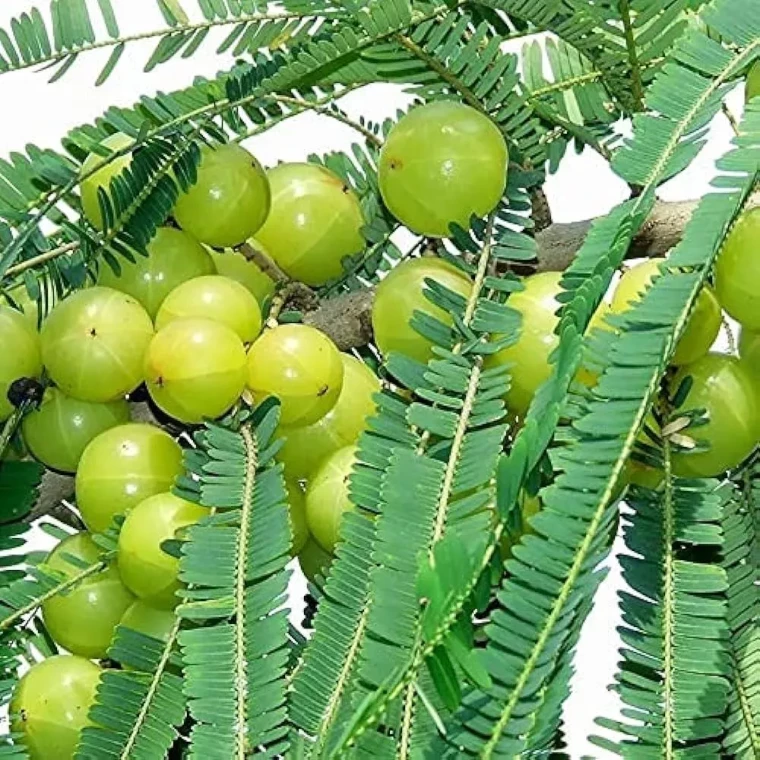

Maharashtra, the vibrant heart of India, boasts a rich agricultural heritage. However, ensuring long-term food security necessitates sustainable practices. Here's where planting these four key native plant species - Anacardium occidentale (Cashew), Syzygium cumini (Jamun), Annona reticulata (Bullock's heart), and Phyllanthus emblica (Amla) - in plantations that avoid synthetic fertilizers can play a transformative role.
The Power of Sustainable Plantations:
Establishing plantations that forgo synthetic fertilizers offers several advantages:
- Preserving Soil Health: By relying on natural methods like compost and cover crops, these plantations promote soil fertility and microbial activity, leading to long-term productivity.
- Reduced Environmental Impact: Eliminating synthetic fertilizers minimizes pollution of water resources and prevents harmful residues from entering the food chain.
- Promoting Biodiversity: Sustainable practices encourage a healthy ecosystem, attracting beneficial insects and pollinators which contribute to increased crop yields.
Maharashtra's Natural Treasures:
These four indigenous species are well-suited for plantations in Maharashtra's diverse climate, even without relying on chemical fertilizers:
- Cashew (Anacardium occidentale): This drought-resistant evergreen thrives in Maharashtra's semi-arid regions. Cashew trees require minimal water and can be nurtured through techniques like green manure for nitrogen fixation.
- Jamun (Syzygium cumini): A source of delicious and nutritious fruit, Jamun trees are well-adapted to Maharashtra's climate. They are known for their soil-enriching properties, benefitting other crops grown in the plantation.
- Bullock's heart (Annona reticulata): This fast-growing fruit tree thrives in Maharashtra's warmer regions. Bullock's heart is relatively pest and disease resistant and can benefit from natural pest control methods like companion planting.
- Amla (Phyllanthus emblica): This revered medicinal plant requires minimal care and is well-suited to Maharashtra's varied climate. Composting techniques can provide necessary nutrients for Amla trees.
Benefits for Food Security:
Planting these sustainable powerhouses offers a multitude of benefits for Maharashtra's food security:
- Enhanced Crop Diversity: Integrating these species into plantations promotes crop diversification, reducing reliance on a single crop and creating a more resilient food system.
- Nutritional Security: These fruits are rich in essential vitamins, minerals, and antioxidants, contributing to a more balanced and nutritious diet for local communities.
- Economic Sustainability: Sustainable plantations can create new income opportunities for farmers, particularly with high-value crops like Cashew and Amla.
Commenti (0)
Lascia un commento