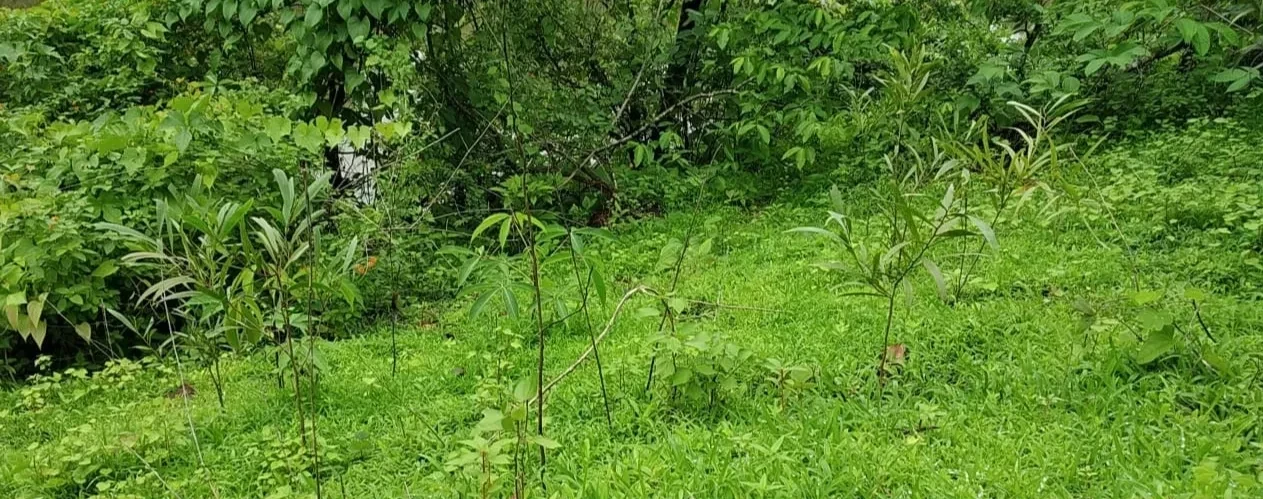

In the face of escalating urban pollution, the importance of green spaces and tree planting in cities has never been more critical. Urban areas, with their dense populations and extensive infrastructure, are particularly susceptible to air and water pollution, leading to adverse health effects and environmental degradation. However, integrating trees into urban landscapes offers a powerful solution to combat these challenges.
The benefits of trees
Trees act as natural air filters. They absorb harmful pollutants, including carbon dioxide, sulphur dioxide, and nitrogen oxides, while releasing oxygen through the process of photosynthesis. Research indicates that urban trees can significantly reduce the concentration of particulate matter in the air—tiny particles that can penetrate deep into the lungs and cause respiratory issues. Moreover, urban greenery can mitigate the urban heat island effect, where city areas become significantly warmer than their rural counterparts due to human activities and concrete structures. By providing shade and releasing moisture into the air, trees help lower ambient temperatures, reducing the need for air conditioning and consequently decreasing energy consumption and associated emissions.
Trees also play a crucial role in improving water quality. Their root systems absorb rainwater, which helps recharge groundwater supplies and reduces surface runoff, thereby decreasing the risk of flooding. Additionally, trees filter pollutants from rainwater before they enter the groundwater system, promoting healthier water quality for urban ecosystems and human consumption. In regions where heavy rainfall can lead to waterlogging and soil erosion, strategically planted trees can stabilize the soil and help manage stormwater effectively. This not only protects urban infrastructure but also preserves vital ecosystems within the city.
Urban tree planting fosters biodiversity by providing habitats for various species, including birds, insects, and small mammals. Green spaces in cities can serve as critical refuges for wildlife, helping to maintain ecological balance even amid urban development. Promoting native tree species in urban planting initiatives further enhances biodiversity, as these species are better suited to the local environment and support the unique wildlife of the area.
Beyond environmental impacts, urban greenery has significant social and economic benefits. Green spaces improve the quality of life for residents by providing areas for recreation, relaxation, and community gathering. Moreover, engaging communities in tree planting initiatives can create job opportunities and foster a sense of ownership and responsibility toward local environments. As citizens become more involved in caring for their urban green spaces, they develop a deeper connection to their surroundings, promoting a culture of sustainability.
A Path Forward
As urbanization continues to accelerate, the need for effective strategies to combat pollution and enhance liveability in cities becomes increasingly urgent. Our tree planting project is a proactive response to this challenge, aiming to transform urban spaces into greener, healthier environments. By engaging local communities in planting native trees, we not only contribute to mitigating pollution but also enhance biodiversity and improve the overall quality of life for residents.
Ultimately, fostering a culture of tree planting not only addresses immediate environmental concerns but also paves the way for a sustainable urban future. As we recognize the intrinsic value of trees in our cities, we take meaningful steps toward creating healthier, greener, and more resilient urban environments for generations to come.
Bottom of Form
Commenti (0)
Lascia un commento