
Preservation of Mt. Elgon Ecosystem
 Uganda
79.2 Qualitätsbewertung
Our project works with over 54k local farmers in the Mount Elgon region to grow trees and build sustainable livelihoods. Uganda has lost at least 12% of its tree cover since 2001, threatening both the environment and local communities. By focusing on forest restoration and reducing the need for logging and unsustainable agriculture, we work to reverse this trend and protect the land for future generations.
Schnell wachsende Art mit düngender Wirkung
Diese Bäume sind widerstandsfähig und leicht anzubauen. Sie werden häufig in großer Zahl angepflanzt und bilden das Fundament eines Plantagensystems.
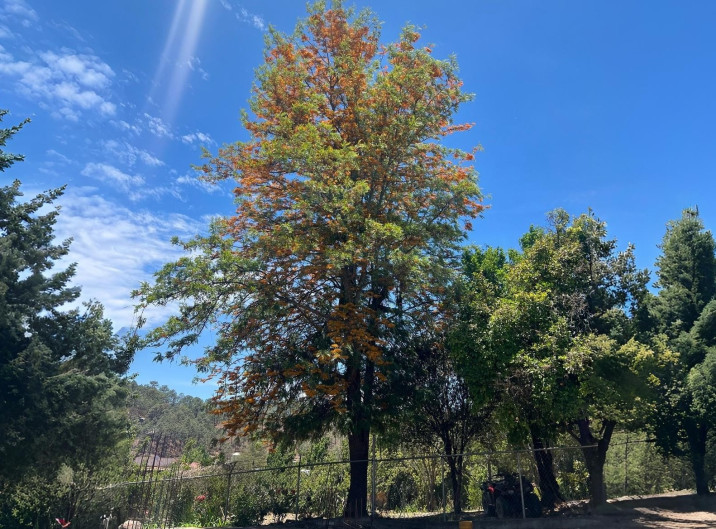
Grevillea robusta
Silky Oak
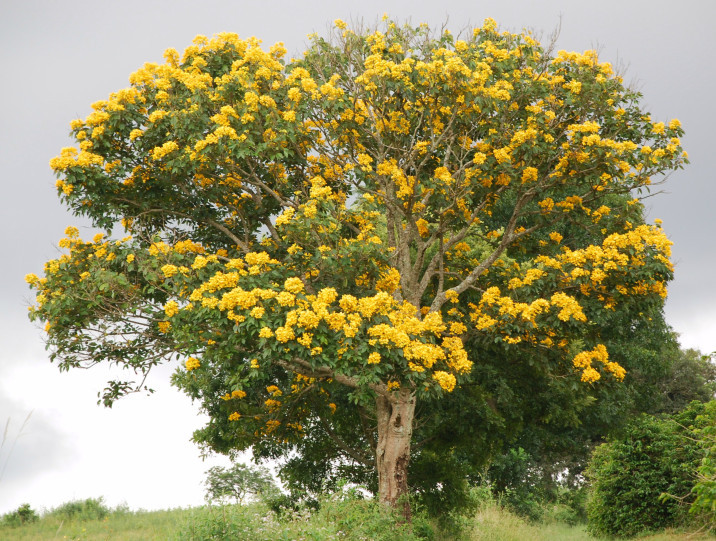
Markhamia lutea
Markamea
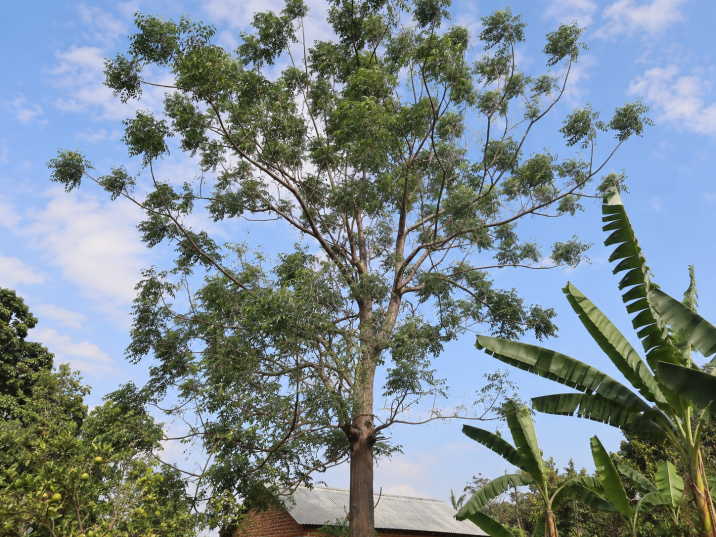
Melia volkensii
Melia
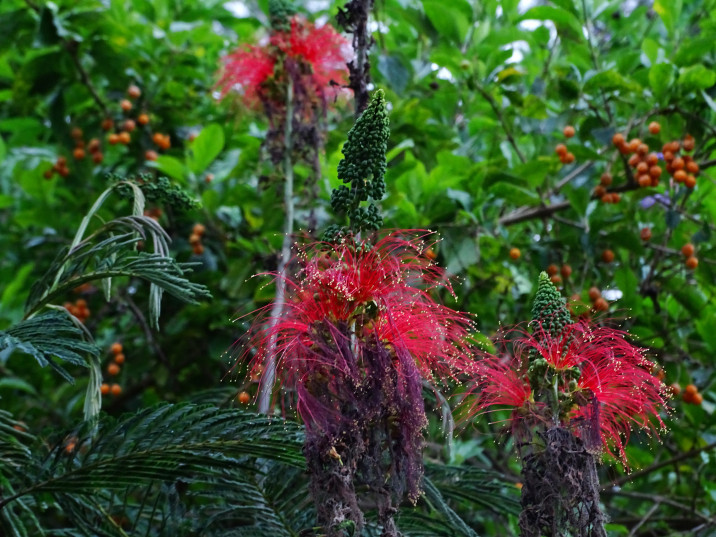
Calliandra calothyrsus
Red Calliandra
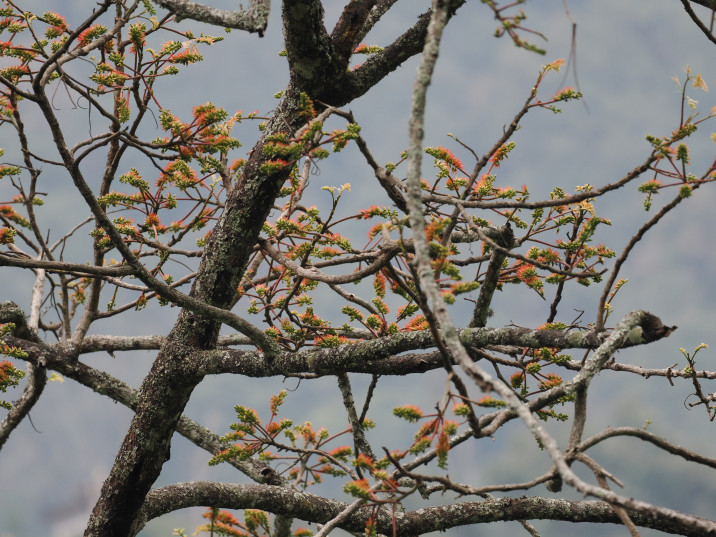
Acrocarpus fraxinifolius
Shingle Tree
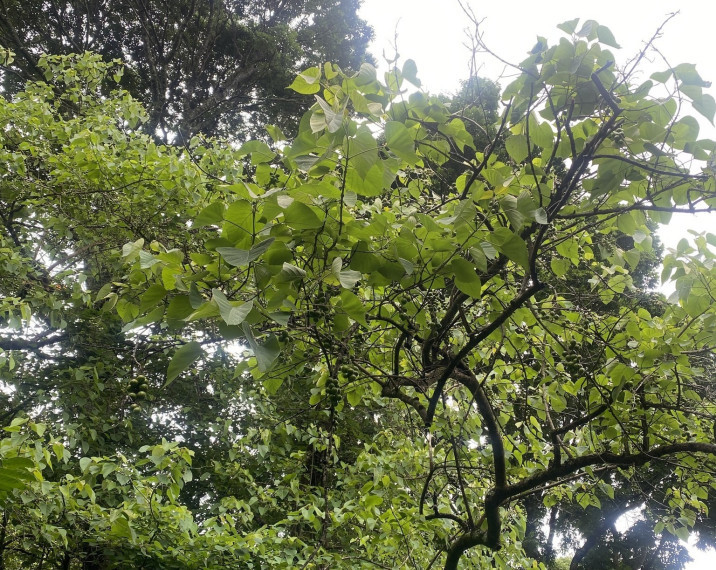
Gmelina arborea
Gmelina
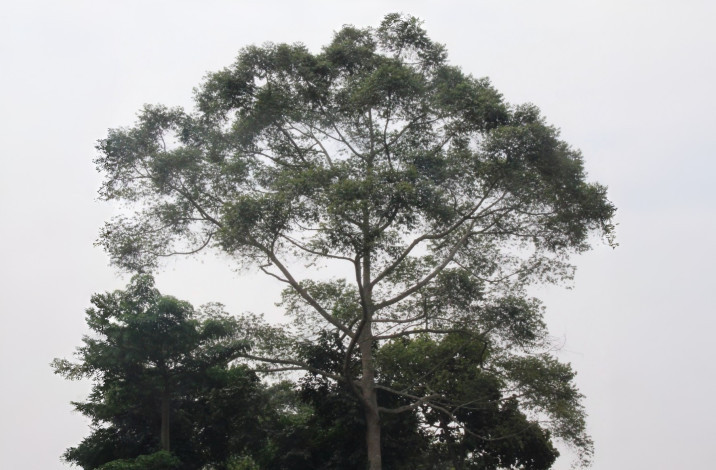
Maesopsis eminii
African mahogany
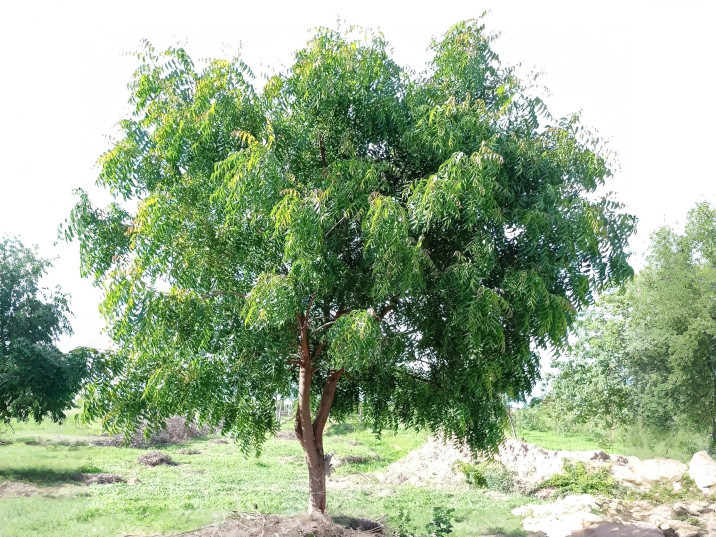
Azadirachta indica
Neem
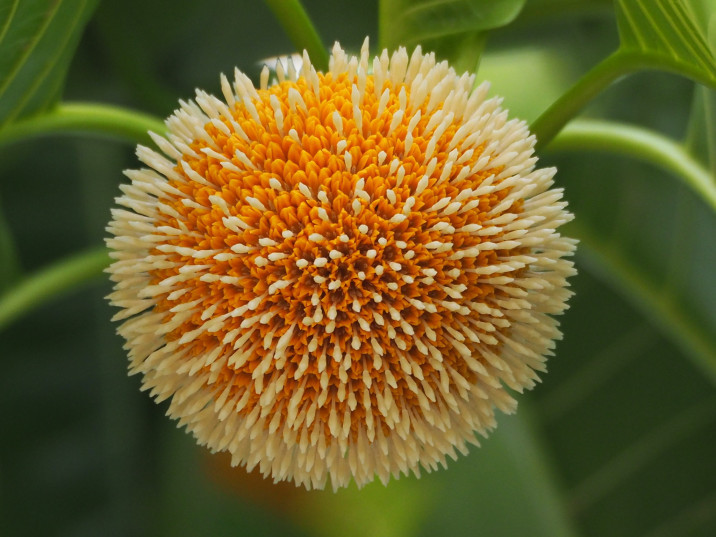
Neolamarckia cadamba
Bathdavia
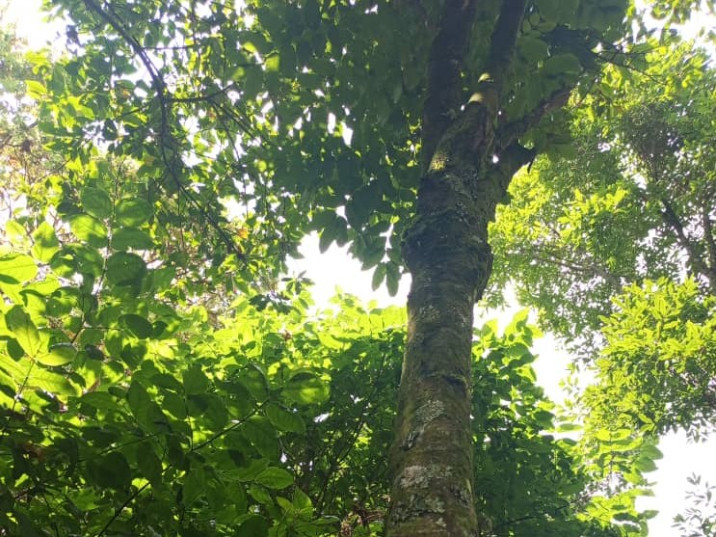
Fagaropsis angolensis
Cape Mahogany
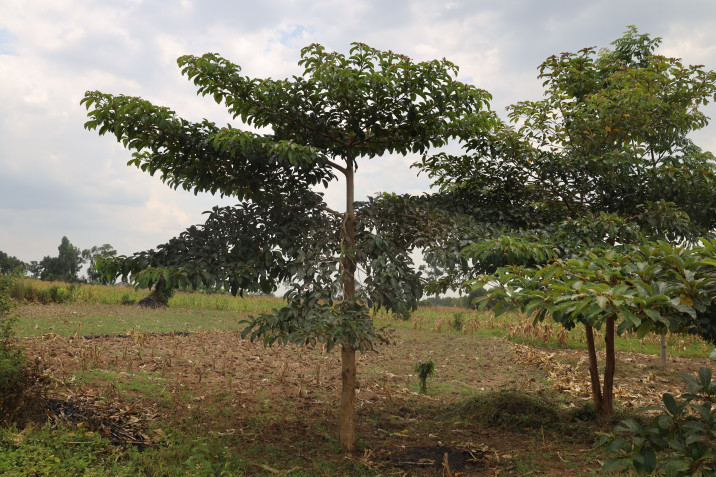
Terminalia superba
Limba or African Limba
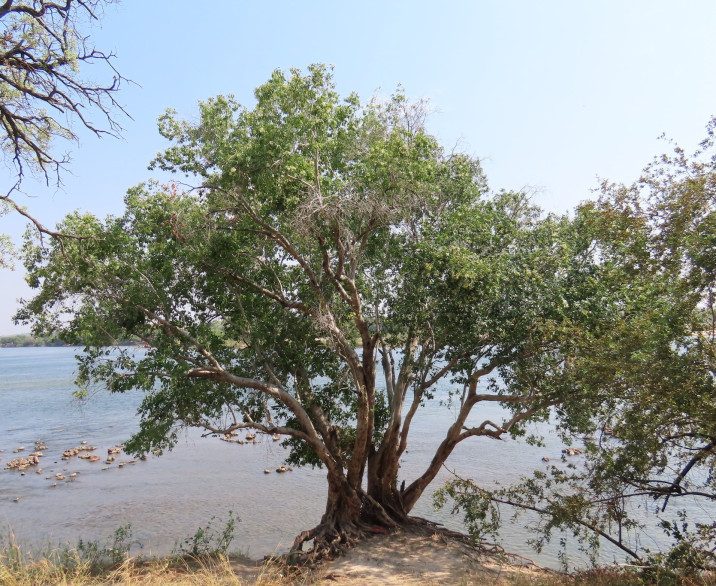
Syzygium guineense
Woodland water berry
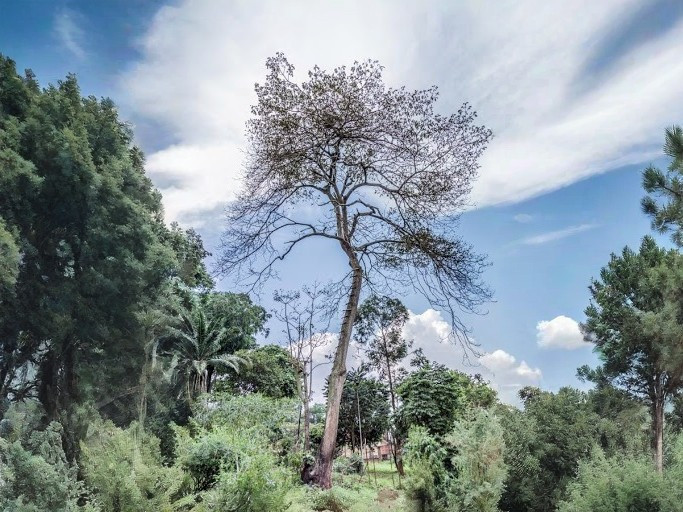
Cordia millenii
West African cordia
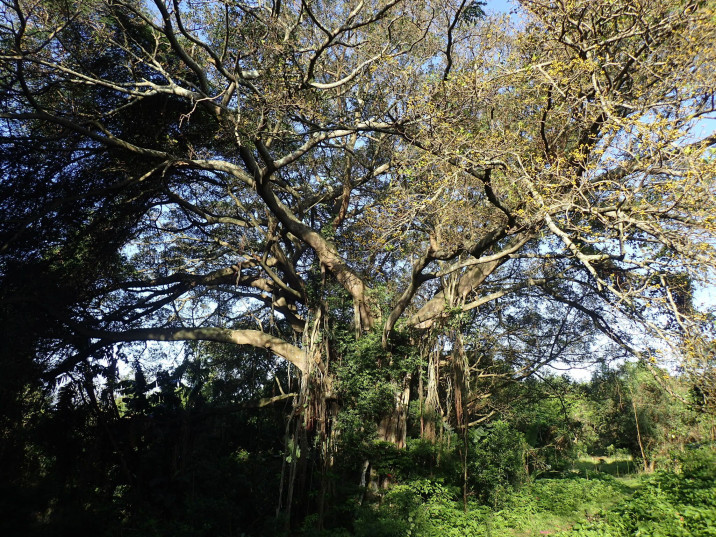
Ficus natalensis
Natal fig
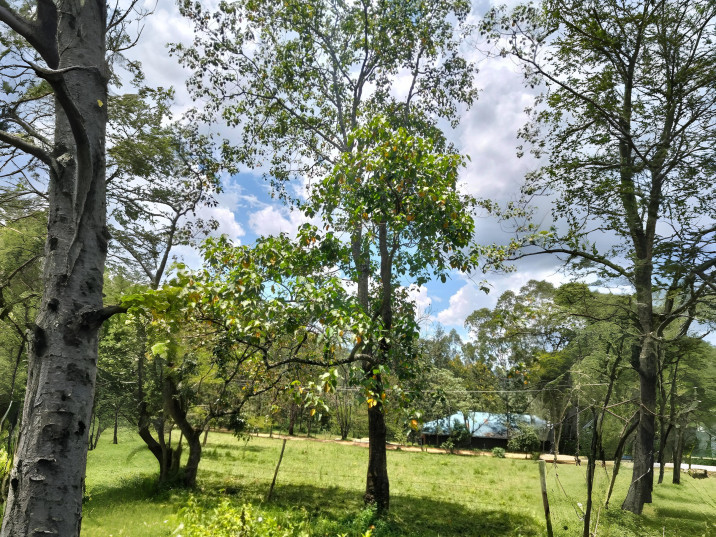
Croton macrostachyus
Woodland croton
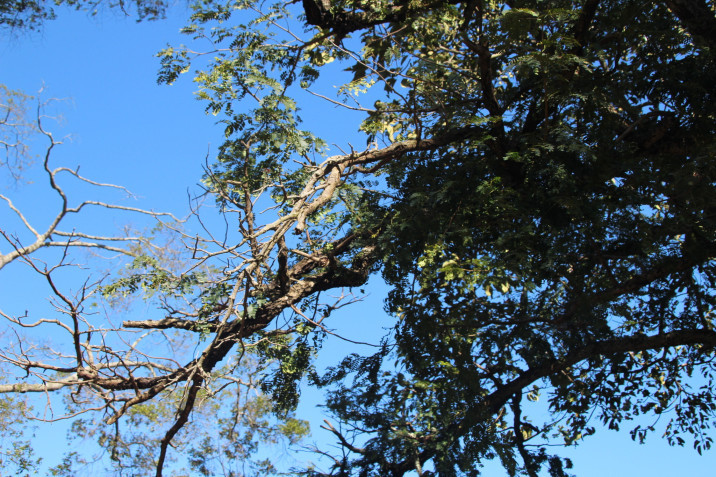
Albizia coriaria
Mugavu (Swahili)
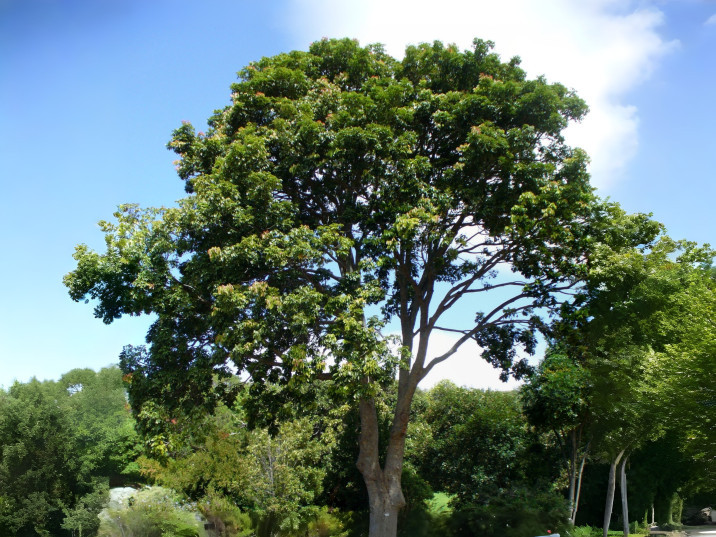
Khaya anthotheca
East African Mahogany
Obstbäume und medizinisch nutzbare Arten
Diese Bäume tragen köstliche Früchte oder liefern Inhaltsstoffe für kosmetische oder medizinische Zwecke.
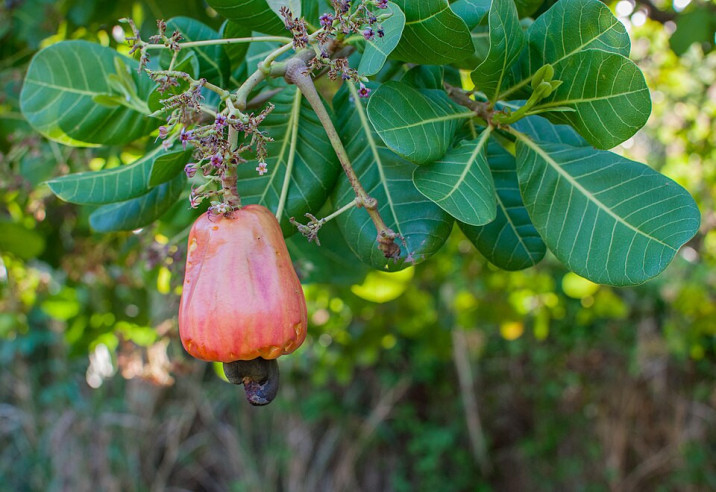
Anacardium occidentale
Cashew
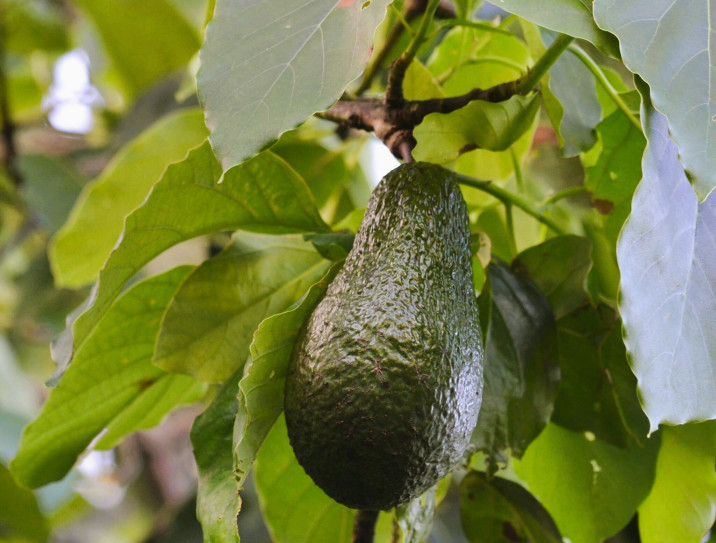
Persea americana
Avocado
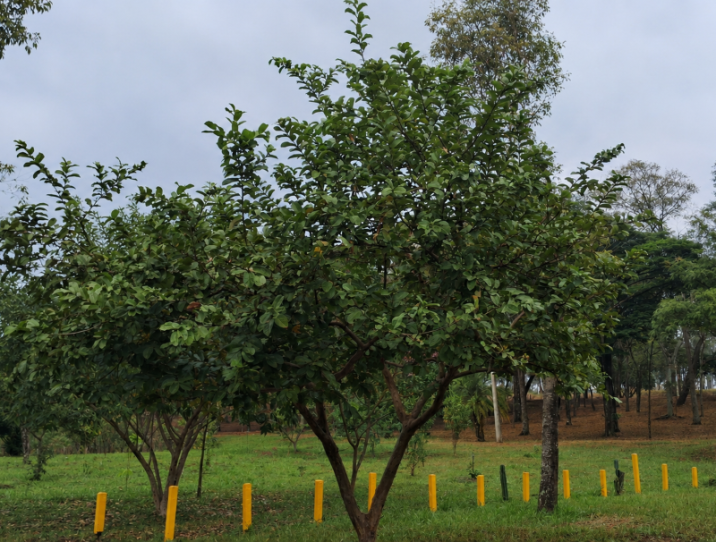
Psidium guajava
Guava
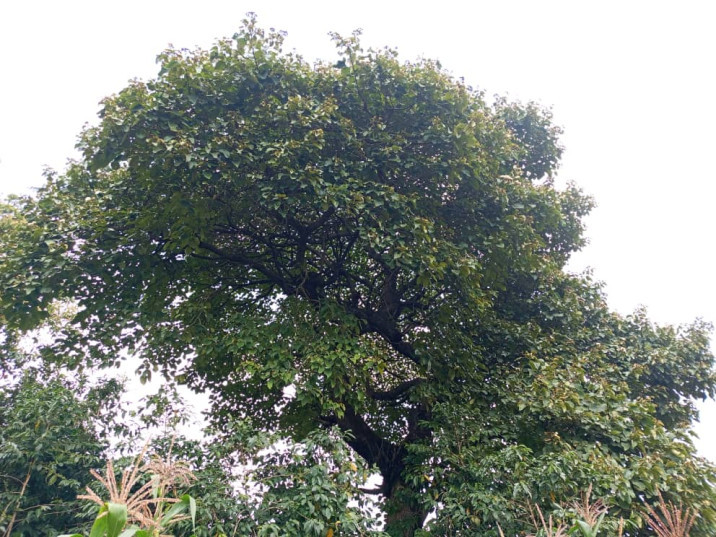
Cordia africana
Large-leaved Cordia
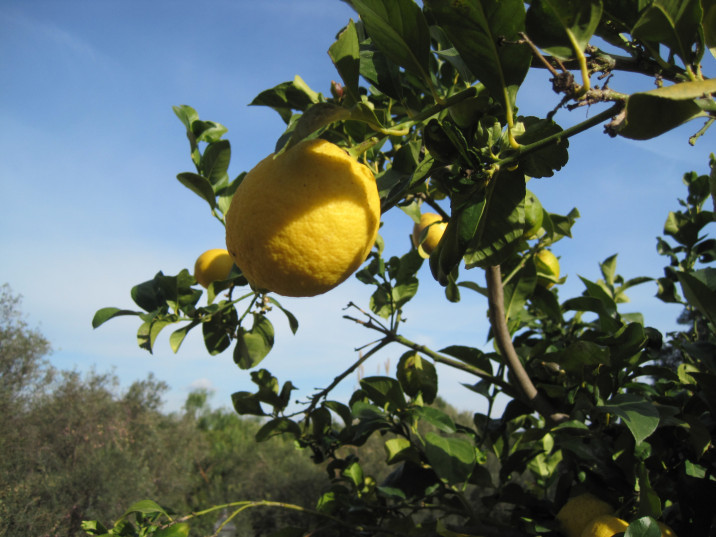
Citrus limon
Lemon
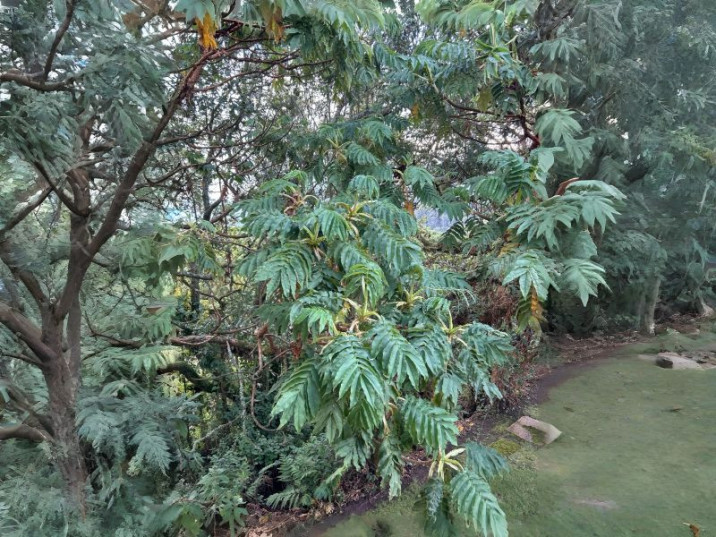
Hagenia abyssinica
African redwood
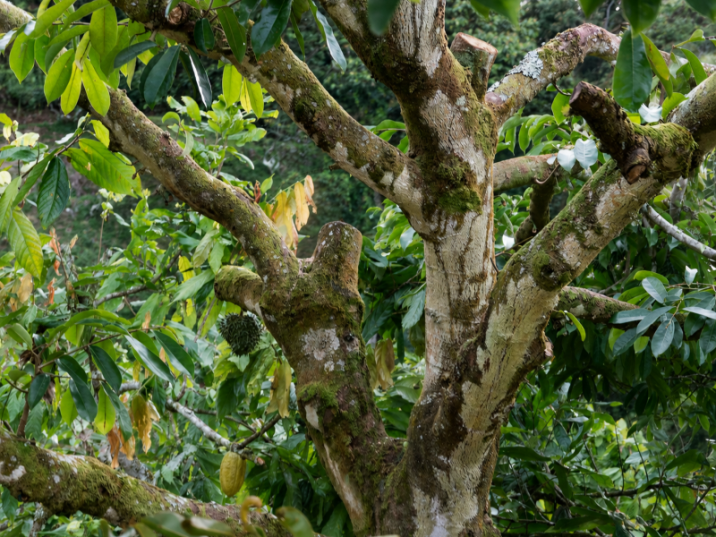
Annona muricata
Soursop
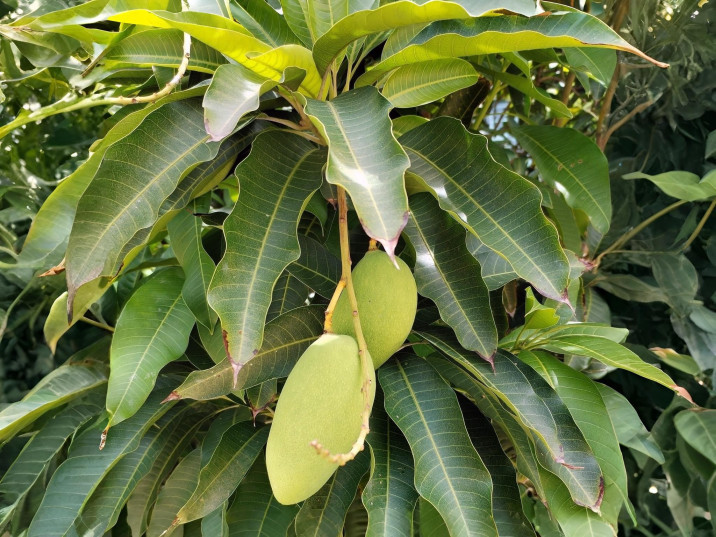
Mangifera indica
Mango tree
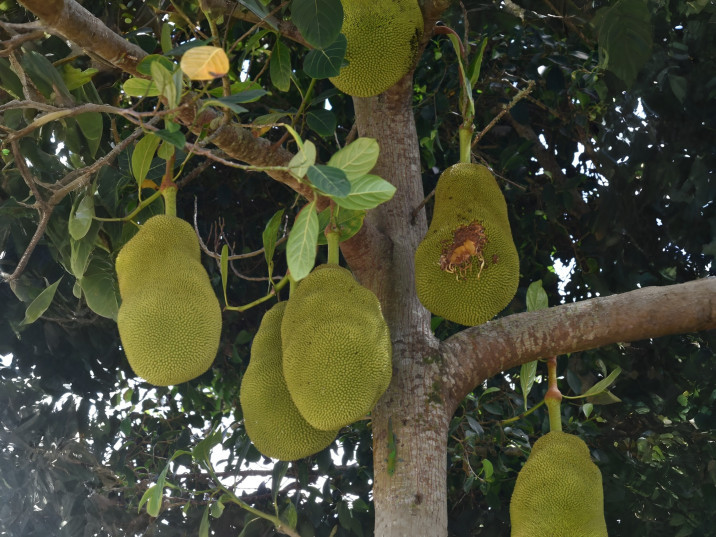
Artocarpus heterophyllus
Jackfruit
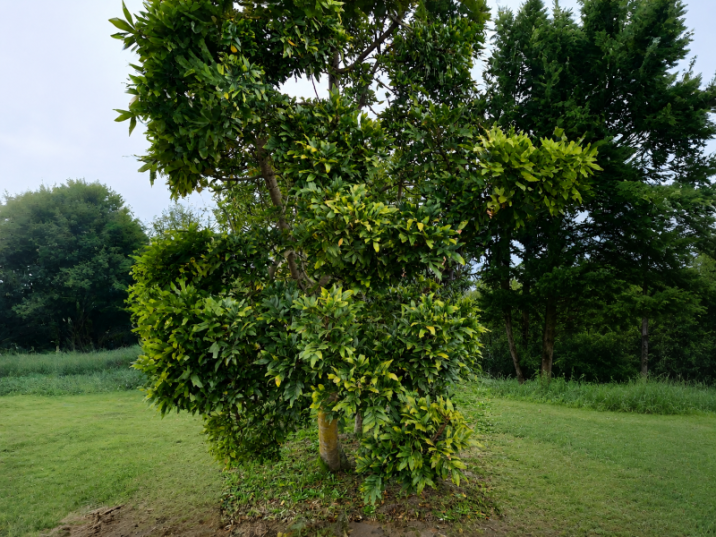
Ekebergia capensis
Cape ash
Seltene und außergewöhnliche Arten
Einige Bäume beeindrucken allein durch ihre Größe oder Langlebigkeit, während bei anderen ihr innerer Kampf gegen existenzielle Bedrohungen ihren besonderen Reiz ausmacht.
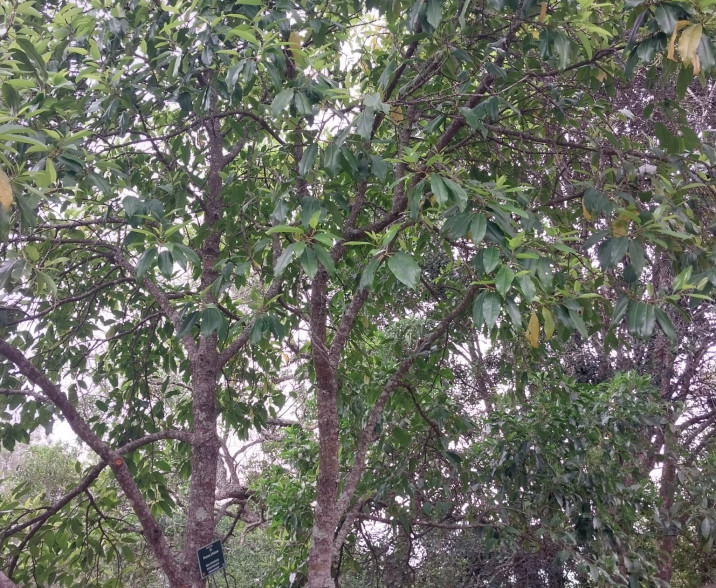
Prunus africana
African cherry
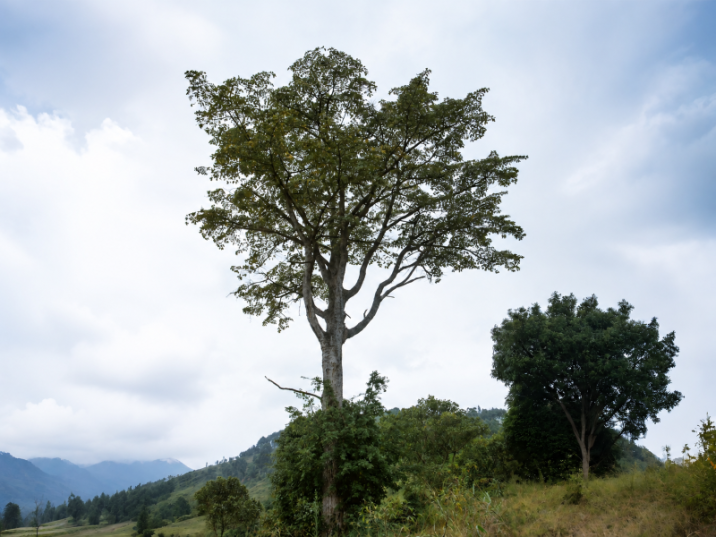
Milicia excelsa
African Teak
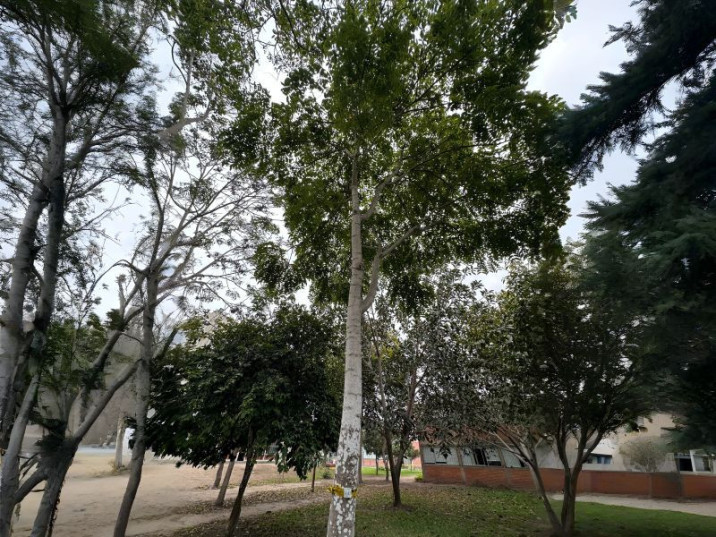
Olea welwitschii
African olive
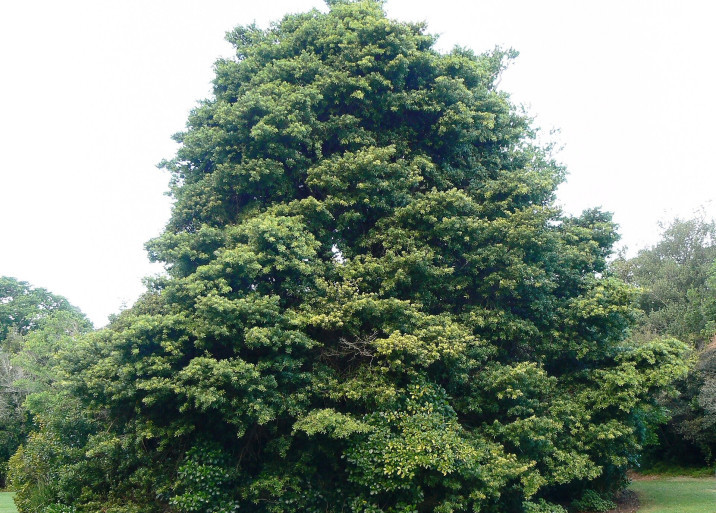
Podocarpus milanjianus
East African Yellow-wood
Mehrwertsteuer wird beim Auschecken hinzugefügt, wenn zutreffend