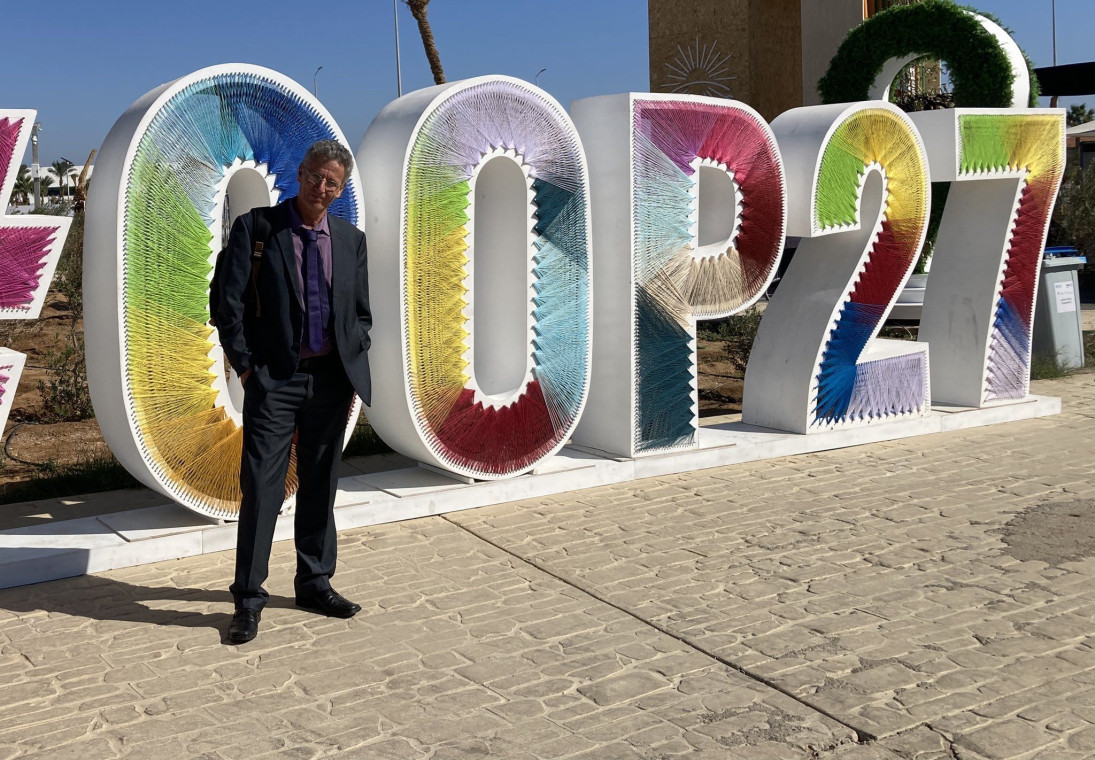

Just returned from COP27 where the main topic was 'Loss and Damage'.
This debate is about how (and how much) the rich developed world should compensate the poor developing world for the climatic destruction they are now facing, due to our current and historical (or legacy) carbon emissions. In a cost of living crisis and with the horrendous situation in Ukraine it is very hard for Northern politicians to sell this kind of expensive deal to their respective electorates (if they have them) but if we consider the problem from a slightly different perspective, then we should be able to see that it is only in our interests to support those communities in the South through the climatic maelstrom that we have thrust upon them.
Our project in Kenya has been a part of the wonderful Tree-Nation ecosystem for nearly a decade and in that time alone we have seen dramatic changes in the weather patterns affecting East Africa. The seasonal rains just don't come as regularly as they used to and when they do arrive, they now come with increasing ferocity. It is a pattern of drought and flood rather than one of reliable rainfall. Because of this, the community of Boré that we support, in common with much of the wider region, has not been able to bring in a harvest of maize for the last 4 years.

Maize crop damaged by flooding
The people in Boré don't understand why their weather is changing but they know 100% that it is. At 74, Stephen Ngumbao is one of the oldest members of the community - his memory goes back a long way and he says, "We used to get maize every year but now most years we don't have enough rain anymore".

We helped Stephen install main water at his home to irrigate his vegetable plot and his trees
Maize is full of carbohydrates to fill the kid's stomachs but as you can see, it is a crop that is particularly vulnerable to these changing weather patterns. If the rains don't come at just the right time - the crop is lost. So with help from Tree-Nation we've been encouraging farmers like Stephen to plant food yielding trees like mango, moringa and cashew. These tree species can cope very well with drought and unlike vegetable crops, they only need to be planted the once to yield a nutritional harvest for many years.

Mike Mranja shows off one of his ripe mangoes
Mike's mango tree is only 3 and half years old. It has grown so fast because of its tropical location right by the Equator, where there is no winter, so every single day is a growing day. Its doing a fantastic carbon absorbtion job for all of us and is already chock-a-block full of the 'bad stuff' whilst turning some of it into food for Mike's family.
This tree is really just a direct example of 'Loss and Damage' in action. Why? Because our project is funded almost entirely from kind people in the developed world (like the reader )who aren't waiting for someone else to fix the problem for them but are taking responsibility themselves......
Thanks so much.
Comments (0)
Leave a comment