
Along Kenya's 600-kilometer coastline, mangroves have quietly done the work of a seawall, a nursery, and a climate buffer all at once. In Lamu, Kilifi, and Kwale, these tangled forests have absorbed storm surges, held sediment in place, and sheltered the fish that feed coastal households for generations. Decades of logging, fuelwood extraction, and coastal development have worn that protection thin. Now, Tree-Nation is stepping into these waters with a new kind of project, one where our team leads the work on the ground.
The Kenya Mangroves Restoration is a Tree-Nation Native initiative developed in partnership with the Kenya Forest Service (KFS) and the coastal communities who live alongside these ecosystems. The project feeds directly into Kenya's national commitment to plant 15 billion trees by 2032, a program that sets aside 1.8 billion of those trees for mangroves alone. Working with KFS, our team identified and mapped restoration sites that align with national conservation priorities, then built a plan around the people who know these shores best.
What makes this project distinct within our portfolio is the depth of our hands-on involvement. Rather than supporting implementation from a distance, Tree-Nation's team is directly leading the on-the-ground work here, guiding site diagnosis, planting, and monitoring in close coordination with KFS and local communities who are organized in the form of Community Forest Associations (CFAs). It is a deeper, more embedded model of restoration, one built to test what direct, sustained field leadership can achieve when paired with community expertise.
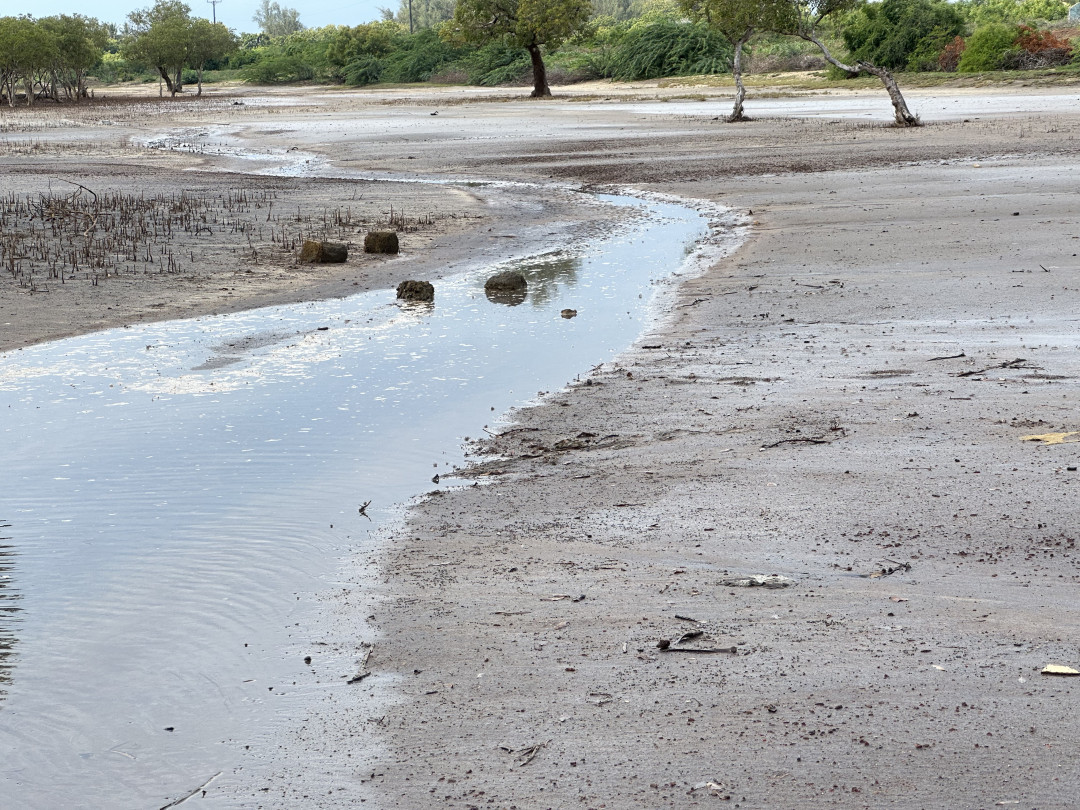
That model is starting small and deliberate. Before scaling toward the millions of trees the wider program envisions, Tree-Nation is launching a pilot at Marereni, a stretch of coastline where unsustainable logging and fuelwood extraction have degraded once-healthy mangrove stands. The pilot targets 450,000 trees, a scale large enough to generate real ecological impact and small enough to test the approach carefully before expanding it elsewhere along the coast.
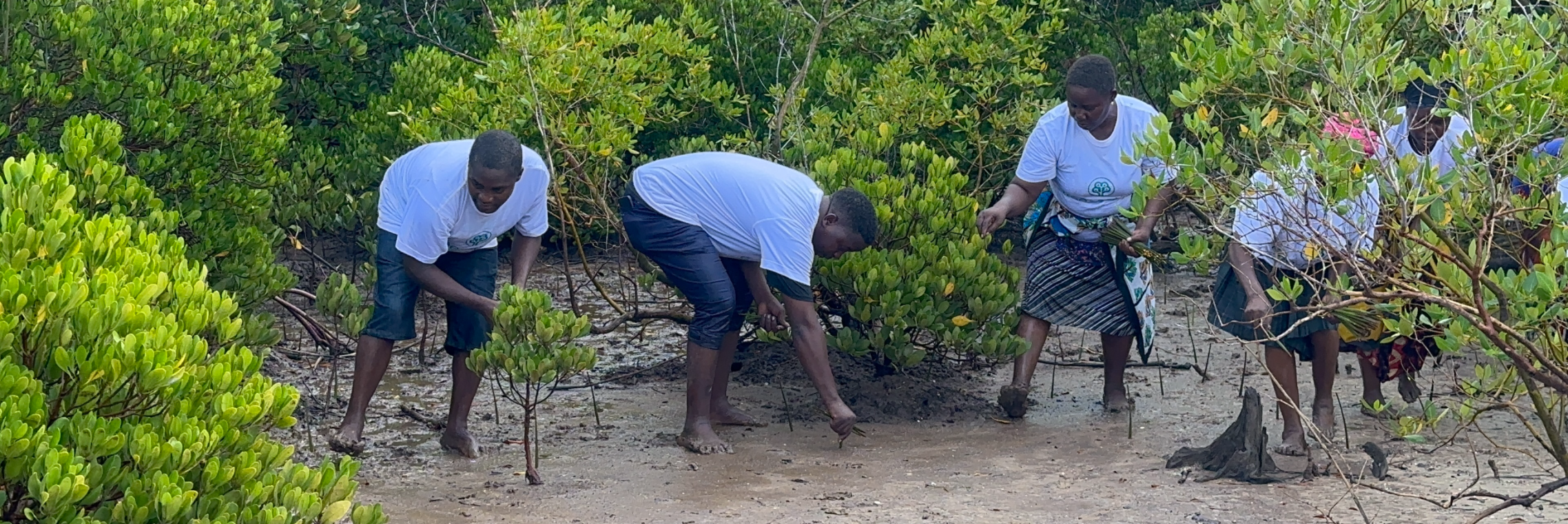
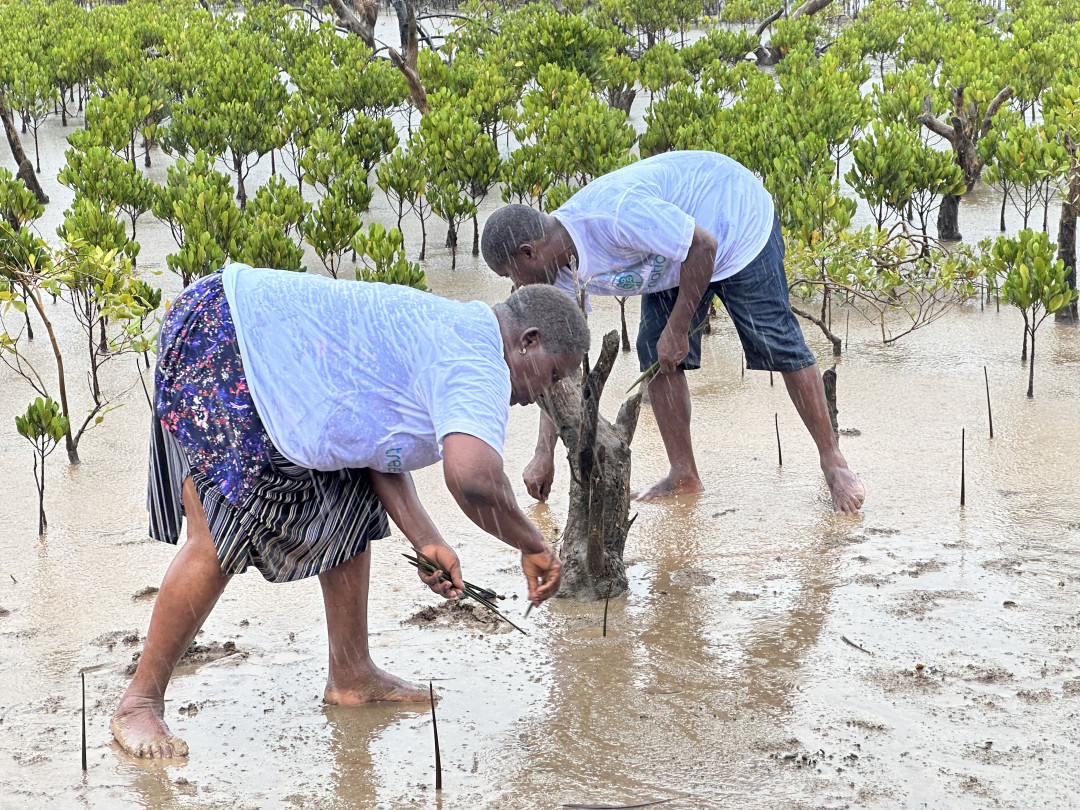
Sixty people from communities adjacent to Marereni planting site are at the center of this work. Organized through their CFA, the formal body that holds agreed rights and responsibilities over local mangrove blocks, community members produce seedlings, pick propagules, plant them, and maintain the growing forest for at least 5 years, all under Tree-Nation's technical supervision and all compensated through wages. This is not incidental labor. Participants are trained in nursery management, propagation, identification of mature propagules, and site-specific planting techniques, skills that stay with them long after the project's active phase ends. That training, paired with direct income, builds something restoration projects often struggle to secure: a lasting sense of ownership over the land being restored.
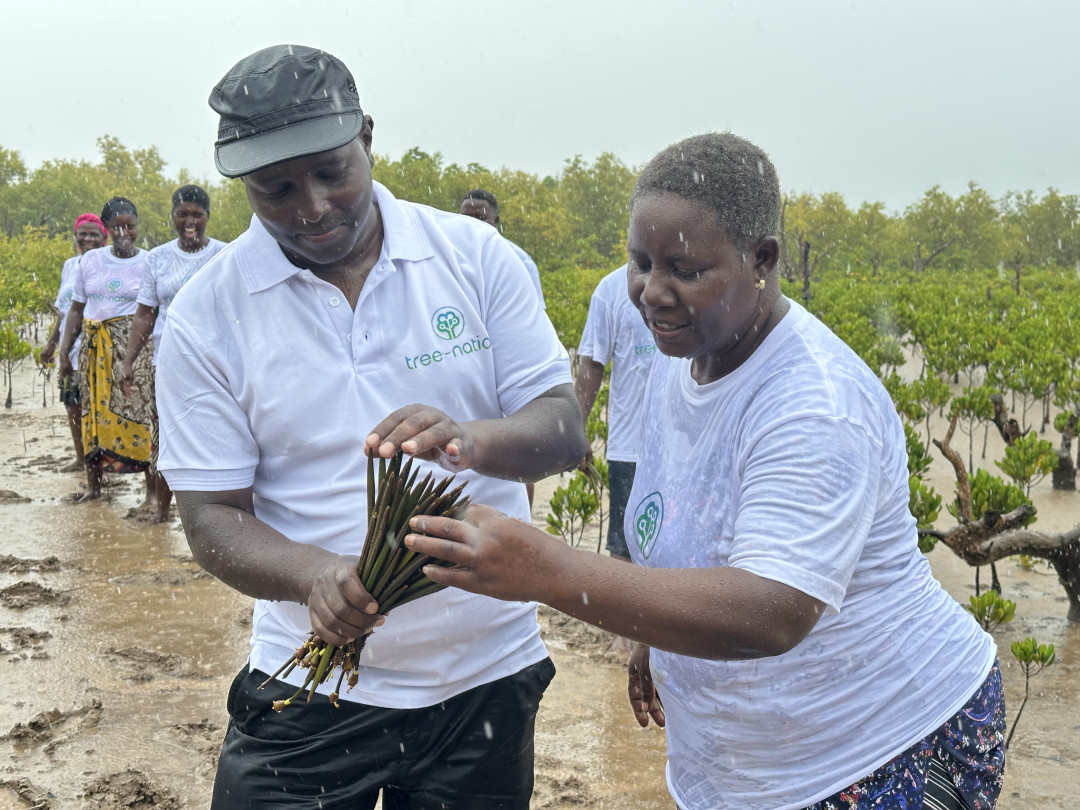
The technical approach followed a careful sequence, starting with a study of each site's tidal hydrology, sediment conditions, and existing native species, prioritizing natural regeneration wherever conditions allowed and reserving active planting for the areas that needed it most. The team identified healthy mother trees of locally dominant species, such as Ceriops tagal, as the source for propagation, then carried out a first trial planting once the resulting seedlings reached the right size. Full-scale planting will follow, and five further years of monitoring will combine community observation with satellite-based vegetation analysis and geotagged photo verification under Tree-Nation's VQS framework, until the forest reaches a stable, self-sustaining state.
The payoff extends well beyond tree counts. Restored mangrove root systems serve as nurseries for fish, crabs, and other marine life, work that should translate into stronger fish stocks and more reliable income for households that depend on local fisheries. Restored shorelines also stand a better chance against the erosion and storm surges that climate change is intensifying across the Western Indian Ocean coast. And because mangroves rank among the most powerful natural climate regulators on earth, locking away vast amounts of carbon in their biomass and soil, every hectare restored adds to Kenya's broader climate mitigation effort and to the growing recognition of coastal ecosystems as serious climate finance assets.
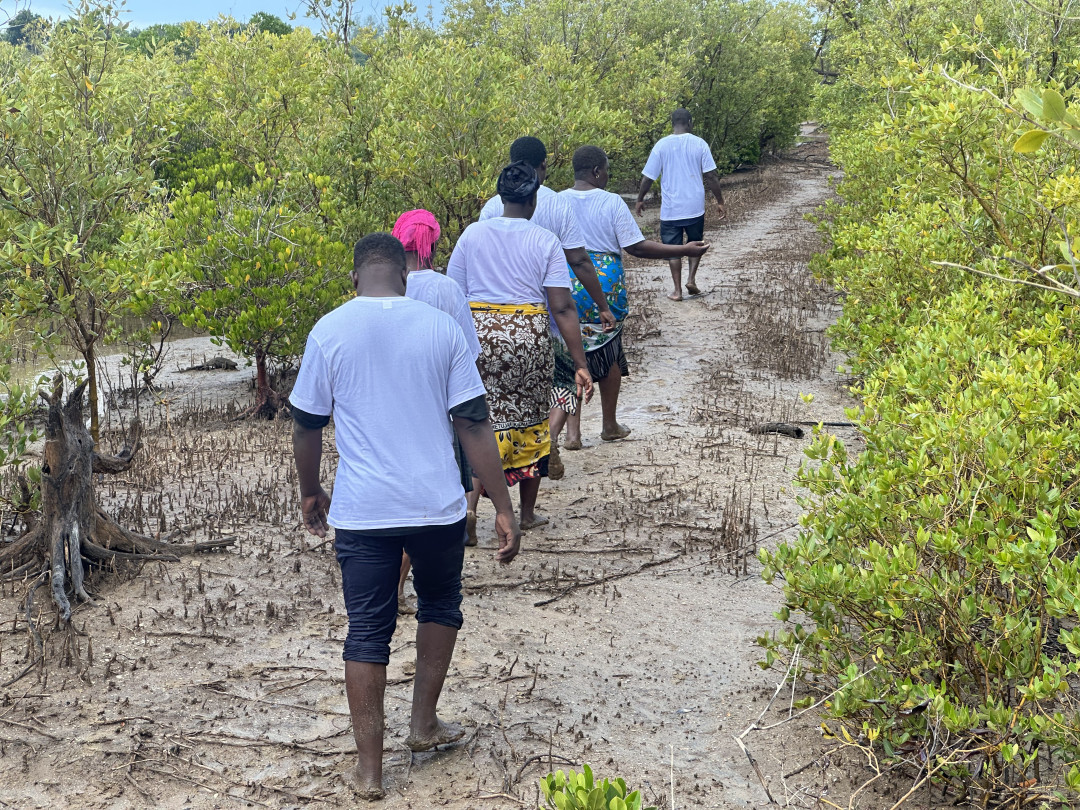
The Marereni pilot site is designed to teach as much as it restores. Lessons on site selection, community engagement, and long-term monitoring will shape how Tree-Nation refines this model of direct field leadership before extending it to other degraded stretches of Kenya's coast. If the pilot delivers the ecological and community outcomes it's built for, then it becomes the template for something much larger: a scaled restoration effort across coastal Kenya that ties local livelihoods directly to the health of the mangroves that protect them.
Comments (1)
Leave a comment