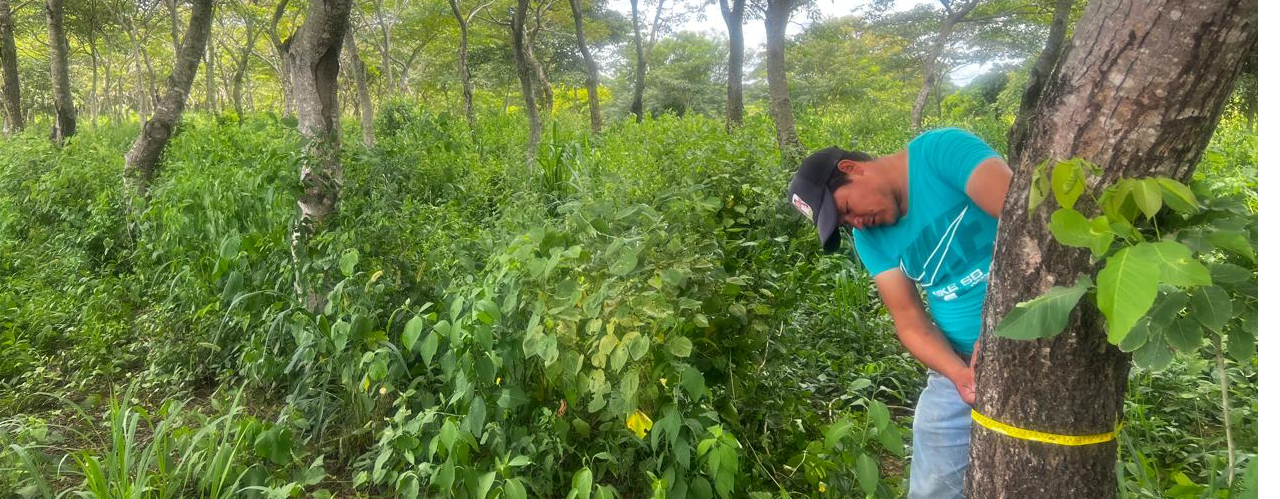

One of our main activities is to track the health of tree. It is crucial for a multitude of reasons, extending beyond the individual tree to encompass the health of the surrounding environment. It allows us to monitor their growth, identify potential problems, and take steps to ensure their long-term survival. One of the primary ways we do this is by measuring various aspects of their physical characteristics, such as height, circumference, diameter, and density. These measurements provide valuable insights into the overall health and vigor of a tree, but they also offer a window into the health of the soil itself.
For example, a tree that is growing at a normal rate and has a healthy circumference and diameter is likely to be in good condition, and this often reflects a healthy soil environment. On the other hand, a tree that is growing slowly or has a thin trunk may be stressed or diseased, and this stress can be a direct result of soil issues. A lack of essential nutrients in the soil, for instance, can stunt growth and make a tree more susceptible to disease. Similarly, soil that is waterlogged or poorly drained can deprive roots of oxygen, leading to root rot and a decline in the tree's health.
Density measurements, while reflecting the tree's internal structure, can also indirectly suggest soil problems. A tree with a high density is likely to be strong and resistant to disease, often indicating access to adequate resources from the soil. Conversely, a tree with low density may be struggling due to poor soil conditions.
By tracking these measurements over time, we can identify trends and patterns that may indicate a problem, not just with the tree, but with the soil. For instance, if a tree's growth rate suddenly slows down or its circumference starts to decrease, it may be a sign that the tree is under stress, and that stress could originate from nutrient deficiencies, improper drainage, or other soil-related issues.
In addition to helping us assess the health of individual trees and the soil immediately surrounding them, these measurements can also be used to monitor the health of entire forests and ecosystems. By tracking the growth and health of trees across a large area, we can identify areas that are experiencing problems, potentially linked to broader soil degradation or imbalances, and take steps to protect them.
Overall, tracking the health of trees is essential for ensuring their long-term survival and for gaining a deeper understanding of the health of the soil that supports them. By measuring various aspects of their physical characteristics, we can gain valuable insights into their condition and the condition of the soil, taking steps to protect them both from disease and other threats.
Comments (3)
Leave a comment