
Windbreakers: Safeguarding Biodiversity and Mitigating Agricultural Impact
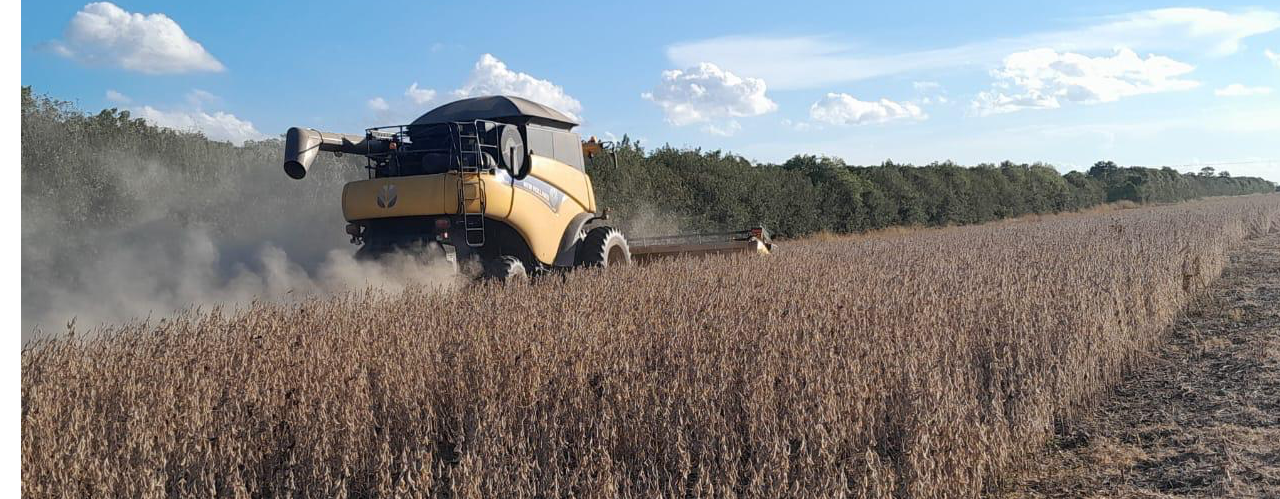
Within the dynamic landscape of sugarcane and soybean plantations, where agricultural machinery hums and dust plumes rise, windbreakers stand as vital guardians of biodiversity. Crafted from strategically placed trees, these natural barriers shield sensitive ecosystems from the disruptions of modern agriculture.
Preserving Biodiversity Amidst Cultivation
Windbreakers establish a crucial buffer between expansive cultivation and surrounding natural habitats. They minimize noise and vibration disturbances, while also curbing the spread of invasive species. This buffer allows wildlife to maintain their natural rhythms, ensuring the preservation of biodiversity within and around agricultural zones.
Controlling Dust and Agrochemical Drift
Beyond biodiversity protection, windbreakers effectively manage dust and airborne particles, including potentially harmful agrochemicals. By creating a physical barrier, they prevent these substances from drifting beyond the cultivated fields. This safeguards the health of farm workers and nearby communities, and maintains cleaner air quality in the wider region.
A Sustainable and Multifaceted Solution
Windbreakers represent an economically viable and environmentally sound approach to mitigating the challenges of modern agriculture. They demonstrate a tangible commitment to sustainable practices. By integrating windbreakers into plantation layouts, we foster a harmonious balance between agricultural production and environmental stewardship.
Conclusion: A Symbol of Coexistence
Windbreakers exemplify the power of thoughtful design and sustainable strategies. They symbolize our capacity to coexist with nature, even within the context of intensive agriculture. By embracing innovative solutions like windbreakers, we pave the way for a future where agricultural progress and environmental responsibility are mutually reinforcing.
Comments (1)
Leave a comment