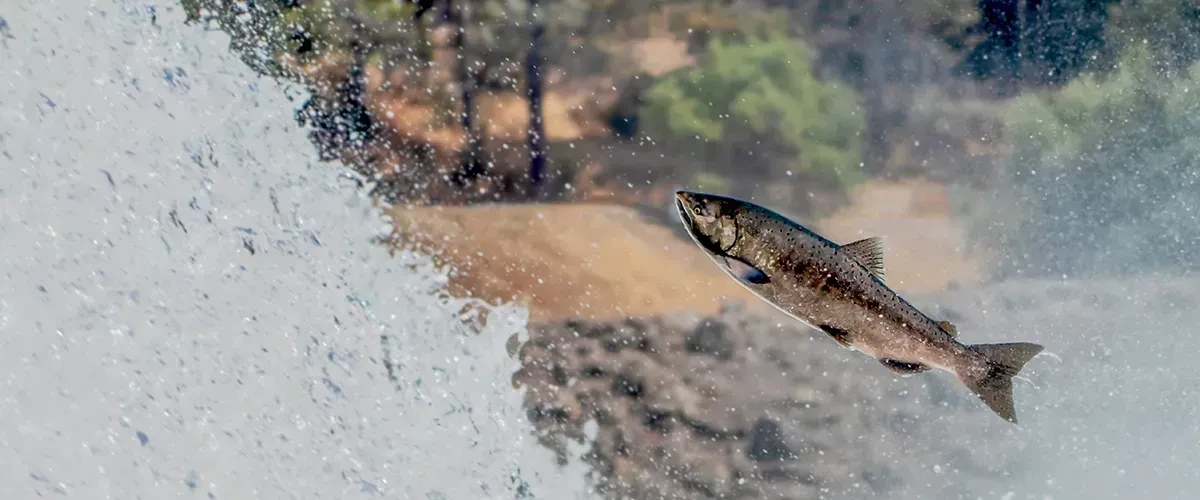

In the Pacific Northwest, salmon aren't just fish; they're the heartbeat of Native American tribes, weaving through their diet, beliefs, and economy like a river through a lush valley.
These tribes, recognizing salmon as a cherished 'first food,' have thrived alongside them for ages, believing in a heartfelt give-and-take: care for your food, and it cares for you. However, these mighty fish faced a rough tide when outsiders swooped in, disrupting their homes with deforestation, gold-hunting erosion, and dam constructions.
The once-teeming salmon numbers dwindled drastically, almost to the brink of vanishing. But the tribes didn't let the current sweep them away. They fought tooth and nail, reclaiming fishing rights and setting up the CRITFC to nurse the salmon and their homes back to health. They mended streams and planted trees, witnessing nature's remarkable bounce-back.
Yet, a new shadow looms with climate change – shrinking snowpacks, dwindling rivers, and warmer waters threaten these cold-loving swimmers. If the warmth pushes the salmon north, it's not just a change of address; it's a cultural earthquake, shaking the very foundations of tribes that have long revered the fish as their generous first ally.
Despite this, salmon are more than just fish in this intertwined web of life. They're nature's nurturers, their very being enriching forests and feeding a myriad of creatures. If the salmon vanish, it's not just a loss for the tribes; it's a ripple effect, disturbing the entire ecosystem.
Facing these heated challenges, its where we step in, planting trees to shade and cool the waters, while tribes like the Umatilla ensure the land and its traditions endure, safeguarding a legacy of respect and interconnectedness. In this dance of resilience, tribes and salmon move as one, adapting, preserving, and hoping, knowing that their fates are shared, woven into the very fabric of the land and its stories.
Comments (0)
Leave a comment