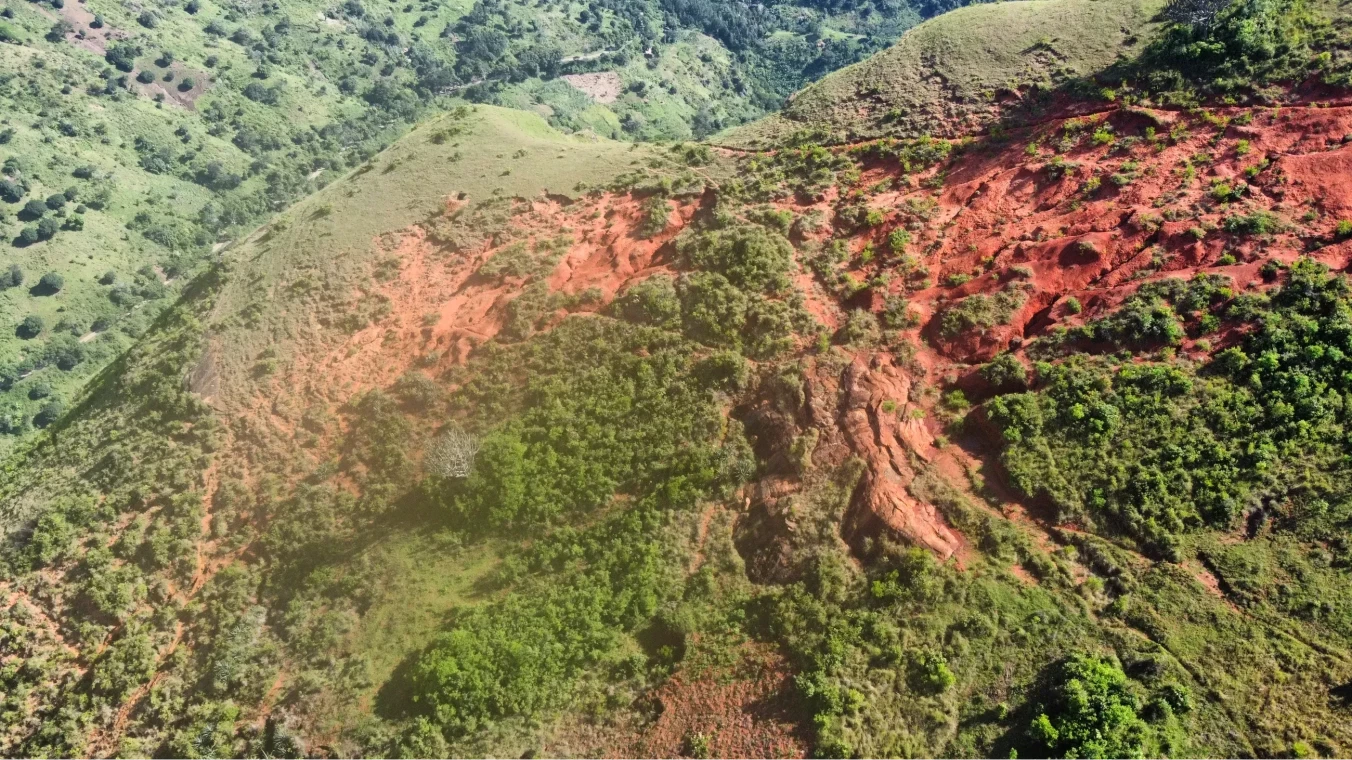

Planting trees is a crucial solution to combat desertification, a global environmental issue that leads to the degradation of land and loss of biodiversity. Desertification affects approximately one-sixth of the Earth’s land surface, primarily in Africa, Asia, and the Middle East (UNCCD, 2021). Trees play an essential role in mitigating desertification by:
- Preventing soil erosion: Trees act as windbreaks and help prevent topsoil from being carried away by wind or water. Their extensive root systems also help bind the soil together, reducing its susceptibility to erosion (FAO, 2021).
- Retaining moisture: Trees absorb and store large amounts of water through their roots and release it gradually into the environment. This helps maintain soil moisture levels and reduces the impact of drought on agricultural lands (NASA, 2021).
- Providing shade: Trees provide shade for crops and livestock, reducing the need for irrigation and helping conserve water resources (FAO, 2021).
- Supporting biodiversity: Trees provide habitats for various species of plants and animals, contributing to overall ecosystem health and resilience (UNEP-WCMC, 2021).
- Sequestering carbon: Trees absorb carbon dioxide during photosynthesis and store it in their biomass. This helps mitigate climate change by reducing greenhouse gas emissions (IPCC, 2019).
Through our project, we fight desertification while spreading awareness about its importance in our local communities and to the world.
Comments (0)
Leave a comment