
by
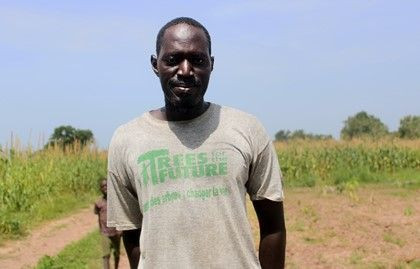
Senegalese farmer Saliou Seck joined the Forest Garden Program in Senegal four years ago. At the time, he was growing just two crops.
“I only knew how to grow millet and peanuts,” he recalls.
Focusing production on one grain or cash crop is all too common in modern agriculture. But as farmers like Saliou can attest, the system of monocrop intensification is neither profitable for the farmer nor is it good for the planet.
41-year-old Saliou was unable to support his family by farming, so he worked in his uncle’s shop. He was earning about $70 USD a month. But things changed quickly for him when he joined the Forest Garden Program and started learning about agroforestry and sustainable farming.
“The best decision of my life was to join the Forest Garden Program,” he says.
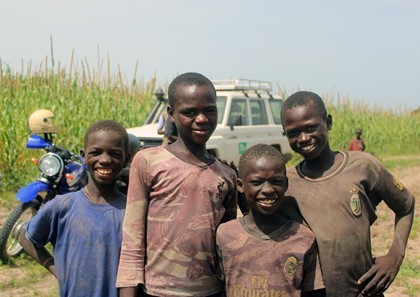
Along with his neighboring farmers, Saliou received trees and training from local Trees-For-The-Future staff for four years. Farmers learn how to protect their land, diversify what they grow, and take advantage of their land without overworking the resource.
“I became an agroforestry expert,” Saliou says. “I was able to even plant sugar cane in my Forest Garden.”
Sugar cane, papaya, mango, tomato, okra, chili, eggplant, moringa, cassava, banana, and so much more fill the land around Saliou’s home.
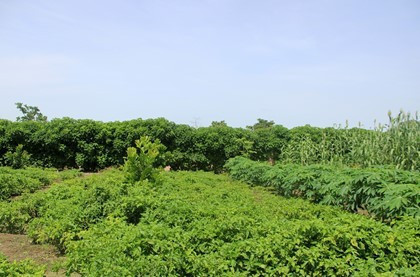
By focusing on diversifying what they grow, farmers are able to improve their families’ diets and can be confident in a regular income. From his eggplant harvest alone, Saliou earned more money in one week than he could previously make in seven months.
Trees-For-The-Future Technician Mady Wade explains that the training and trees they provide help farmers gain the knowledge they need to be successful in the long-term, without dependence on aid.
“Although we continue to support them with seed materials, trees and training [throughout the program], the farmers who participate in Forest Garden Program gain financial autonomy in their first year,” Wade says.
Saliou and his family are proof of that.
“During these four years, thanks to my Forest Garden, I built three bedrooms, bought two oxen, equipment, and a horse for field work,” says Saliou. He also points out the immaterial improvements made possible by his success. “We must not forget the schooling of my children, health care for the family, and daily expenses.”
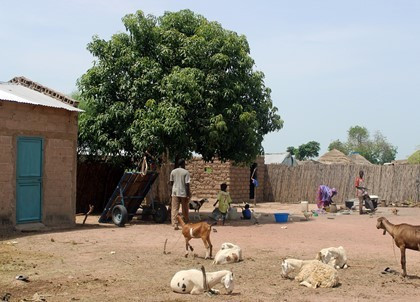
While the formal training program comes to a close, Saliou seems to be just getting started. He is hard at work establishing a second Forest Garden with the knowledge and savings he’s gained from his training.
“I was delighted when I saw that Saliou had a new Forest Garden,” says Trees-For-The-Future Technician Issa Fall. “This proves that our method supports the farmer throughout his life.”
Saliou is one of about 9,000 farmers impacted by the Forest Garden training.
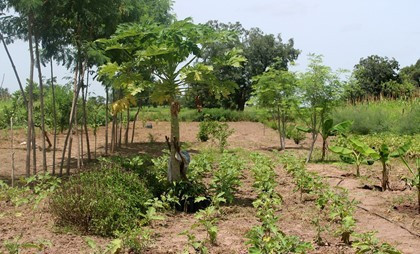
With each farmer’s success, neighboring farmers see the transformations take place and local appreciation for agroforestry grows.
“Every day, people come to me to find out how to get on with this project!” Saliou says.
Help provide the training and resources for more farmers like Saliou.
Comments (0)
Leave a comment