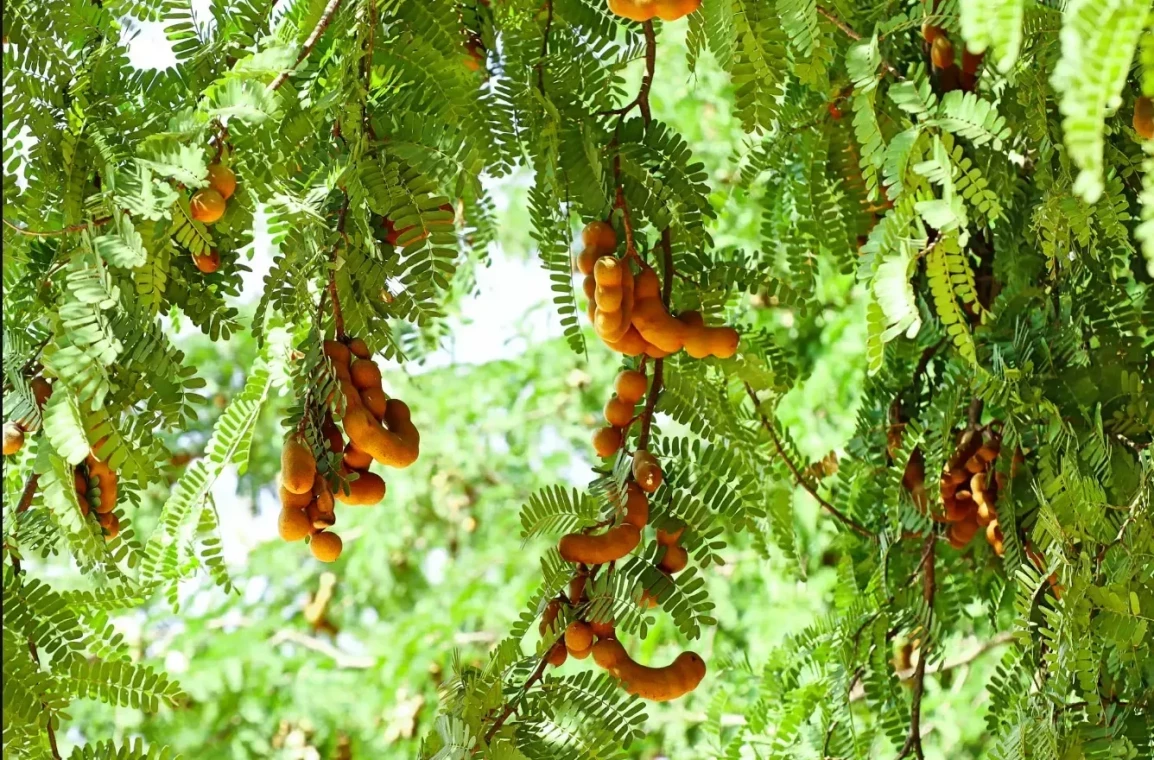

Planting tamarind trees (Tamarindus indica) as part of a plantation project can offer several benefits to beneficiaries especially we leverage expertise from our suatinability managers and environemnetal experts on identfying and deciding the species that can offet both enevironmental and community benefits. And in our research, tamarind species is one of the species that tops the list.
Here are some ways in which beneficiaries can benefit from planting tamarind species in our projects:
Income Generation: Tamarind trees can produce a valuable crop in the form of tamarind pods, which can be harvested and sold. The sale of tamarind can provide a source of income for beneficiaries.
Long-Term Investment: Tamarind trees are long-lived, and as they mature, their value and productivity tend to increase. This makes them a sustainable, long-term investment for beneficiaries.
Food and Nutrition: Tamarind pods and pulp are edible and can be used in various culinary dishes. They provide a source of food and nutrition, which can improve the well-being of the community.
 Tamarind Pods & pulps- In South india the culture is to cook fish and sambar using tamarind pulpEnvironmental Benefits: Tamarind trees contribute to environmental conservation. They help improve soil fertility and reduce erosion, making the land more suitable for agriculture. Tamarind trees also provide shade, which can benefit other crops and livestock.
Biodiversity: Tamarind trees attract various wildlife, including birds and insects, which can help in pollination and enhancing biodiversity in the area.
Carbon Sequestration: Tamarind trees, like other trees, sequester carbon dioxide from the atmosphere, contributing to climate change mitigation efforts.
Shelter and shade: Tamarind trees provide shelter and shade, which can be beneficial to beneficiaries and their livestock, especially in hot and arid regions.
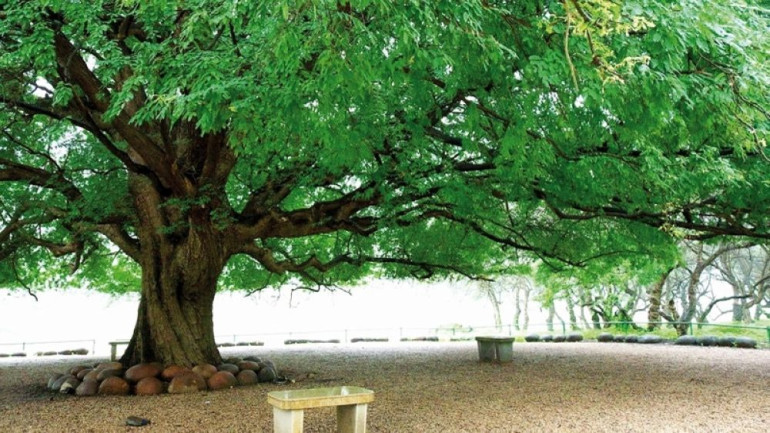
Medicinal Uses: Various parts of the tamarind tree have traditional medicinal uses. Leaves, bark, and fruit pulp can be used to treat a variety of ailments.

Community Development: Planting tamarind trees in a plantation project can be a community-building effort, promoting cooperation among beneficiaries and strengthening the social fabric.
Resilience: Tamarind trees are often hardy and drought-resistant, making them a valuable asset in regions with challenging environmental conditions.
The specific benefits and outcomes of planting tamarind trees in a plantation project can vary depending on the location, local practices, and project goals. However, the cultivation of tamarind can play a significant role in improving the livelihoods of the beneficiaries, enhancing the environment, and contributing to the sustainability of the project.
Comments (2)
Leave a comment