
In conservation planning, smaller and isolated patches of land are often not given much importance because they are thought to have limited ecological significance. Instead, the focus is usually on preserving large and well-connected areas. While large protected areas are essential for allowing natural processes to flow, it's possible to create valuable habitats for plants and animals on smaller pieces of land.
According to several studies ( like Riva et al. 2022, Wintle et al. 2019 * ), a group of smaller patches often supports a greater variety of species compared to one or a few larger patches with the same total area. The small natural areas can act like stepping stones, allowing for species movement between large patches and are important in fragmented landscapes.
Just like our future oak forests. We've initiated a project to reintroduce oak species (Quercus sp.) into the Ciuc Basin (an intramontane basin in the Eastern Carpathians). The oaks used to be abundant in the region until the 17th century when they vanished due to human activities.
The newly planted oak groves will serve as ecological stepping stones. This means that the acorns produced by these trees will be carried by birds, aiding in the gradual recolonization of nearby abandoned agricultural lands by these oaks.
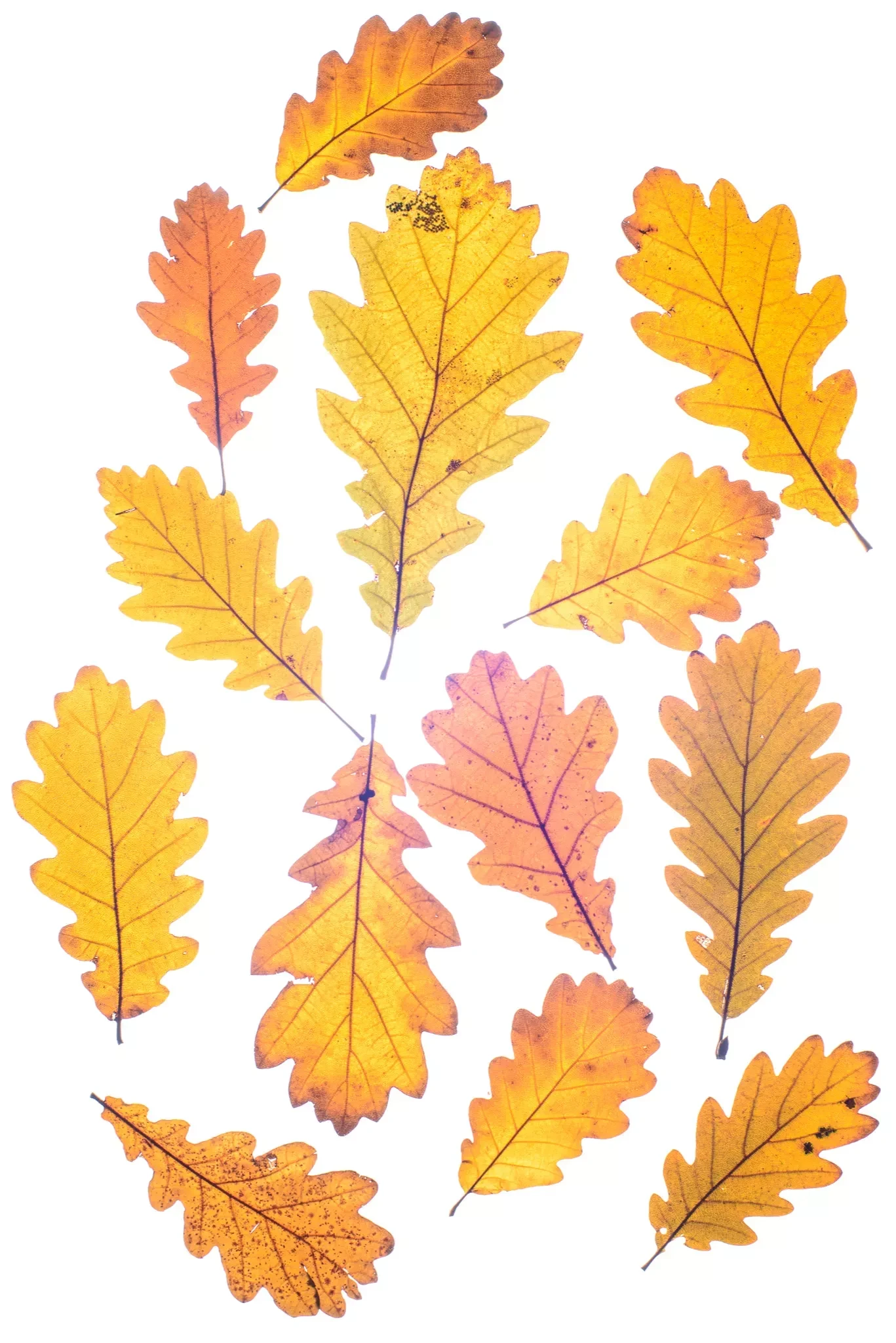
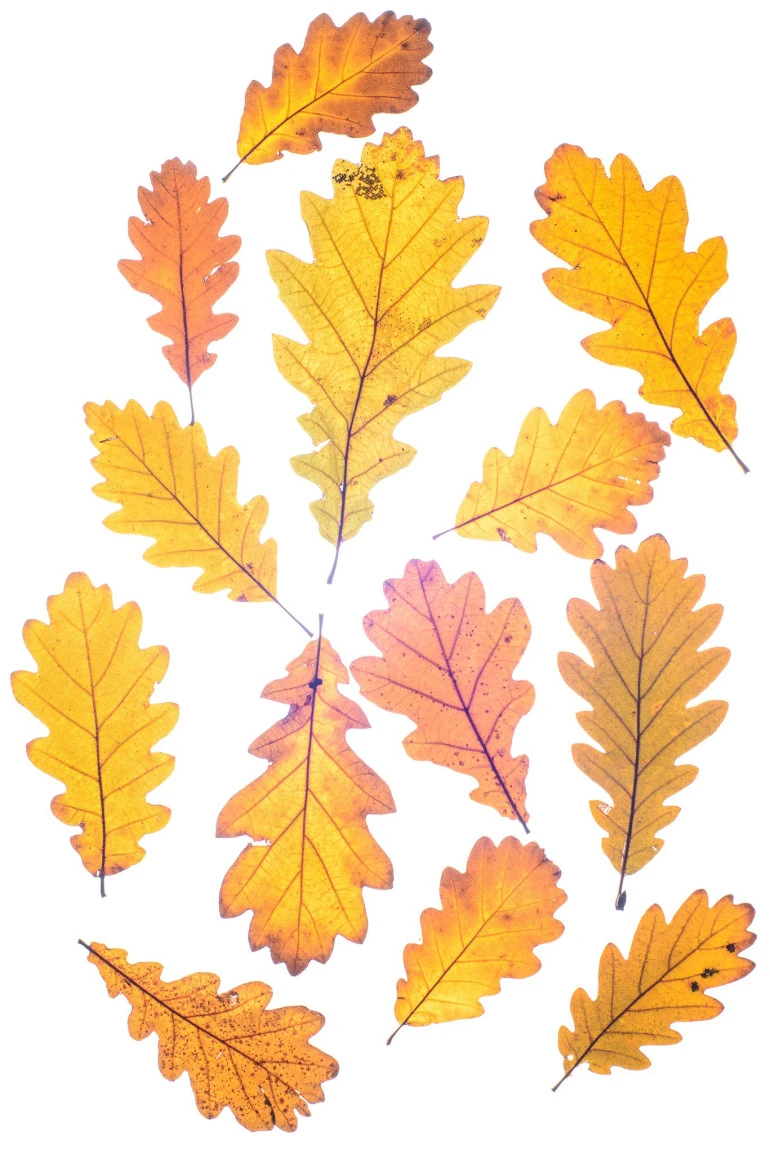 leaves of sessile oak (Quercus petraea) seedlings planted as part of our project
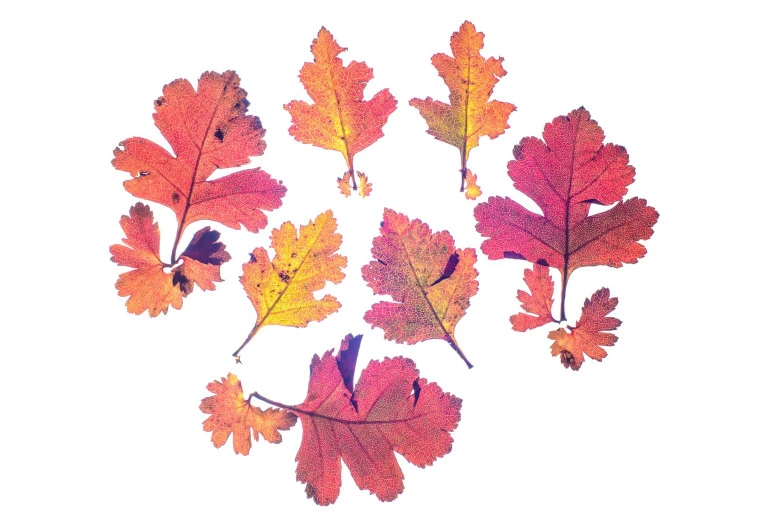 Hawthorn (Crataegus sp.) leaves - one of the companion species of the planted oaks *
Riva F., Fahrig L. The disproportionately high value of small patches for biodiversity conservation. Conservation Letters. 2022;15e12881.
https://conbio.onlinelibrary.wiley.com/doi/pdf/10.1111/conl.12881
Wintle BA, Kujala H, Whitehead A, Cameron A, Veloz S, Kukkala A, Moilanen A, Gordon A, Lentini PE, Cadenhead NCR, Bekessy SA. Global synthesis of conservation studies reveals the importance of small habitat patches for biodiversity. Proc Natl Acad Sci U S A. 2019 Jan 15;116(3):909-914. doi: 10.1073/pnas.1813051115. Epub 2018 Dec 10. PMID: 30530660; PMCID: PMC6338828.
https://www.pnas.org/doi/10.1073/pnas.1813051115


