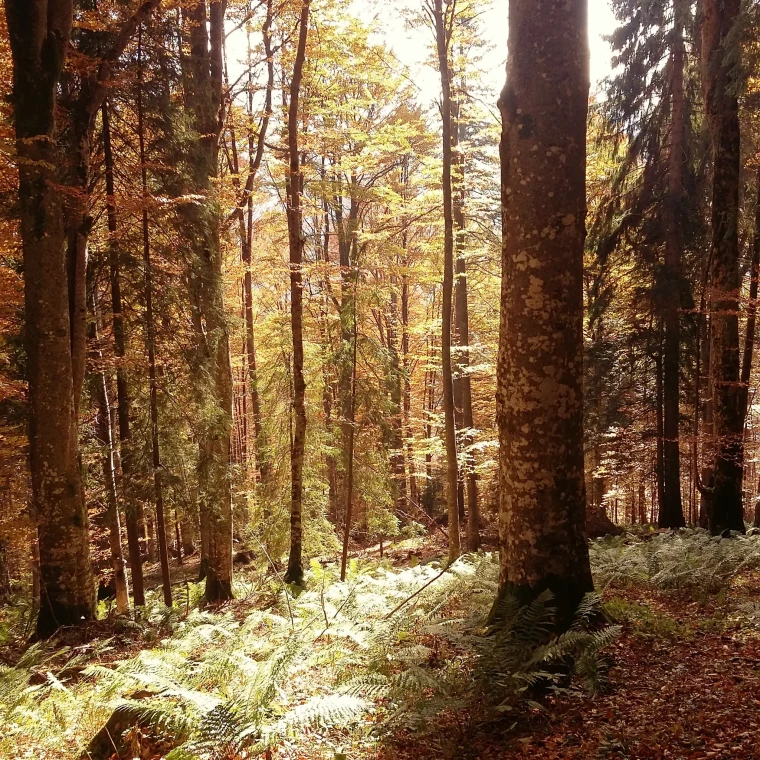

Climate change is expected to cause shifts in vegetation zones to higher elevations, leading to the loss of certain species and ecosystems.
The climate change resilience of pure spruce (Picea abies) stands is questionable after severe wind damage and bark beetle infestations in many parts of Europe, including the Eastern Carpathians.
Adaptation and mitigation in forests are interconnected because the long-term carbon sequestration capacity of trees depends on their ability to withstand various stressors. A growing body of evidence suggests that mixed forest plantations, where multiple tree species are combined, are more efficient at sequestering atmospheric carbon and better at coping with stressors related to climate change. Mixed forests outperform monocultures during droughts, storms, and bark beetle infestations.
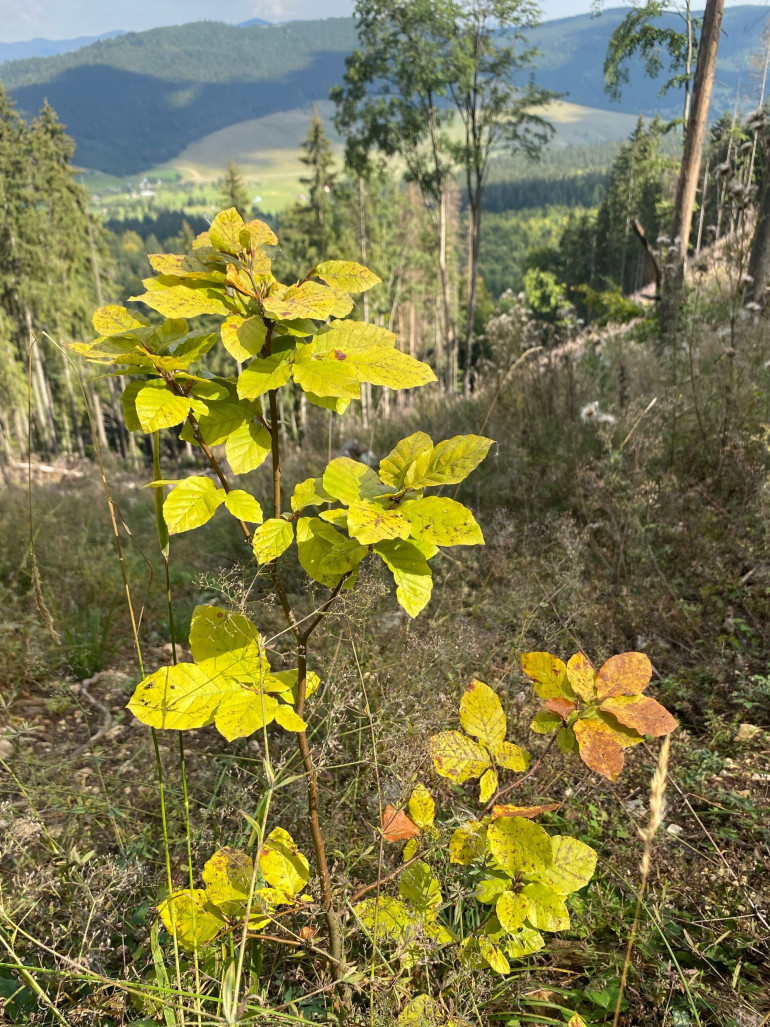
Mixed plantations, therefore, offer a significant nature-based solution for climate change mitigation and adaptation and that is the main reason why we are carrying out our “Restoration of wind damaged forests in the Hășmaș Mountains” project.
Comentários (0)
Deixe um comentário