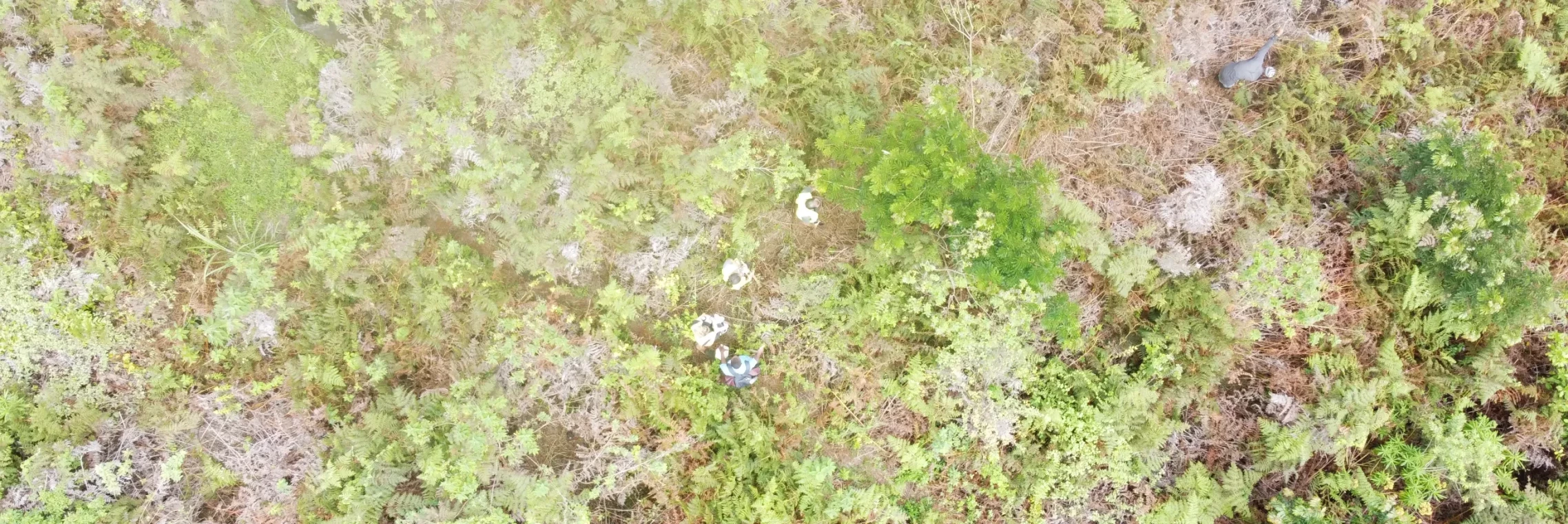

Fern plants, particularly species like hay-scented fern, New York fern, and bracken fern, significantly disturb forest restoration activities by forming dense understories that inhibit the regeneration and growth of desirable tree seedlings. These ferns are considered "interfering plants" because they create a competitive environment that reduces light availability, alters soil conditions, and outcompetes native tree species for resources.
Ferns can grow in both shade and full sunlight, giving them a competitive advantage . They are often well-established in understories before any forest harvesting . Once the canopy is opened by logging or other disturbances, ferns respond rapidly to increased light, quickly forming a dense groundcover that outcompetes newly germinated seedlings. This rapid response can lead to the conversion of diverse hardwood forests into fern fields if not managed proactively
Controlling fern infestations is challenging. While herbicides can be effective, mechanical weeding is often impractical .Fire can stimulate fern spread, making it an unsuitable control method . Effective control often requires a combination of chemical treatments, especially for aggressive species like glossy buckthorn, which can sprout readily and have long-lived seeds . Integrated approaches, including doing necessary tending, pre-planting surveys and strategic chemical applications, are crucial to prevent ferns and other invasive species from disrupting regeneration efforts. Changamoto Youth Development Organization normally do tending to the project sites to make sure that the tree are growing healthier as the best recommended way to ensure higher survival rate of the tree we planted.
Comentários (0)
Deixe um comentário