
A tiger’s survival depends on more than the forest within a protected area. Tigers need space to move, hunt, find water, establish territories and interact with other populations. As forests become fragmented by roads, settlements, agriculture and other forms of development, these natural movement routes can become increasingly difficult to maintain. This is where wildlife corridors play an important role.
Wildlife corridors are stretches of natural or restored habitat that connect two or more larger forest areas. They act as pathways through which animals can move safely between habitats. For wide-ranging animals such as tigers, these connections can be essential. A connected landscape gives tigers greater access to prey, water and suitable territories while allowing them to move between different parts of their habitat.
Corridors are particularly important because tiger populations cannot thrive in isolation. When forests become separated, individual populations may become increasingly cut off from one another. Over time, this can reduce opportunities for tigers to disperse and interact with animals from other populations, affecting genetic diversity and the long-term health of the species. Maintaining connections between habitats can therefore contribute to stronger and more resilient wildlife populations.
The benefits of corridors extend far beyond tigers. The same routes can be used by elephants, deer, leopards, wild boar, birds and many smaller animals. A functioning corridor can therefore support the movement of an entire community of wildlife and help maintain ecological connections across a wider landscape.
However, a corridor is not simply a line drawn between two forests. For it to function effectively, the habitat along the route needs to remain suitable for wildlife. Degraded patches may need to be restored, vegetation may need to be strengthened and human pressures may need to be carefully managed. This is where forest restoration becomes an important part of corridor conservation.
In Odisha, where several important forest landscapes support rich biodiversity and tiger populations, maintaining connectivity between habitats is an important part of long term conservation. Landscapes such as Similipal are not isolated ecosystems; they are part of a larger network of forests and habitats that wildlife depends on. Protecting these connections can help ensure that animals have room to move as environmental conditions and habitat requirements change.
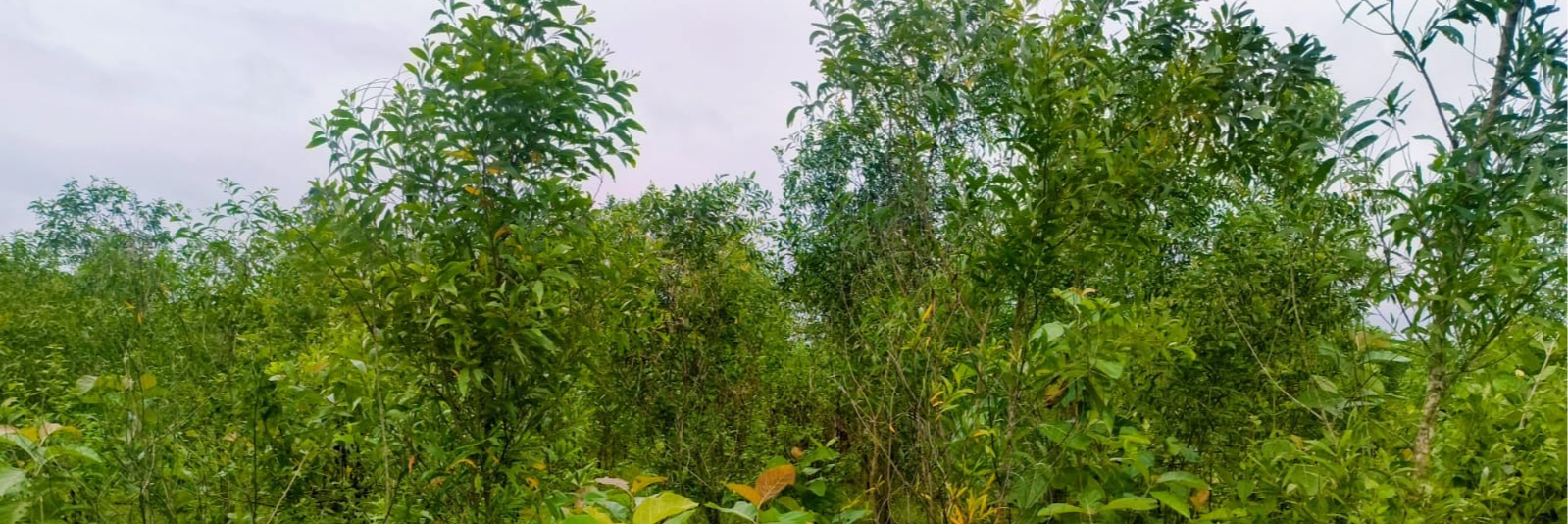
Tree planting and ecological restoration can contribute to this larger effort when carried out in appropriate locations and with suitable native vegetation. As restored areas mature, they can improve habitat quality, provide cover for wildlife and help reconnect fragmented patches of vegetation. Over time, individual restoration sites can become part of a broader ecological network.
This is the idea behind Trees for Tigers. The goal is not simply to plant trees, but to contribute to healthier landscapes where forests, wildlife and local communities can coexist. By restoring degraded areas and strengthening green connections, tree based restoration can support the wider ecosystems on which tigers and countless other species depend.
A wildlife corridor may appear to be just a strip of forest connecting two larger habitats, but its importance is much greater. It represents movement, connectivity and the ability of wildlife to access the resources it needs to survive. For tigers, protecting these pathways means protecting the larger landscape that sustains them.
Because a tiger needs not only a forest to live in, but a connected landscape through which it can move, survive and thrive.
Comentários (0)
Deixe um comentário