
A forest holds many stories that are not always visible to the human eye. In the landscapes of Odisha, understanding how tigers move through their surroundings is an important part of conservation. While tigers are elusive and often difficult to observe directly, signs such as pugmarks, scent marks, and scratch marks on trees can offer valuable clues about their presence and behavior.
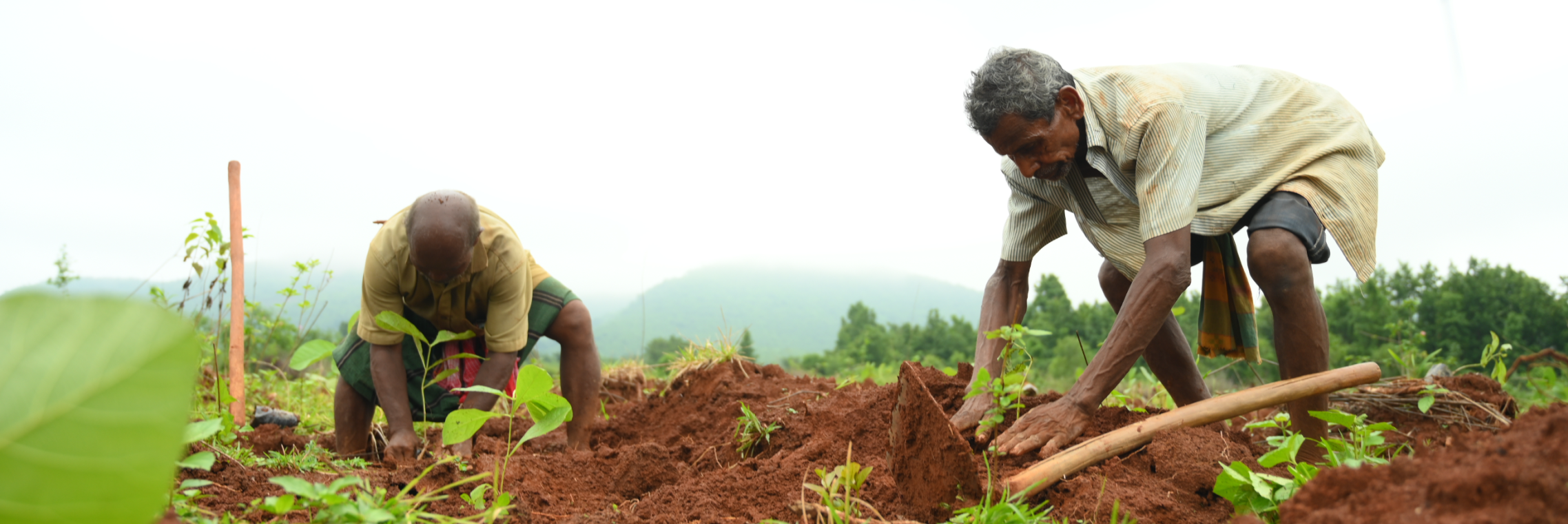
Through this project, tree plantation efforts in Odisha contributes to the long-term health of forest landscapes. These landscapes provide important natural resources for wildlife, including food, water, and shelter. Maintaining suitable forest conditions is an important part of creating an environment where tigers and other wildlife can continue their natural activities.
Tigers use scent marking and scratch marks to communicate with other tigers and establish territories. Pugmarks can also provide clues about their movement, although trained observers interpret them alongside other evidence. Researchers and forest officials use field observations and camera traps to monitor tiger activity, understand travel patterns, and gather information that supports conservation planning.
The quality and continuity of forest landscapes matter because tigers require sufficient space, access to prey, and suitable cover to survive in the wild. When forest areas remain connected and essential resources are available, wildlife has better opportunities to move through the landscape. Tree plantation, when suited to the local ecology and carried out with appropriate native species, can contribute to improving degraded areas over time.
Through Trees for Tigers project, the focus extends beyond planting saplings to supporting the development of healthier forest landscapes over the years. As these trees grow, their contribution to the surrounding environment can gradually develop, helping improve local vegetation cover and supporting the wider ecological conditions on which wildlife depends.
Tiger conservation requires sustained efforts, careful monitoring, and the protection of the landscapes that wildlife calls home. By supporting plantation activities in Odisha, this project contributes to this broader conservation effort, recognizing that thriving forests are an important part of safeguarding India's rich natural heritage for the future.