
Environmental change is not always first noticed through scientific instruments or long-term datasets. For communities living close to forests and agricultural landscapes, changes can also become visible through everyday experiences. A season arriving earlier or later, a familiar tree flowering at a different time, changes in water availability or the appearance of certain plants and animals can all become noticeable over time.
People who regularly interact with their surrounding landscape often observe these changes through farming, collecting forest produce, tending livestock and moving through nearby forests. These observations do not replace scientific monitoring, but they can provide an important local perspective on how a landscape is changing.
Changes in rainfall and temperature, for example, can influence when plants flower and fruit, when crops are sown, and how long water sources remain available. A shift in vegetation can also affect the availability of resources that communities and wildlife use. While individual observations cannot always tell us why a particular change is happening, patterns noticed over several seasons can help communities recognize that their environment is changing.
This makes community participation valuable in landscape restoration. People living around a plantation site understand the local terrain, seasonal conditions and practical challenges of working on the land. Their involvement can support activities such as planting, maintenance and protection of saplings, while also creating a stronger connection between restoration efforts and the surrounding community.
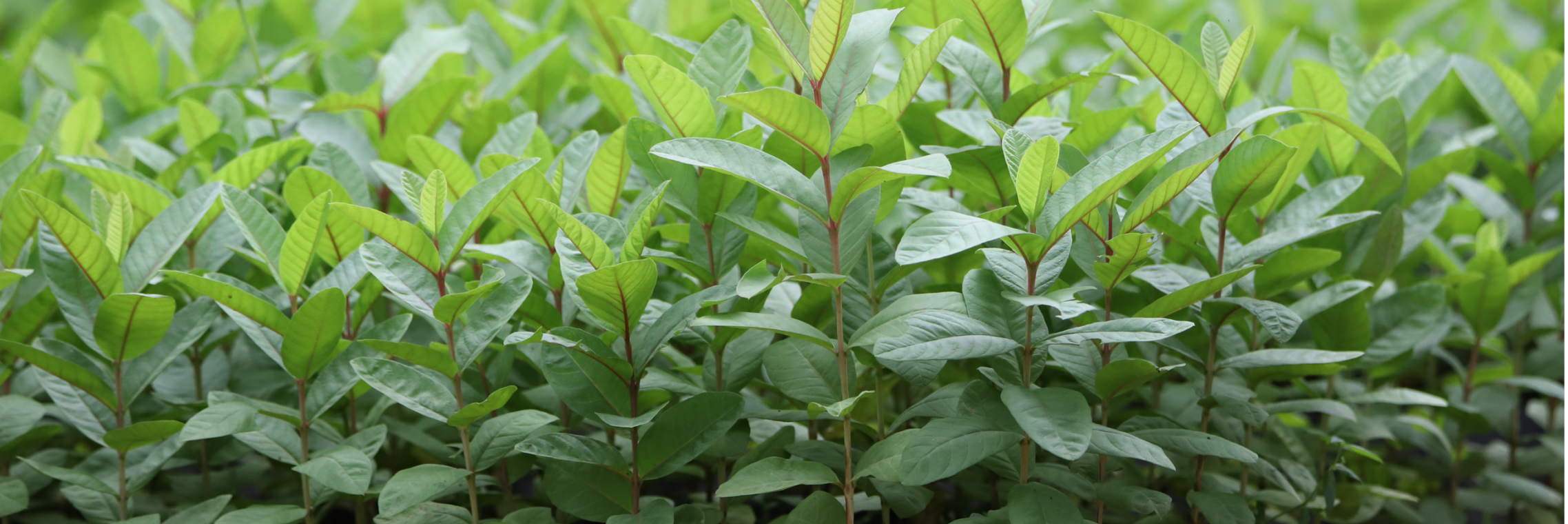
The Trees for Tribals project builds on this connection between people and landscapes. Tree plantation is not only about increasing tree cover; it is also about supporting the ecological conditions on which communities and other forms of life depend. Native and locally suitable trees can become part of the landscape over time, providing habitat, improving vegetation cover and contributing to the wider functioning of the ecosystem.
Restoration itself is a gradual process. A newly planted sapling may seem like a small change, but years of observation can reveal how a landscape develops around it. For communities living alongside these sites, noticing such changes can become part of understanding how their environment is responding and recovering.
In the end, environmental change is experienced at many levels. Scientific data helps us measure it, while observations from people who live and work close to the land can add another valuable perspective. Bringing these perspectives together can help create restoration efforts that are better connected to both the landscape and the communities who call it home.
Comentários (0)
Deixe um comentário