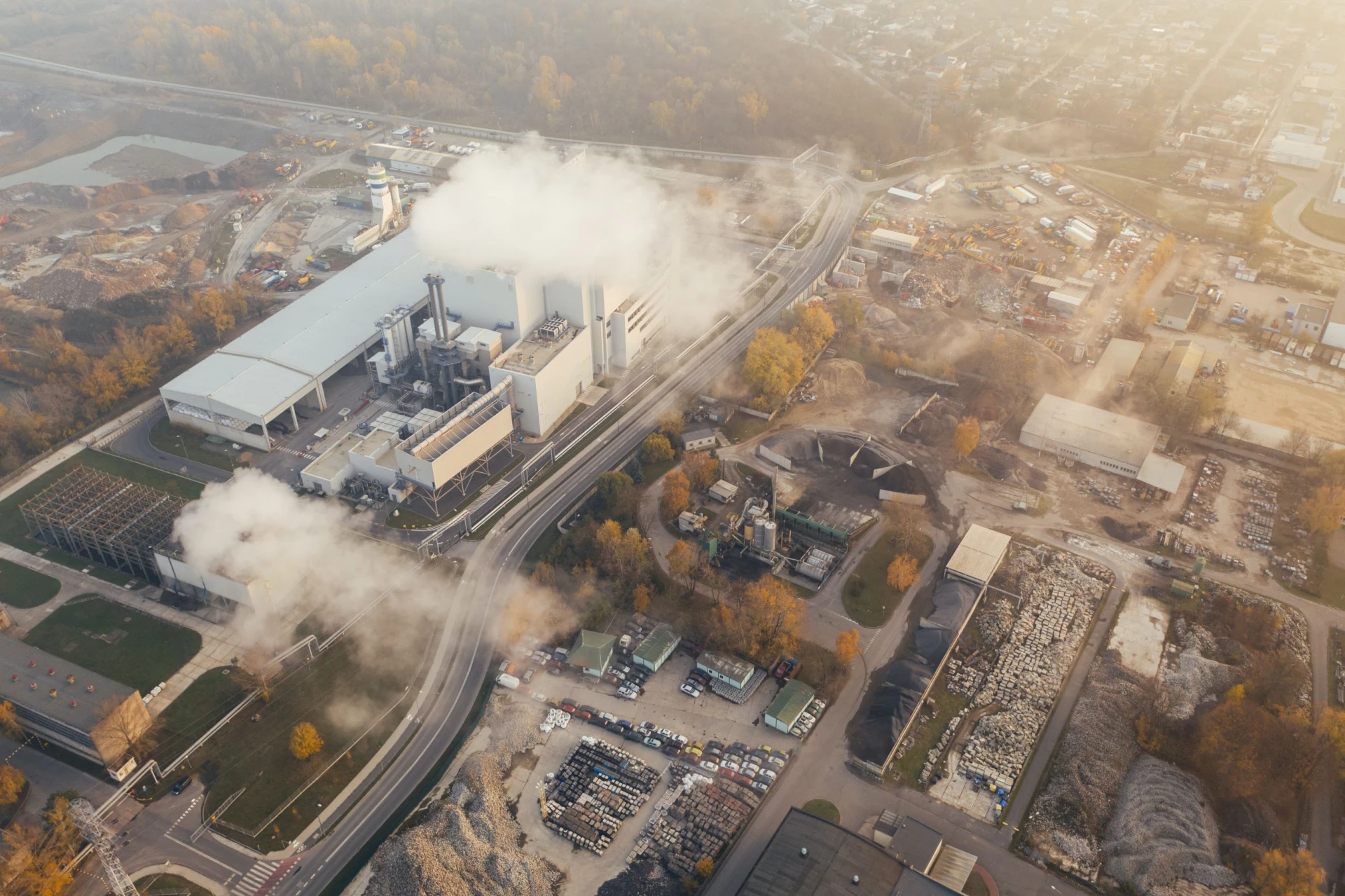

#CarbonCatchers #EcoEducation
At Tree-Nation we thought that as a part of our Eco Education Series, it would be of huge interest to create a guide on simple actions that you can make as an individual in order to reduce your carbon footprint and become a net zero citizen.
This post is the second part of our previous article on reducing your daily CO2 emissions. Read the second part of this guide below, besides finding some interesting recommendations.
Goods and Services
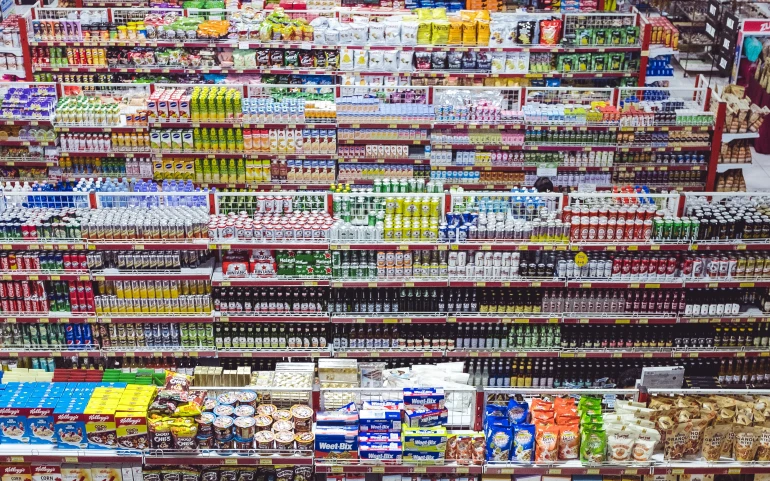
Consumer goods and services emit greenhouse gases throughout their entire lifestyle, before you get them, while you’re using them, and long after you’ve finished with them.
Pollution is created in the obtaining of raw materials, processing, production, and distribution, as well as their use and conversion into waste which is either reused, recycled or goes to landfill. The carbon footprint of events such as concerts, shows, or sports events, among others, is also significant due to aspects like transport, energy consumption, waste generated, etc.
It is worth bearing this in mind when purchasing things, particularly white goods (large electrical items, like a washing machine or fridge), but also numerous smaller electrical items. Breaking our disposable culture by taking a leaf out of our grandparents’ book and buying things that last, repairing things when they break, and not creating waste unnecessarily can significantly reduce greenhouse gas emissions and reduce pollution from waste, which creates all sorts of problems like water and air pollution and habitat destruction. Perhaps you rely on services too much when you don’t really need them.
Some things you can do now to start you on the right track are to:
- Always bring a shopping bag when you go shopping, plastic bag use is one of the most frivolous ways in which we pollute the world every day and it’s entirely avoidable.
- Carry a reusable water bottle, to cut down on plastic use and the CO2 emitted in its production and disposal.
- Use more environmentally friendly materials: Say no to plastic cutlery and straws, there are biodegradable alternatives which many restaurants have already adopted. Store your food in glass jars and containers instead of plastic, glass is not a perfect alternative because the raw materials to make it have to be extracted from the earth, but it doesn’t pollute the earth when you’re finished with it and it can be recycled over and over again, plastic can’t be. Using compostable and biodegradable bags, wrapping all of our waste in plastic is absurd and until the production of polluting refuse bags is banned, refusing to use such products will really help speed up the process.
- Slow down and dine in: Limit how much you order food and other products. If you cook more often not only will you reduce your reliance on services, but you’ll also be in control of what you eat and where it comes from.
Waste
Organic waste that goes to landfills emits carbon dioxide and methane as it decomposes, adding to world heating. Solid items, depending on their material but especially plastic, leach into the ground, river, and ultimately the ocean when it rains, polluting everything on their way. Recycling is by no means perfect, but it avoids all of the CO2 emissions connected with sourcing materials and their long carbon footprint afterlife and environmental impact when they are discarded. Whatever materials we can reuse are indispensable.
Products will be designed with a view to recovering vital raw materials, which at present is something we rarely do. A circular economy would bring us back into the safe zone for biodiversity, climate and especially nutrients and air pollution.
Limiting our waste is something we all have to come to terms with, we waste far too much and the world is anything but as limitless as we once thought. As with much of the climate crisis, real change must come from those who have the most power to change things, but political will is always informed by public action. If you can address your excess waste, use things in a more sustainable way and try to live with this world instead of against it, then why can’t governments do the same on a bigger scale.
Water
Yes, water production produces CO2.
A significant amount of energy enables our daily use of water. Whenever water is moved uphill, treated, heated, cooled, or pressurized, energy is needed. Most energy production emits carbon dioxide. Therefore, water use is another, often overlooked, contributor to our individual and collective carbon footprint. According to Chicago State University, it is estimated that U.S. water-related energy use is at least 521 million MWh a year— equivalent to 13% of the nation's electricity consumption.
So, installing water saving toilets, applying a water-saving showerhead, closing the tap during teeth brushing, using less water in the garden, using a washing machine once a week and generally avoiding using running water where possible, are all important measures to be taken to reduce the CO2 emissions related to water.
However, the significance of water in the climate crisis is far more over-reaching than just CO2 emissions.
We are made of up to 60% water; the brain and heart are composed of 73% water, and the lungs are about 83% water. Approximately 70% of the surface of our blue planet is water, yet fresh water is scarce, very scarce. Only 3% of the entire world’s water is fresh, the other 97% is salt water and unusable for our needs. Furthermore, 60% of fresh water is frozen and only 0.007% of all our fresh water is drinkable. Fresh water is the essential constant that we cannot do without; we use it every day and we use much more than you would think.
The water we drink and wash with and wash things with is our direct consumption of water, but the water required to provide the things we buy is detached from our daily lives and so we don’t usually think of it as water consumption. This is our indirect consumption of water and it can be huge. Clothes production, in particular cotton, and food production, in particular, meat production considering not just the water needed for the animals themselves, but the water needed to grow the feed to sustain them, implies a large water use which is hidden from our view, another reason to re-evaluate how much meat and dairy you eat.
Plant a Tree
“Trees must be planted wherever they can grow” – Prof Cheikh Mbow, Director of Future Africa.
Why are trees important? The tree is the center of sustainable development. The benefit of planting trees is not just sequestering carbon from the air; it also helps to increase biodiversity, stabilize our climate and our water supply and has enormous benefits for our food production.
A typical hardwood tree can absorb as much as 48 pounds of carbon dioxide per year. This means it will sequester approximately 1 ton of carbon dioxide by the time it reaches 40 years old. Trees are absolutely vital for life on Earth. They prevent soil erosion, they create rain, when we plant them in fields (where we grow our food) the fertility of the soil increases and therefore production increases. There is an affinity between humans and trees, a symbiosis: we breathe in oxygen and exhale carbon dioxide, they do the reverse. There is a striking similarity between the capillaries in our lungs and their branches and shoots. We evolved for a long time together and we simply can’t do without them.
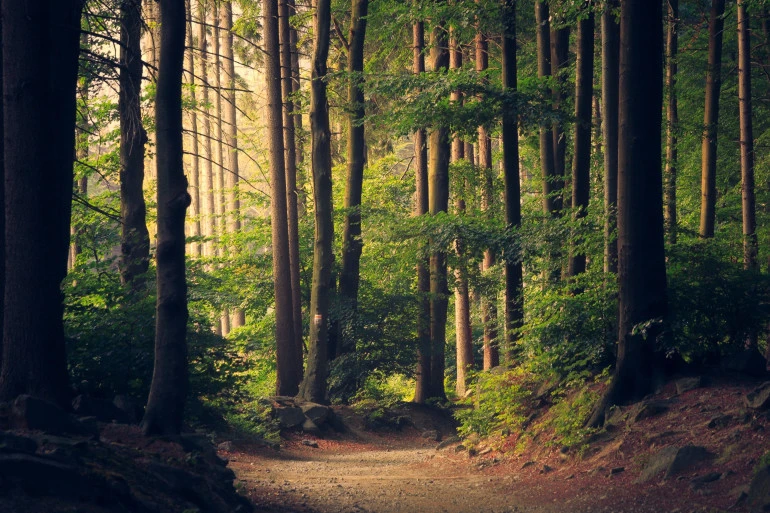
And you don’t need any space to plant a tree; you can plant one with us at Tree-Nation and know that you have contributed your tree to the world, just visit our main page.
If we planted 1.2 trillion trees, we would cancel out a decade’s worth of CO2 emissions by the time the forests matured. That’s more like 160 trees per person and we know that everyone won’t, or can’t, plant a tree, but wouldn’t you like to be one of the people who do?
Stay informed
Understanding is caring.
Everyone knows the climate crisis can be overwhelming, it’s a crisis, but understanding it, bit by bit, is the only way we have of alleviating that feeling. Knowing what the problems are and learning how to overcome them, will give you a sense of power instead of a fear of something which seems beyond your control. We have far more options than you may think, you only have to look for them and you don’t have to look much further than Netflix.
Watch documentaries and read about the natural world, sustainability, and the environment. Staying informed by some of the people most embedded and experienced in the challenge of saving our world. A lot of the information in this article came from them and is expanded upon in more detail in their documentaries.
We highly recommend:
Kiss the Ground – narrated by Woody Harrelson, provides solutions to the problem of agriculture in the form of agroforestry and regenerative farming which is really illuminating. Hearing the stories and seeing the results of the people already working to redesign and fix our food production system, is inspiring, educational, and hopeful.
Attenborough: A Life on Our Planet – (as well as everything David Attenborough has ever been involved in!) is a film that every member of this world needs to see. His testimony to the world and his vision for the future after documenting it as a naturalist and presenter for 70 years, is an indispensable insight into the place we live which no other person could give us in such an evocative way. The wisdom he passes to us is one of the best tools we have in forming solutions to the climate crisis.
The Limits of Our World – A Scientific Look – narrated by David Attenborough, brings together scientists from around the world, like Johan Rockström, a professor in environmental science with an emphasis on water resources and global sustainability. It offers an up-to-date look at exactly where we are in terms of the damage we've done to the world and shows what must be done to change and reverse it.
Water School – is the story of the education of children around the world in understanding our most precious resource. The attitudes, thoughts, and opinions of the students and their teachers are a positive and uplifting account of change in the making, sometimes in some of the most difficult places to live. As well as simply explaining the reality of our little-understood fresh water situation, it also offers hope for the future.
You can also read some of the articles we created dedicated to our #CarbonCatchers series.
What are the CO2 emissions of a single person?
Humans, forest fires, and climate change
The carbon footprint of the internet: The emissions of websites and servers
What are the CO2 emissions of Cats and Dogs?
The carbon emissions of an employee
“What one person does won’t make a difference”
One person’s changes make a difference in one person, and that equates to something very real and significant, especially now. If everyone did this or if everyone did that can seem like one of the most disheartening and maddening comments sometimes, because we know that ‘everyone’ won’t all do the same thing at the same time, for many logical and obvious reasons. But we don’t need everyone to suddenly become eco-warriors or for the world to become perfectly coordinated overnight. We need enough people to make enough personal choices that will affect our impact on our planet. Overall we need people to be aware that the way we are living is unsustainable. We need people to help, in any way they can with a sincerity that comes from within. Would you like to be one of those people?


