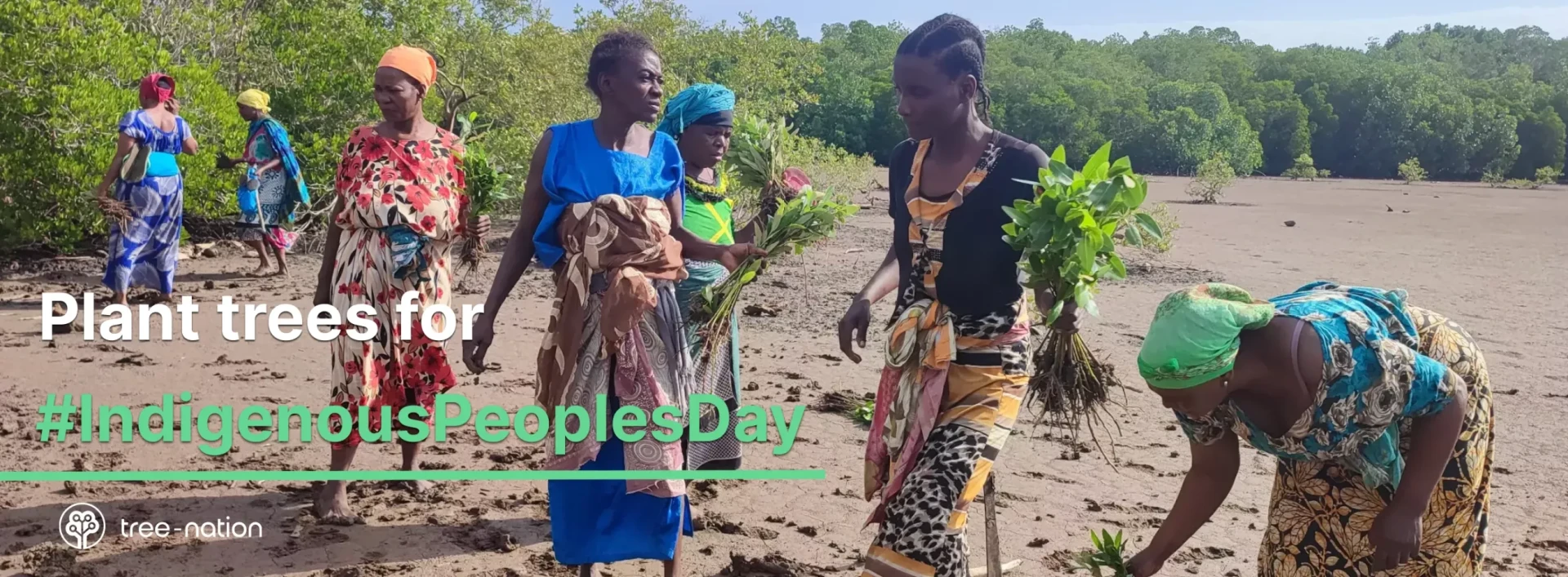

Indigenous peoples are the original inhabitants of a region, having settled there before the advent of colonialism. They are distinguished by their unique social, cultural, economic, and political traits, which often set them apart from the prevailing society.
Globally, there are approximately 476 million indigenous individuals spread across 90 countries, constituting less than 5 percent of the world's population. They speak the majority of the world's languages (estimated 7,000) and embody 5,000 distinct cultures.
Various countries, including Canada, the United States, and Brazil, celebrate Indigenous Peoples’ Day on different dates. The United Nations recognises this day on August 9th. This day is a celebration of the rich cultures of indigenous communities from the farthest corners of the world and serves as a stand against cultural appropriation.
Historically, the rights of indigenous peoples have been infringed upon, their territories seized, and their cultures eroded. Today, they are among the world's most marginalised and vulnerable groups.
Projects on Tree-Nation that work with indigenous peoples:
- Sacred Seeds Garden, Colombia
- Trees for Water, India
- Trees for Tigers, India
- Protect Amazonian Biodiversity, Peru
- Trees for Tribals, India
- Eden Reforestation Projects, Madagascar
- Mlola Biodiversity Return, Tanzania
- Community Forest Sowing, Guinea
So, how does Tree-Nation empower indigenous people?
Through our initiatives, we fund reforestation projects in the most underserved regions globally. Planting trees not only fosters new ecosystems but also aids in the growth of local communities creating new jobs.
The local communities are the center of our projects. We value their expertise regarding species, wildlife, geographical areas and climate. We believe that locals are the best experts when it comes to identifying suitable species for a particular region, understanding the optimal planting seasons and recognizing the characteristics of the soil. Therefore, we entrust them with our reforestation projects.
All the lands where we plant trees are owned by small local landowners, who retain ownership of the trees we plant. We prioritize 'productive' species that can yield fruits, gum, resin, oil, or wood, providing a source of income for these communities. This approach ensures that local owners have a vested interest in preserving the trees for an extended period. When you plant a tree with Tree-Nation, it is viewed as a contribution (or sponsorship for businesses), not an assertion of ownership over the trees or their produce.
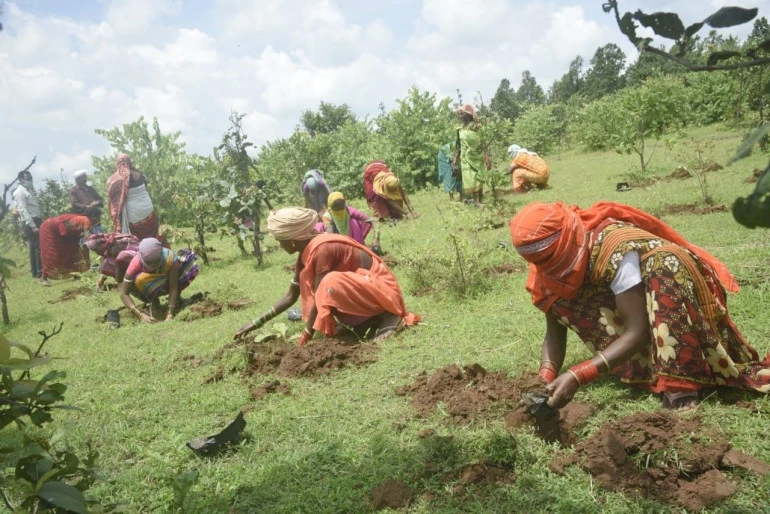
At Tree-Nation, our role is to provide financial support for the development of tree-planting projects. This assistance enables them to bolster their local economies and enhance their societal structures. During our project visits, we engage with the local communities to understand the societal impact of the reforestation projects. So far, the results have been encouraging. For instance, during a field visit in Madagascar, a woman expressed her relief at being able to put food on the table every day without worrying about her financial situation. Another testimonial highlighted how the income generated by the reforestation project has improved the quality of products in the local store, benefiting the entire community (See video report).
How to celebrate Indigenous Peoples' Day?
Celebrating Indigenous Peoples' Day with Tree-Nation offers a unique and meaningful way to honor the rich cultures and traditions of Indigenous communities. By planting trees through our platform, you are not only contributing to global reforestation efforts but also supporting the local communities involved in our projects.
So, on Indigenous Peoples’ Day, consider planting a tree with Tree-Nation. It's a tangible way to give back, showing respect and appreciation for the invaluable contributions of indigenous communities to our world's cultural diversity and environmental sustainability.