
Introduction
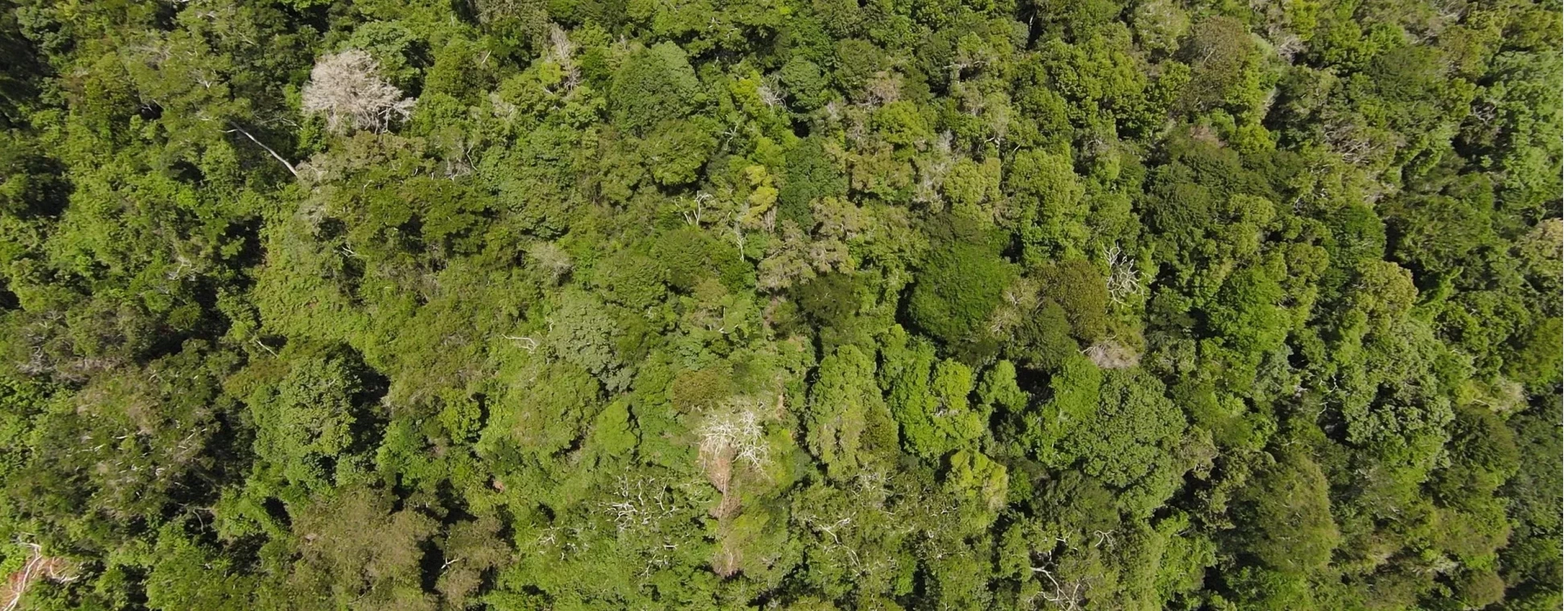
When people think of tree planting, they often associate it with environmental benefits such as cleaner air and restoring ecosystems. While these are crucial, tree planting also plays a vital role in transforming communities by creating jobs, improving food security, and providing sustainable sources of income. For many people, trees are not just part of nature; they are a path to a better life.
1. Trees as a Source of Income
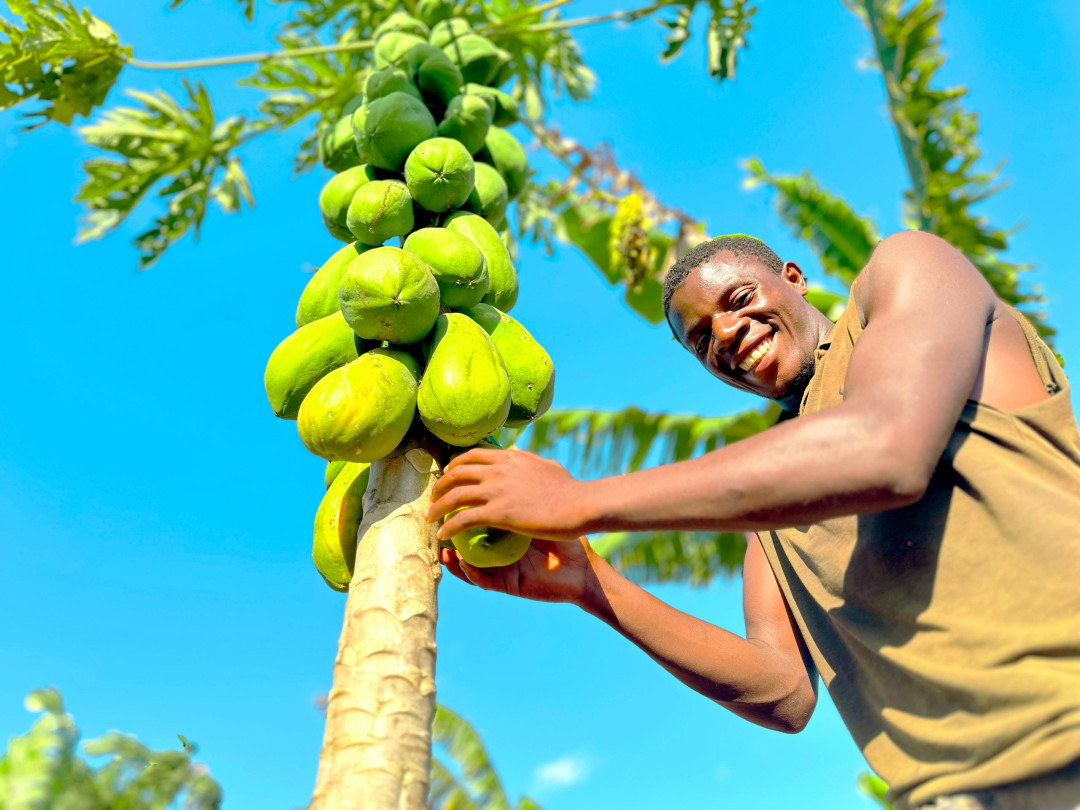
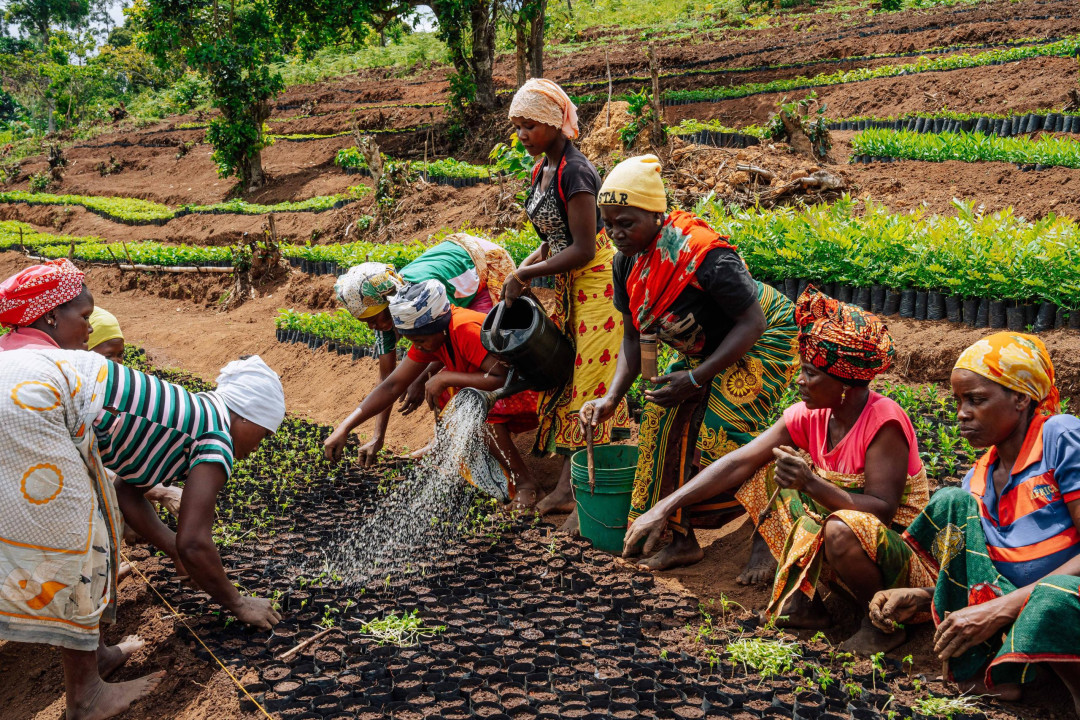
In many rural communities, trees provide more than just shade; they offer opportunities for economic growth. Tree nurseries create jobs for people who grow and sell seedlings, while fruit-bearing trees such as mangoes, avocados, and papayas generate a reliable source of income. Beekeeping is another growing industry that thrives in reforested areas, allowing families to sell honey and other bee products. By investing in tree planting, communities can develop sustainable businesses that support their livelihoods.
2. Improving Soil and Water for Better Farming
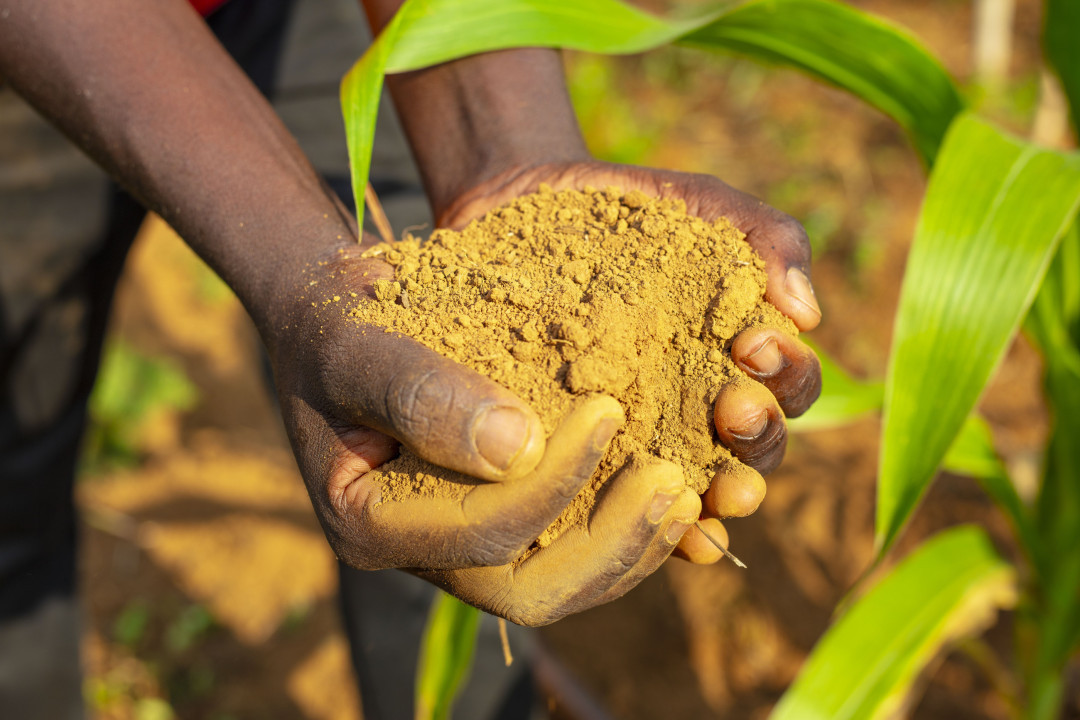
Deforestation leads to soil degradation, making it harder for farmers to grow crops. Without trees, topsoil is washed away by wind and rain, depleting the nutrients that crops need to grow. Reforestation helps restore soil fertility by preventing erosion and increasing water retention. Tree roots absorb excess water during heavy rains and release moisture into the soil during dry seasons, creating a more stable environment for agriculture. As a result, farmers can produce more food and earn better incomes.
3. Creating Sustainable Jobs in the Green Economy
The demand for sustainable solutions is growing, and tree planting provides a range of employment opportunities. From planting and maintaining trees to conservation and eco-friendly businesses, reforestation projects create jobs that support both people and the planet. In many regions, young people face limited employment options, but green initiatives offer new career paths that promote long-term economic stability.
4. Trees and Food Security
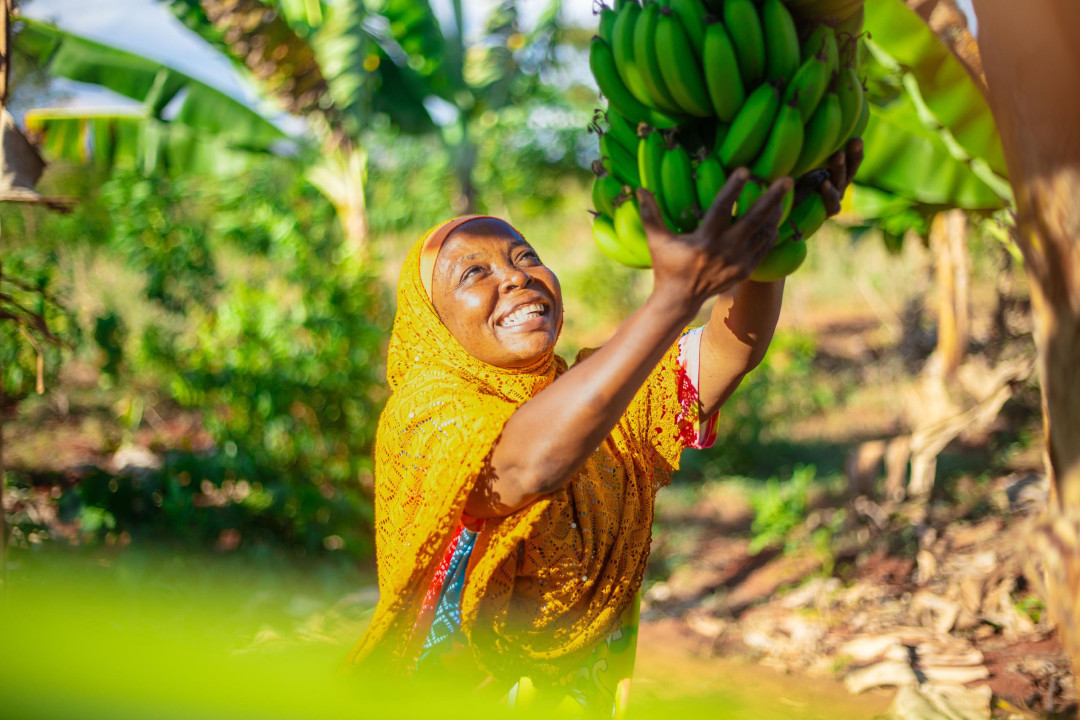
Food security is a challenge in many parts of the world, and trees play a significant role in addressing this issue. Fruit trees provide a steady supply of nutritious food, while trees planted alongside crops offer shade and protection, leading to higher agricultural yields. Additionally, reforestation helps preserve water sources, ensuring that communities have access to clean water for drinking and farming.
5. Reducing Climate Risks for Vulnerable Communities
Climate change affects vulnerable communities the most, bringing unpredictable weather patterns, droughts, and floods that threaten livelihoods. Deforestation worsens these challenges, making it even harder for people to survive. Planting trees helps stabilize the climate, restore ecosystems, and create a natural defense against extreme weather events. This resilience is critical for communities that rely on farming and natural resources for their survival.
A Greener Future for All
Reforestation is more than an environmental solution; it is a strategy for ending poverty, improving food security, and strengthening communities. By planting trees, people can secure better livelihoods, protect their land, and build a more sustainable future. A single tree can change a life, and collectively, reforestation efforts have the power to transform entire communities.
Commentaires (0)
Laissez un commentaire