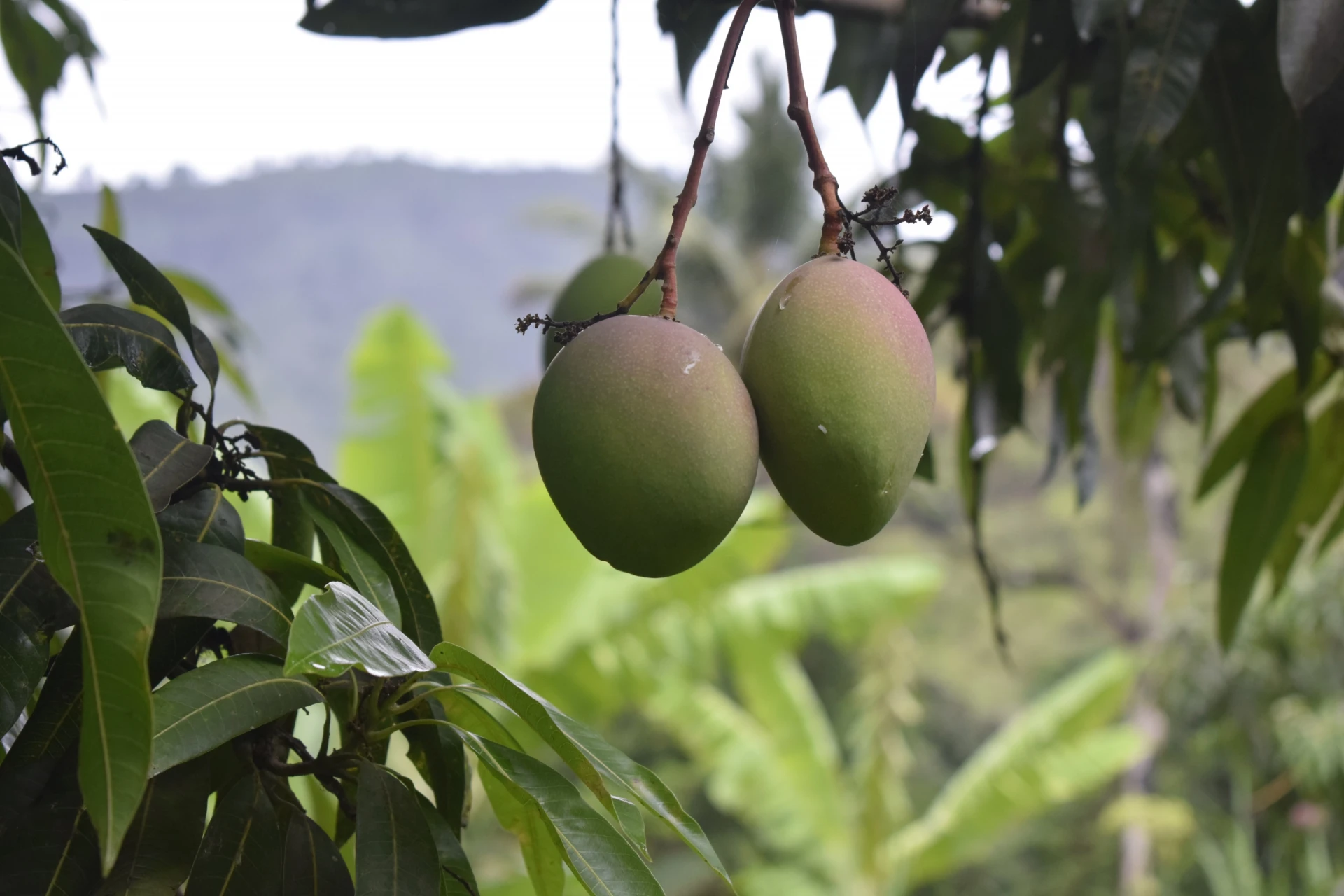

Since started 2008 alot of trees has been planted in the Usambara Mountains contributing to the life improvement of the people working on the project.One of the very successfuly project is FoU’s Community Fruit Tree Planting Initiative in the lower elevation the Bottom of the Usambara Mountains. Over the past 4 years of this project, in partnership with the community in Development and Environment and Indeed has delivered a range of activities with local women and young people. There are three main aspects of the project:
ttps://www.youtube.com/watch?v=6008DzSBh4g
Raising awareness about the value of conserving indigenous forests.
Developing practical skills such as budding, grafting and tree propagation
Developing skills in marketing but also in team building to encourage the community to continue to working together in the future.
Project Outcomes
The project has now come to an end and assessments have been made about its success. It has certainly engaged the local community with over 1500 people taking part on Fruts trees project. A fruit tree nursery has been set up and over 180 fruit trees have already been planted.
Lessons have also been learned about which species are more suitable for the planting area and the climate, for example the growth of a number of Citrus Sinensis – sweet orange trees was stunted.Encouragingly the area set aside for planting was increased during the project.
Significant Participation of Indigenous Peoples
The project is still going going on and are to be implemented by and benefits people who have lived in the area for all their lives.
Inovative Financial Mechanisms
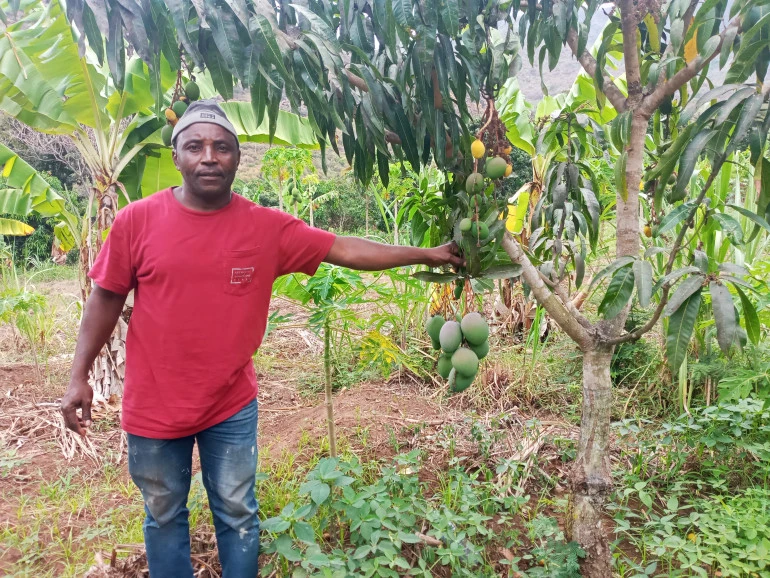
The project was supported through three fronts: Tree nation Platform who proved to be mojor contributors to Friends of Usambara Tree Planting Project,Local communities and local government.The project supported establishment of community development fund though Eco Tourism activities in the region.
Project Results
(1) Project is creating income to farmers
(2) Part of income earned by farmers is used for village development activities.
(3) Incidents of forest destruction decreased by 90%.
(4) Farmers lean that protection of forests with globally significant biodiversity is important.
(5) Farmers will learn that income can be generated through trade in biodiversity products. In this case, trading for butterfly pupae in a sustainable way is facilitated.
(6) Government and the donor community have realized that the concept of Joint Forest Management (JFM) could be successful if it is backed by incentives. In this particular project, financial incentives through the sale of butterfly pupae is the key incentive.
Indicators
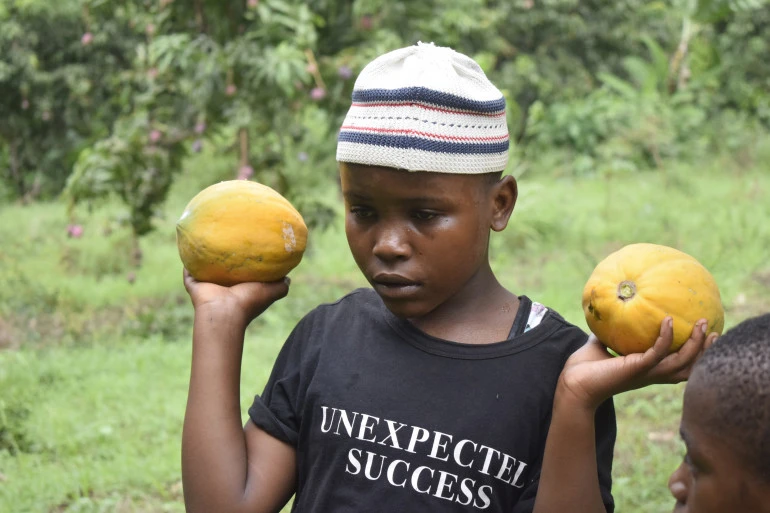
Biophysical;Number of innovations or new technologies developed/applied
Empowerment 1;Number of Farmers / NGOs participated / involved inproposed project
Empowerment 2;Number of women participated / involved in proposed project
Empowerment 3;Innovative financial mechanisms put in place through proposed project
Livehood 1 ;Total monetary value (US dollars) of ecosystem goods sustainably produced and providing benefit to project participants and/or community as a whole (in the biodiversity, international waters, and land degradation focal areas as appropriate .
Livehood 2; Increase in household income by increased income or reduced costs due to the proposed project
Prepared by Yassin Madiwa
#tnphoto #MangoTree

