
Mount Elgon Farmer-Led Agroforestry
 Uganda
Our project employs a unique agroforestry approach that benefits local farmers and the environment. Monoculture and logging have degraded the land and left farmers reliant on a single source of income. So far, over 700 farmers are using the Forest Garden approach to rebuild food systems, improve livelihoods, and restore the environment. CO2 per species is rounded to 50kg, as this project is twinned with VCS credits.
Fast growing and soil fertilizing species
These trees are strong and easy to grow. Commonly planted in large quantities, they build the base of a plantation system.
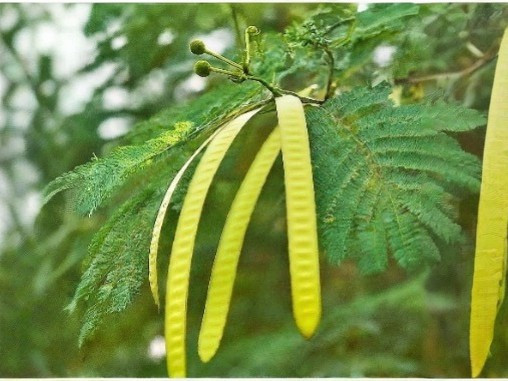
Leucaena trichandra
Trichandra Leucaena
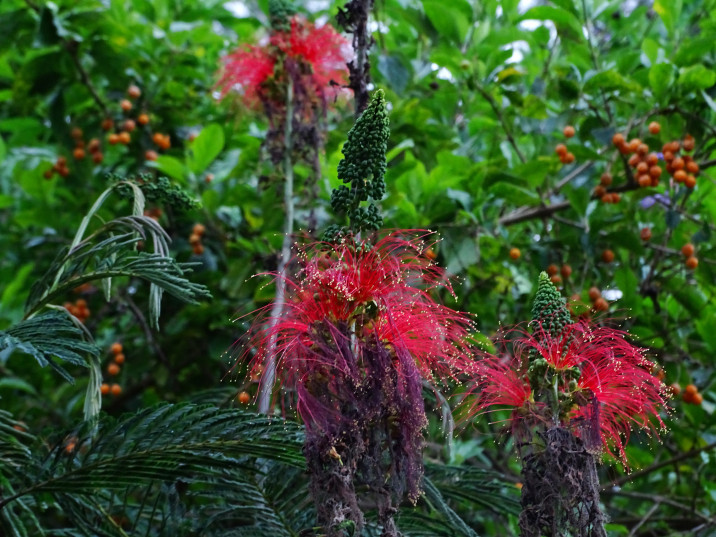
Calliandra calothyrsus
Red Calliandra
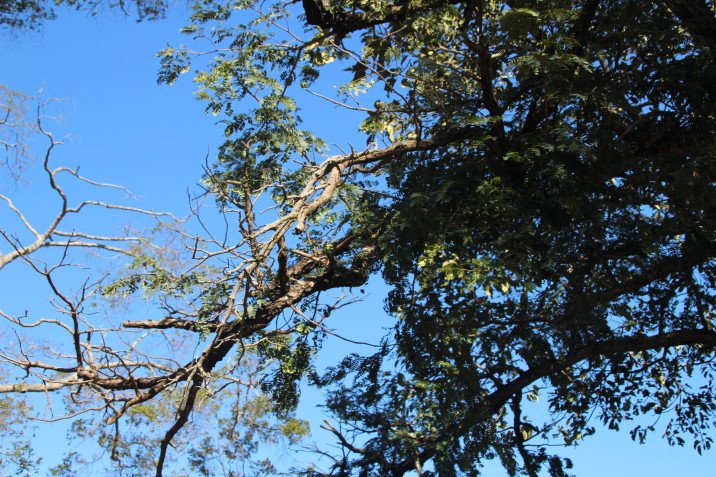
Albizia coriaria
Flat-crown albizia
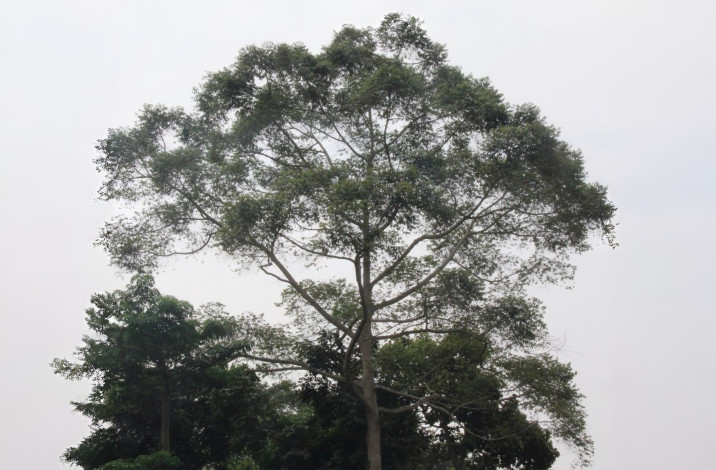
Maesopsis eminii
African mahogany
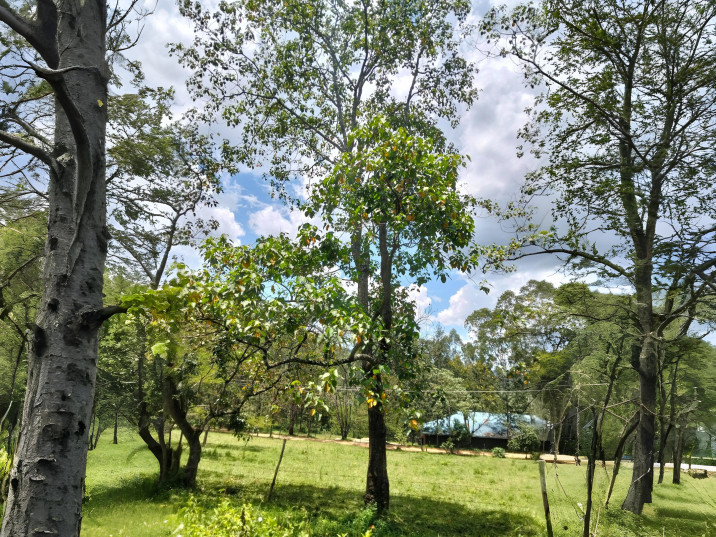
Croton macrostachyus
Woodland croton
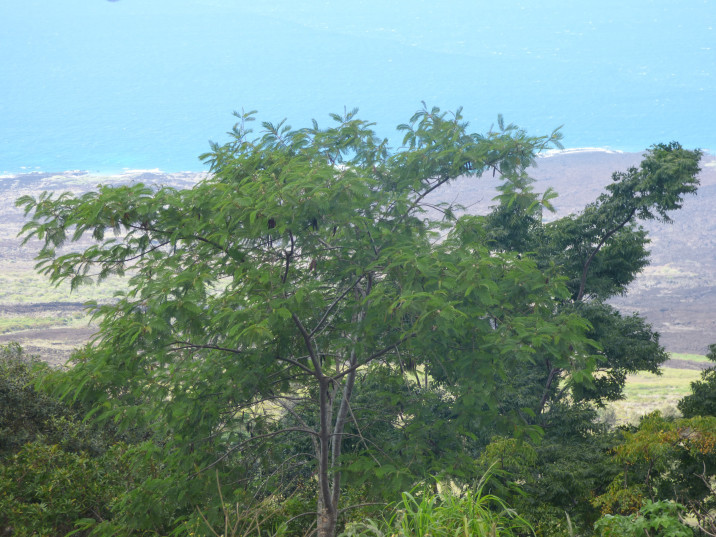
Leucaena diversifolia
Lead tree
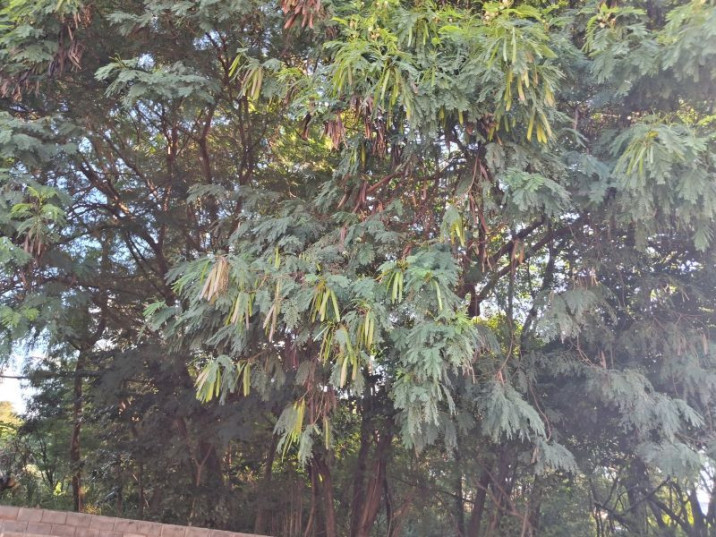
Leucaena leucocephala
Leucaena
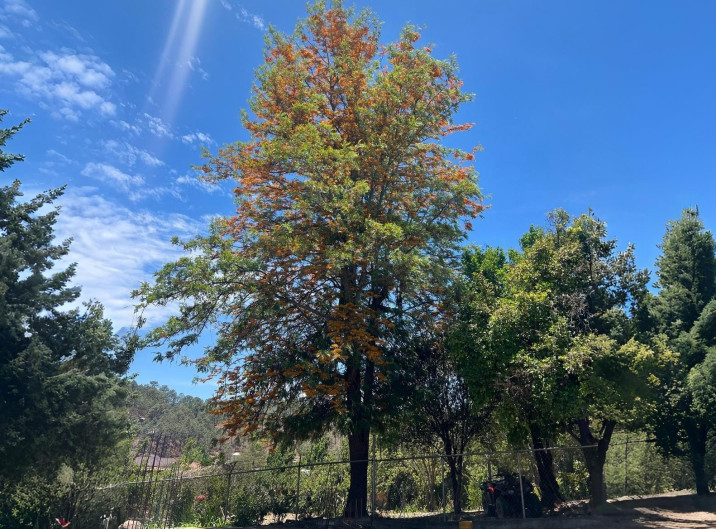
Grevillea robusta
Silky Oak
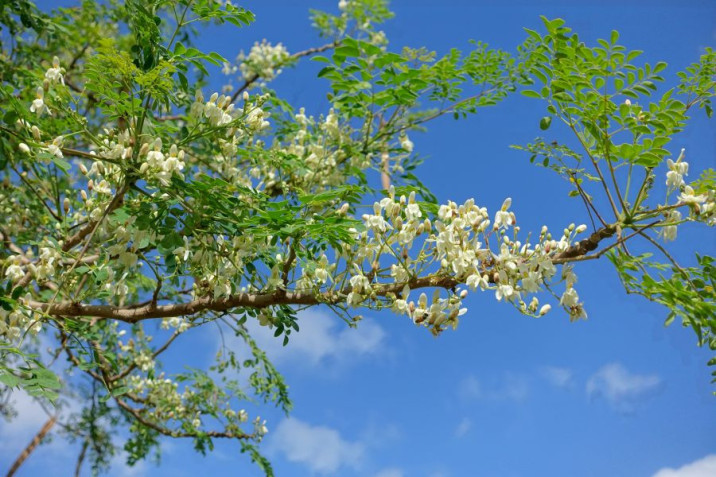
Moringa oleifera
Moringa
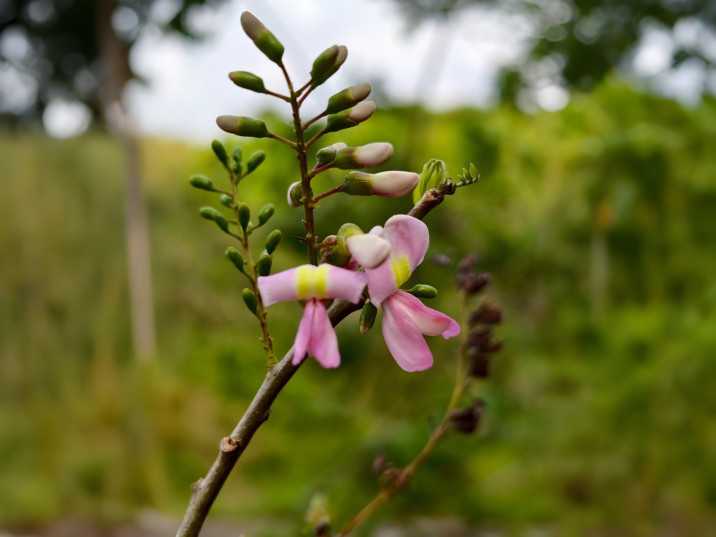
Gliricidia sepium
Madre De Cacao
Fruit and medicinal species
These trees produce the most delicious fruits or very useful ingredients for cosmetic and medicinal purposes.
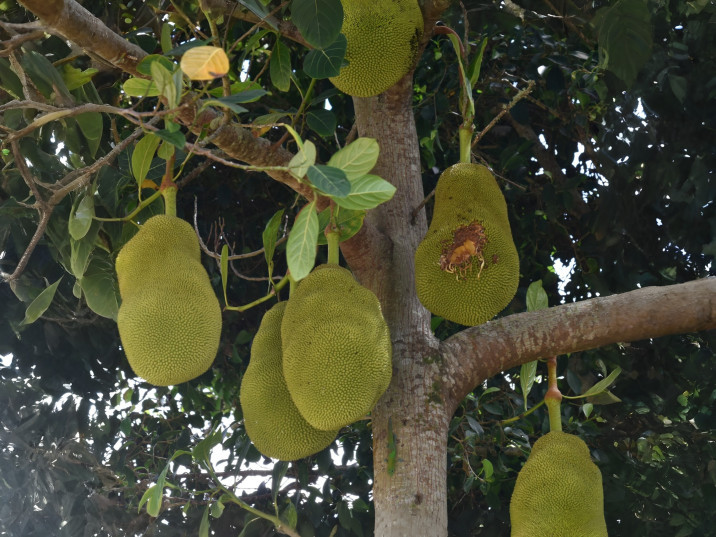
Artocarpus heterophyllus
Jackfruit
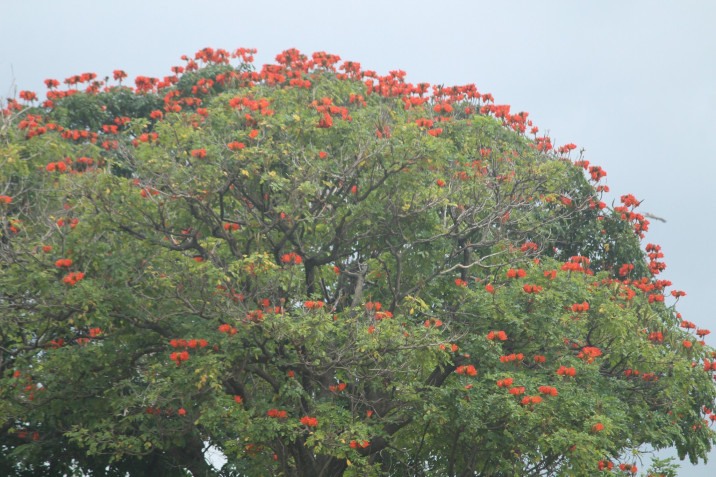
Spathodea campanulata
African Tulip Tree
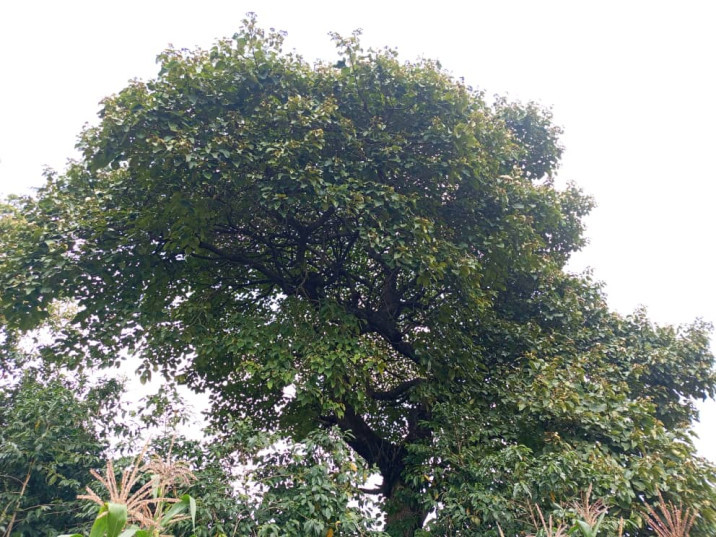
Cordia africana
Large-leaved Cordia
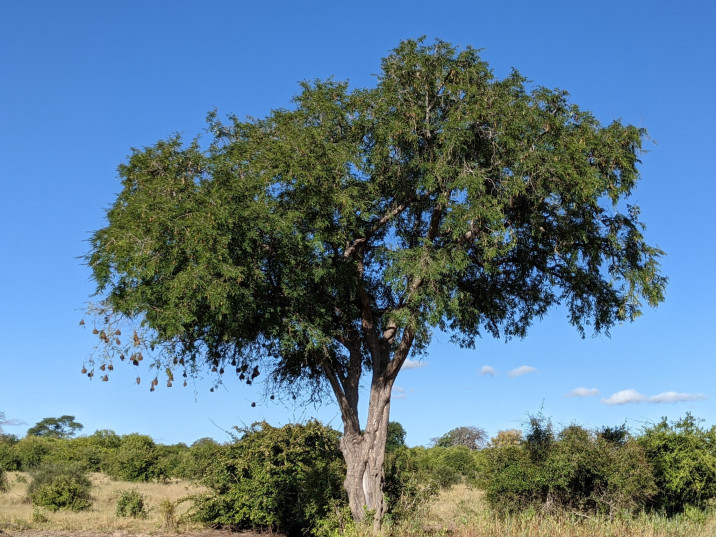
Tamarindus indica
Tamarind
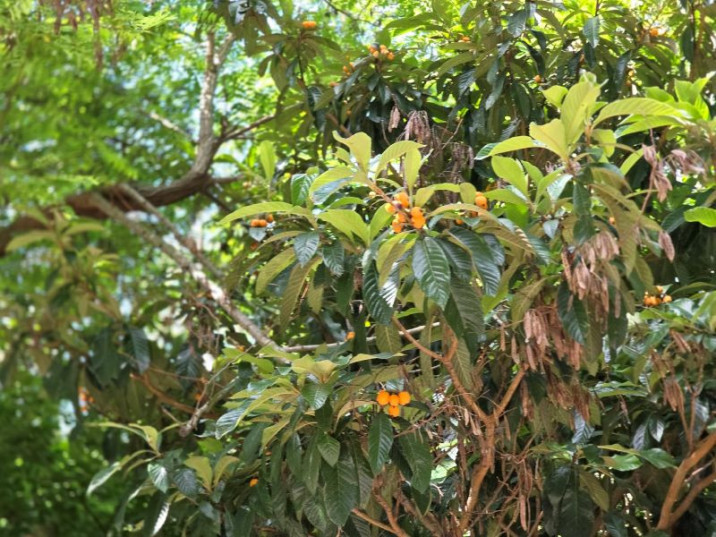
Eriobotrya japonica
Loquat
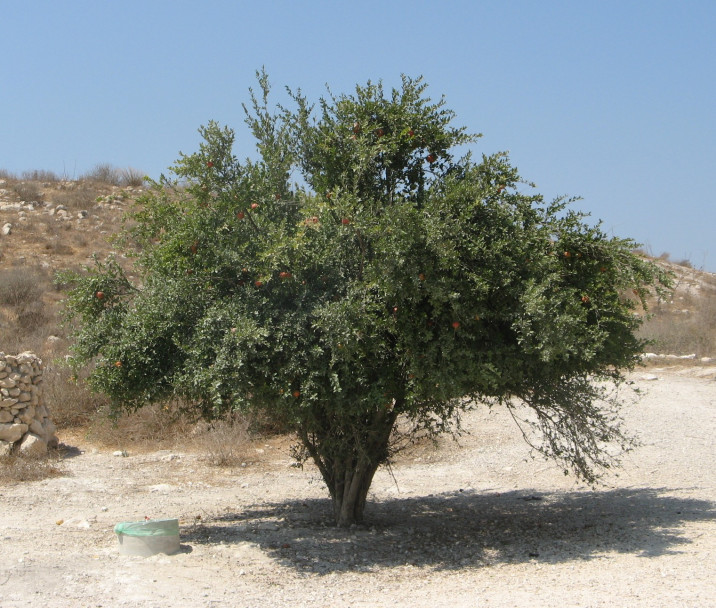
Punica granatum
Pomegranate
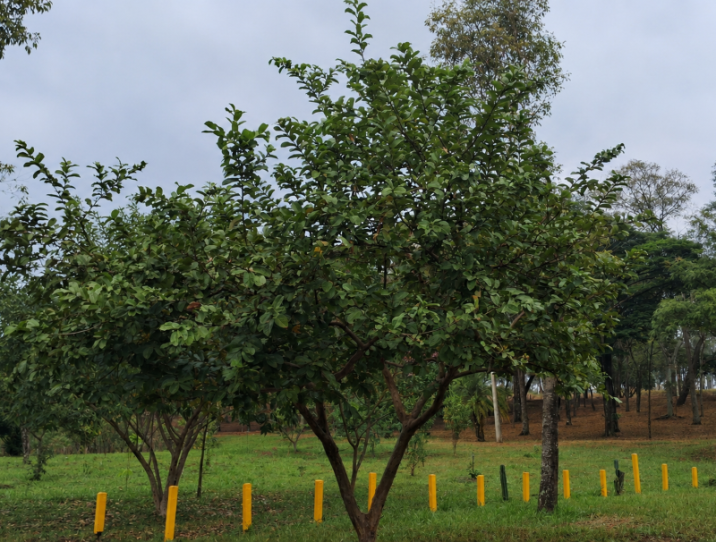
Psidium guajava
Guava
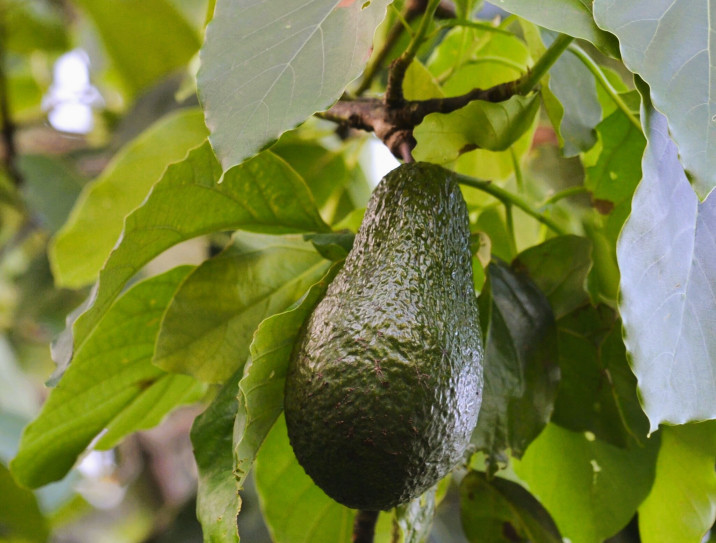
Persea americana
Avocado
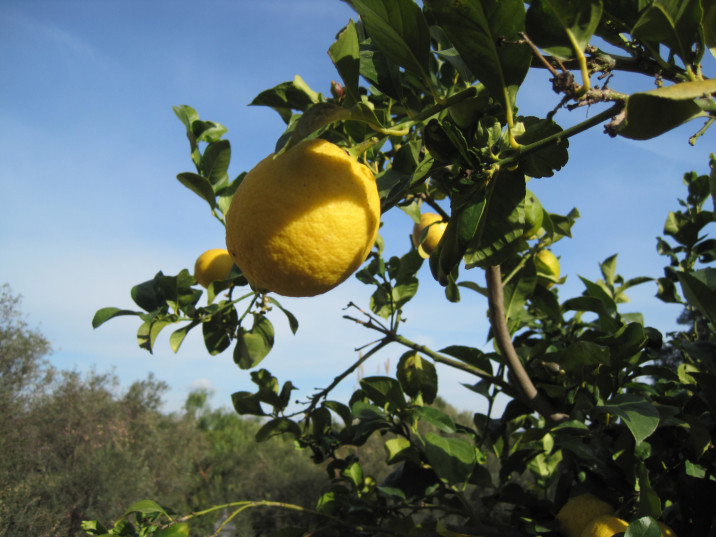
Citrus limon
Lemon
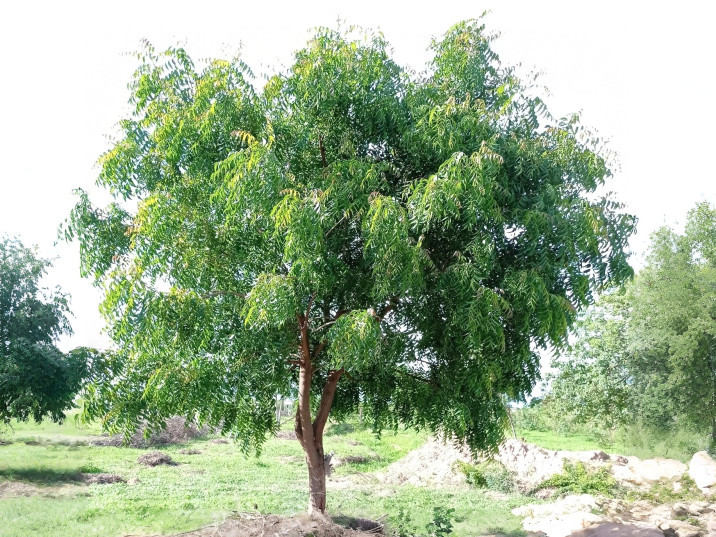
Azadirachta indica
Neem tree
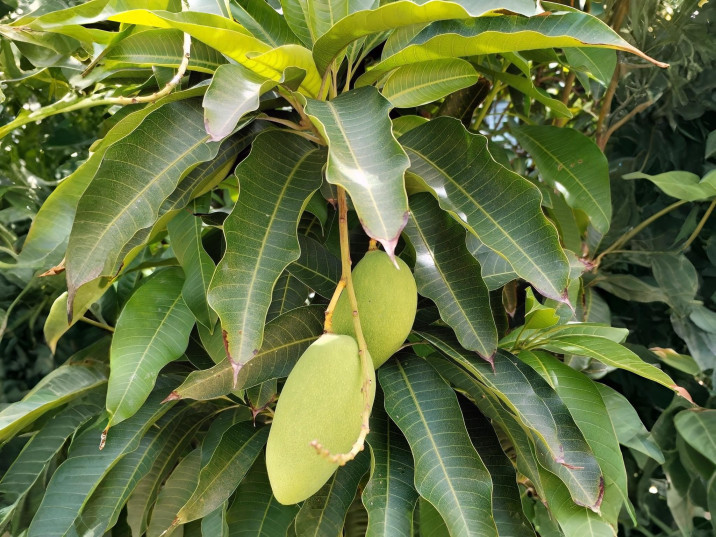
Mangifera indica
Mango tree
Rare and magnificent species
Some trees impress by their sheer size or longevity, while others hold their particular beauty from their inner fight against the threats of extinction that loom upon them.
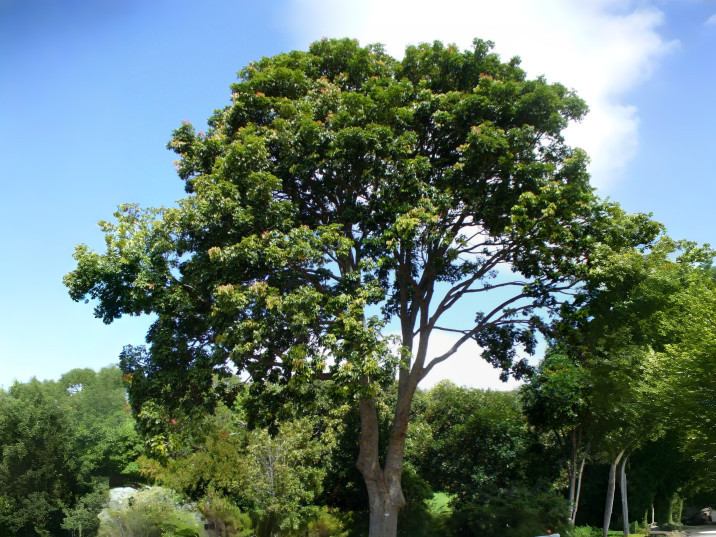
Khaya anthotheca
East African Mahogany
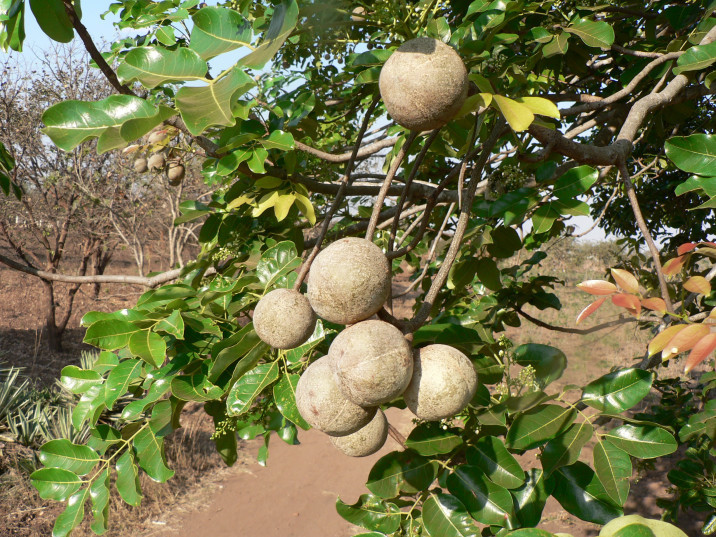
Khaya senegalensis
African Mahogany
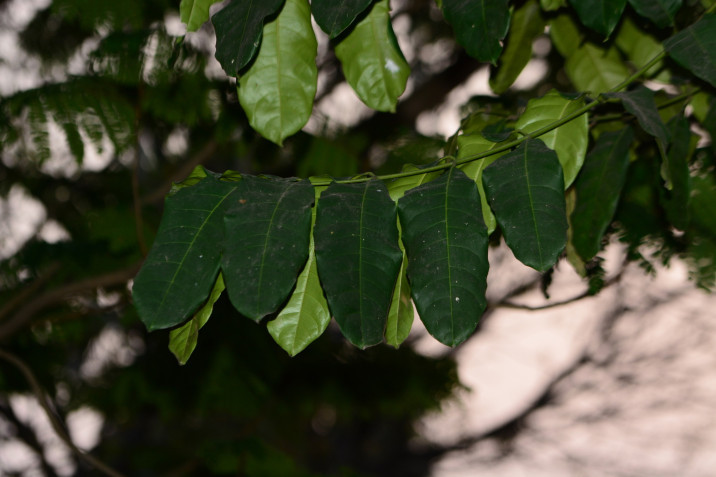
Khaya grandifoliola
African mahogany
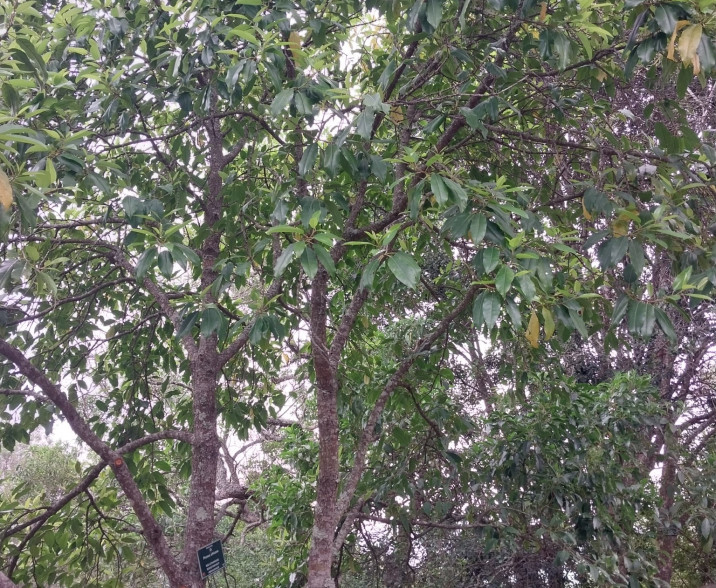
Prunus africana
African Cherry
VAT will be added at checkout if applicable