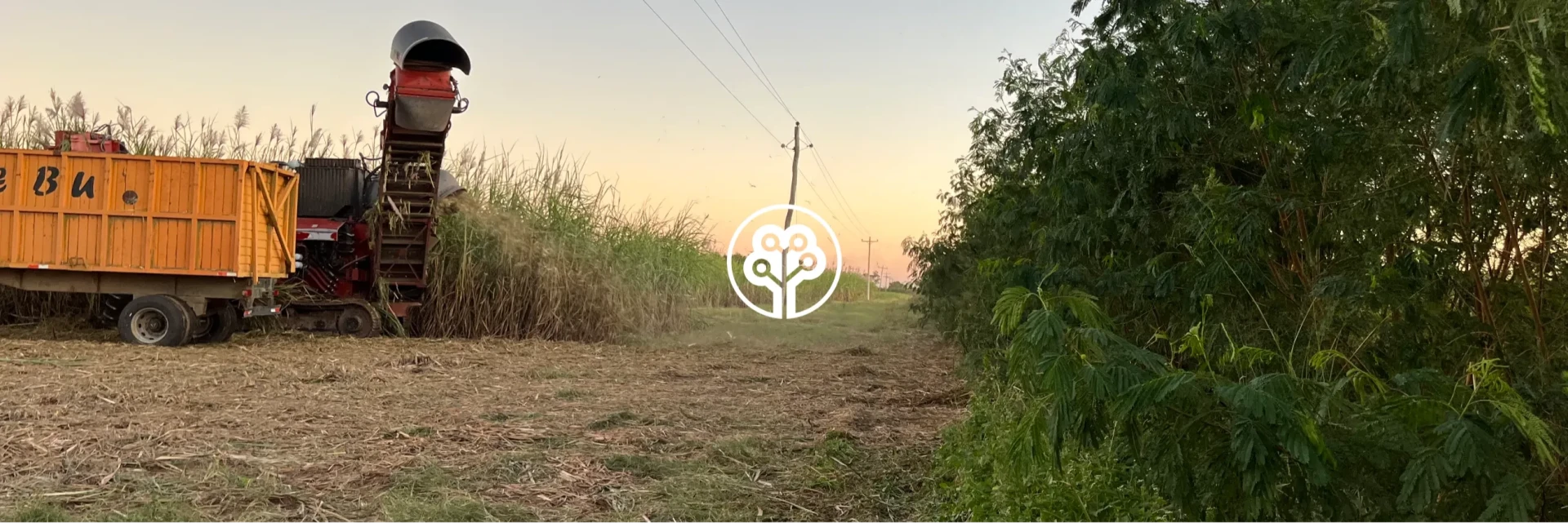

Three new planting sites have been launched in Bolivia under the Amazon Windshields project. This initiative combines tree planting with agroforestry practices to address deforestation in the Bolivian Amazon while improving agricultural productivity. By planting tree windshields between fields, the project supports wildlife corridors, protects soils, and helps farmers grow more on less land.
Why this project matters
Large areas of the Bolivian Amazon are being cleared for agriculture, putting pressure on forests, biodiversity, water systems, and local communities. While farming is often associated with deforestation, agriculture and conservation do not have to be in conflict. Innovative land-use approaches are essential to reduce forest loss while maintaining food production and rural livelihoods.
Tree windshields—also known as windbreaks—offer a practical solution. When planted between fields, they reduce wind erosion, improve soil fertility, enhance water retention, and create connected habitats for wildlife, all while increasing crop yields and lowering the need for further land clearing.
This project focuses on:
- Combating deforestation by integrating trees into agricultural landscapes through agroforestry systems.
- Improving wildlife corridors and biodiversity, supporting native species and ecological connectivity.
- Enhancing agricultural productivity, helping farmers increase yields on existing land.
- Restoring soil and water systems, reducing erosion and improving local microclimates.
The objective
The Amazon Windshields project aims to plant 84,000 trees across three new sites, expanding a proven agroforestry model that aligns farming with forest conservation. Native tree species are planted in hedges between fields, forming a grid that strengthens ecosystems while increasing the long-term value of agricultural land.
Farmers receive continuous technical support for planting, maintenance, and monitoring, ensuring healthy tree growth and effective integration with crops. This approach has already helped increase farming yields, reduce forest fires, and improve carbon, water, and biodiversity outcomes.
By restoring degraded land, strengthening wildlife corridors, and supporting sustainable agriculture, this project contributes to a resilient Amazon landscape that benefits both nature and local communities.