
Cashew Products
by Davia M. Dombro
Amazonia Reforestation has 350 hectares or 865 acres of cashew trees under cultivation (24,000 trees). Some of those trees are now in their 4th year. Usually, cashew trees become commercial in their 5th year from planting and on average go on to have a productive life of 35 years, after which they can still be harvested for wood. Each tree will have 20 kg or 44 lbs of nuts per year, which means 1 metric ton per hectare per year.
We only use organic fertilizers and pest controls to produce cashews. The difference is easy to detect in the exceptional flavor of our nuts once roasted. Nuts that do not meet marketing standards can be used to produce cashew oil, which has a very high value.
The fruits can be eaten fresh, juiced, dried as fruit leather or chopped and dried like raisins. One glass of cashew juice has double the vitamin C of orange juice. An extract makes one of the best natural cough syrups in the world. This means that cashew trees offer multiple revenue streams and investors can double their money in just 6 years.
FENI OR CAJÚ ANYONE?
One of the best value-added solutions, when you have a mountain of fruit that can go bad, is to make wine or liquor. In the case of cashew fruits they are easy to ferment into a wine, after which the wine can be distilled, producing a popular drink in Asia called Feni or Cajú.
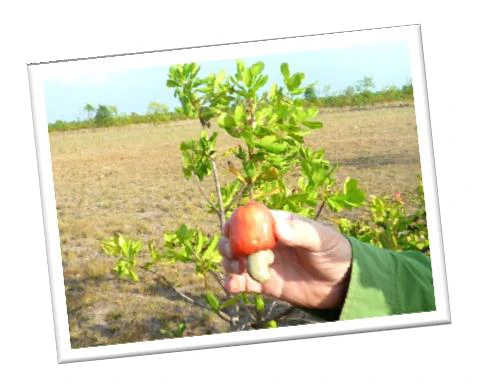
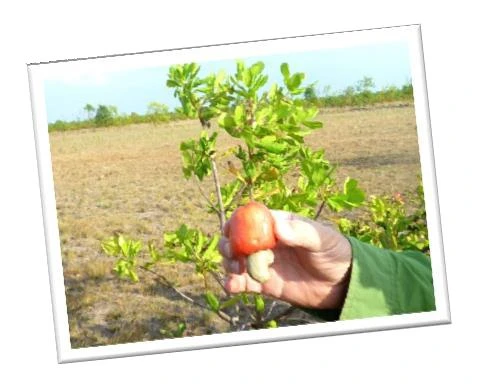
Anacardium occidentale is the scientific name for the cashew tree. It is native to the Orinoco River basin and therefore well adapted to local conditions. The tree produces fruits and nuts, both of which have markets. Some commercial production will start in 2015 at La Pedregoza.


