
Tree Species
by Dexter B. Dombro
Jatropha curcas
La Pedregoza presently has 13 hectares (32 acres) of Jatropha curcas under cultivation. This tree has caused a lot of excitement and investigation around the world, because of its oil bearing seeds. Working with the technical assistance of Agrocombustibles de Colombia S.A.S., Amazonia Reforestation is hoping to become self-sufficient in biodiesel in the near future. While standard cultivations can produce some 1.6 metric tons of oil per hectare, we are hoping that with better practices we can boost that number to 2.5 metric tons of oil per hectare. Jatropha curcas oil is extracted from the seeds using a press screw, much like how virgin olive oil is extracted. The oil can be used with only a little refining as biodiesel, but it can also be used as a potent organic insecticide or fungicide. The mash left over from the oil extraction process (fruits and seeds) can be composted to create an excellent organic fertilizer very rich in phosphorus and potassium. There is inexpensive home or farm refining equipment available that can be used to make the biodiesel.
Simarouba amara
Simarrú, a native tree species, came to our attention last year. We established a 1 hectare test plot and so far the results have been excellent. The tree has a long history of use for carpentry and fine wood finishes in the region and even has historic European markets. However, keeping with our philosophy of not cutting in natural forests, Amazonia Reforestation is one of the first plantations to cultivate the species. One of the factors that make Simarrú interesting is its apparent fast growth, which means it could be a viable alternative to introduced species like Acacia mangium. The wood is easy to work, with a relatively low density of .3, but perhaps even more interesting is the fact it is termite resistant, hence the amara in the scientific name, which means bitter.
Acosmium nitens
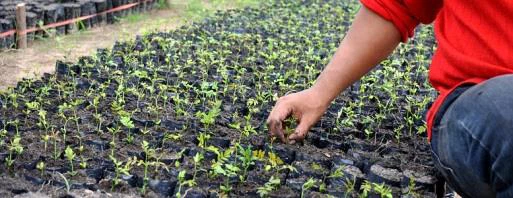
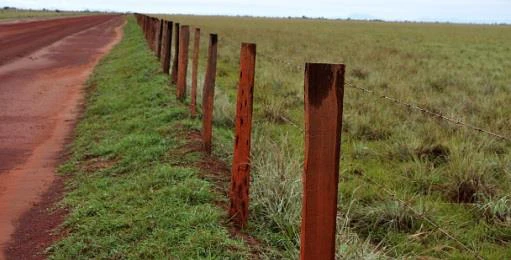
Back in 2009 we established a small test plot with Congrio or Acosmium nitens in an inundation zone, as it appeared to be native to flood zones. Since then we have learned that it actually grows well in areas with good drainage, and that it seems to do well in plantation settings. The tree is very important, because it has dense, termite and rot resistant wood and is therefore ideal for heavy construction, 30 year fence posts, docks, bridges and other uses where it is in direct contact with the soil or wet conditions. This year our NGO is doing a project with the Wildlife Conservation Society (WCS) and Ecopetrol, Colombia’s largest oil company. This involves planting native tree corridors in the protected river basin of the Río Bita, with the primary focus of the project being the Congrio. Unfortunately, the species is under threat due to a lot of illegal logging for fence posts. We plan to cultivate the species, to become a seed bank for Congrio and to benefit from the species reasonably fast growth and high commercial value.
Copaifera pubiflora
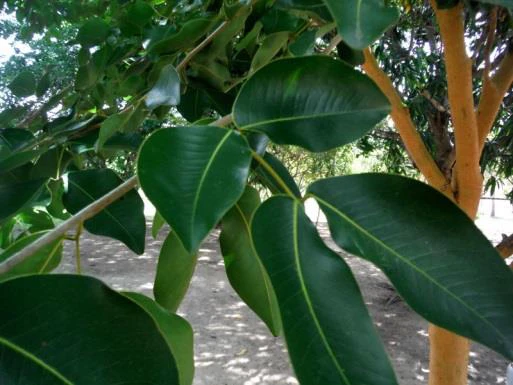
Also known as the Aceite or Oil tree, this native species is very beautiful and seems to be able to grow both in the inundation forest, as well as in areas with good drainage. It has a distinctive yellow bark, which makes it stand out in the rainforest. The tree is a fine lumber tree, but perhaps most interesting is the fact it has a long history of medicinal use. It has been the subject of numerous studies in recent years, due to the oil is produces. The Aceite oil is ideal for biofuel and can be tapped from the tree much in the way a maple tree is tapped in Canada. One of the things we have noticed at La Pedregoza is that the tree has a rapid growth rate, which makes it a good candidate for plantation use and a possible replacement for introduced species like Eucalyptus pellita.
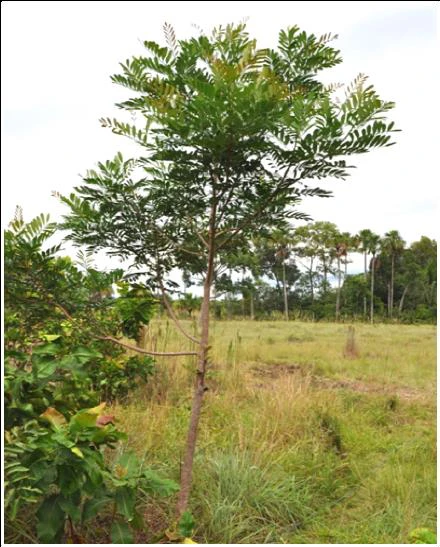
One year old Simarouba amara tree in Vichada.
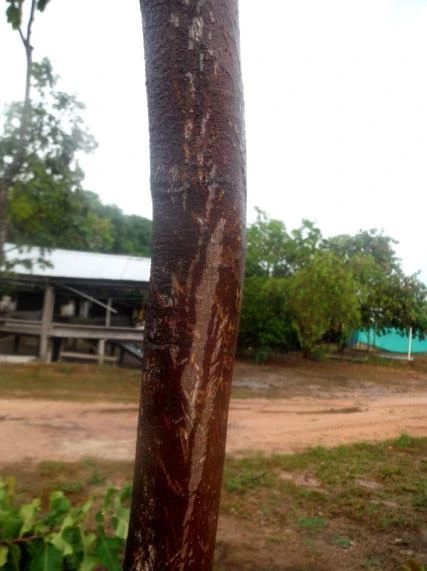
3 year old Congrio trunk at La Pedregoza.
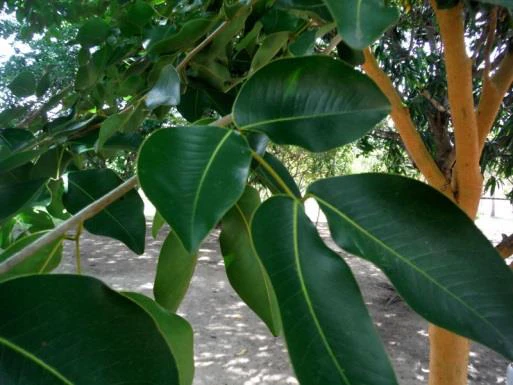
4 year old Aceite tree growing at La Pedregoza.


