
Planting a tree in Africa means beyond conserving environment for clean air and other ecological benefits. Being a traditional habit planting instructions and directives do not require so much effort. For instance, when visiting peasants it is more common for one to find new growing trees in every rain season in farming fields. Species may differ in benefits to beneficiaries however they largely make huge difference in local economic perspective.
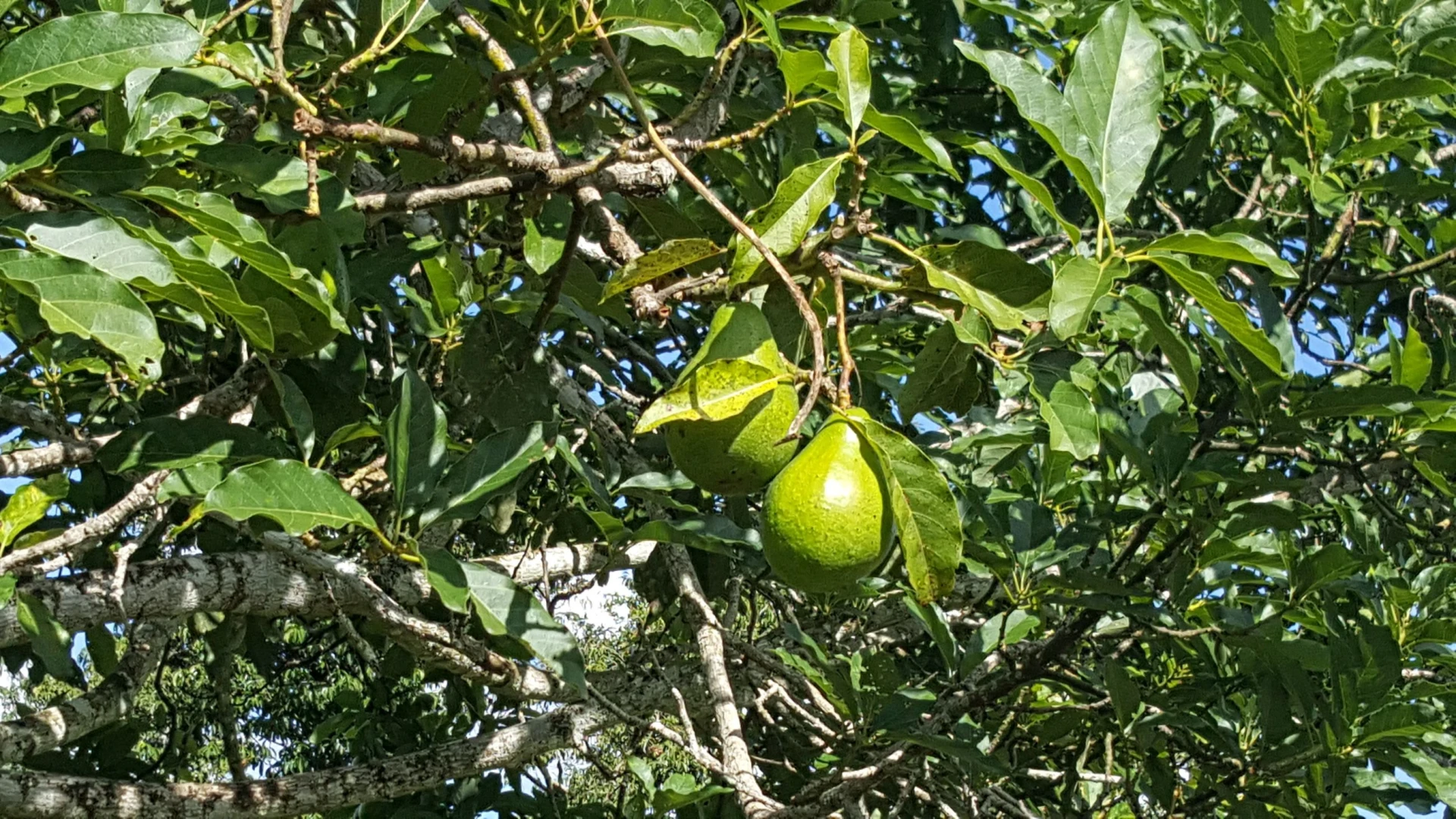
Persia americana or avocado tree dominates most of the Tanzanian higher lands. It is planted by most residents in the Eastern Arc mountains which stretches from the southern regions of Mbeya, Njombe, Iringa, Morogoro through the Usambaras to Kilimanjaro and Arusha. With its growing economic impact, the needs for its products sprang up its production in many of these regions.
Planting a tree of this species literary means covering a half of the fuel wood need for a medium sized family from pruned branches. In the first 3 to 4 years of production an estimate of 120 to 250 fruits produced per a season (two seasons in a year) will enable payment for secondary school fees for a student in a public school (Current market statistics). The same tree’s canopy in agroforest will assist up to six square meters shading for other non-sun loving crops like coffee.
Planting at least ten avocado trees will help a family of between six and eight people to cover school fees and expenses for three secondary school students and purchase enough food for six months in one season. Quality fruits of this species are highly marketable not only in the local cities but also across the boundaries especially in the neighbor countries where agriculture faces notable challenges.
This planting for both utilization and conservation is the best remedy to intensive deforestation as a result of fuel wood harvesting due to higher growing population. Excessive soil erosion in these sloppy farming may be controlled which will result into improved food productivity and food security in peasants’ areas.


