
As horticulture takes its pace these days the countryside farmers of Tanzania consider this form of agriculture an opportunity to graduation from poverty. Most parts of the East coast Tanzania support cultivation of different vegetables and fruits. The raising national and international demand for horticultural products from Tanzania has awaken many families which now shifted from depending on the routine cereal only production. This traditional production consumed much time and resources before gifting farmers with less than expected.
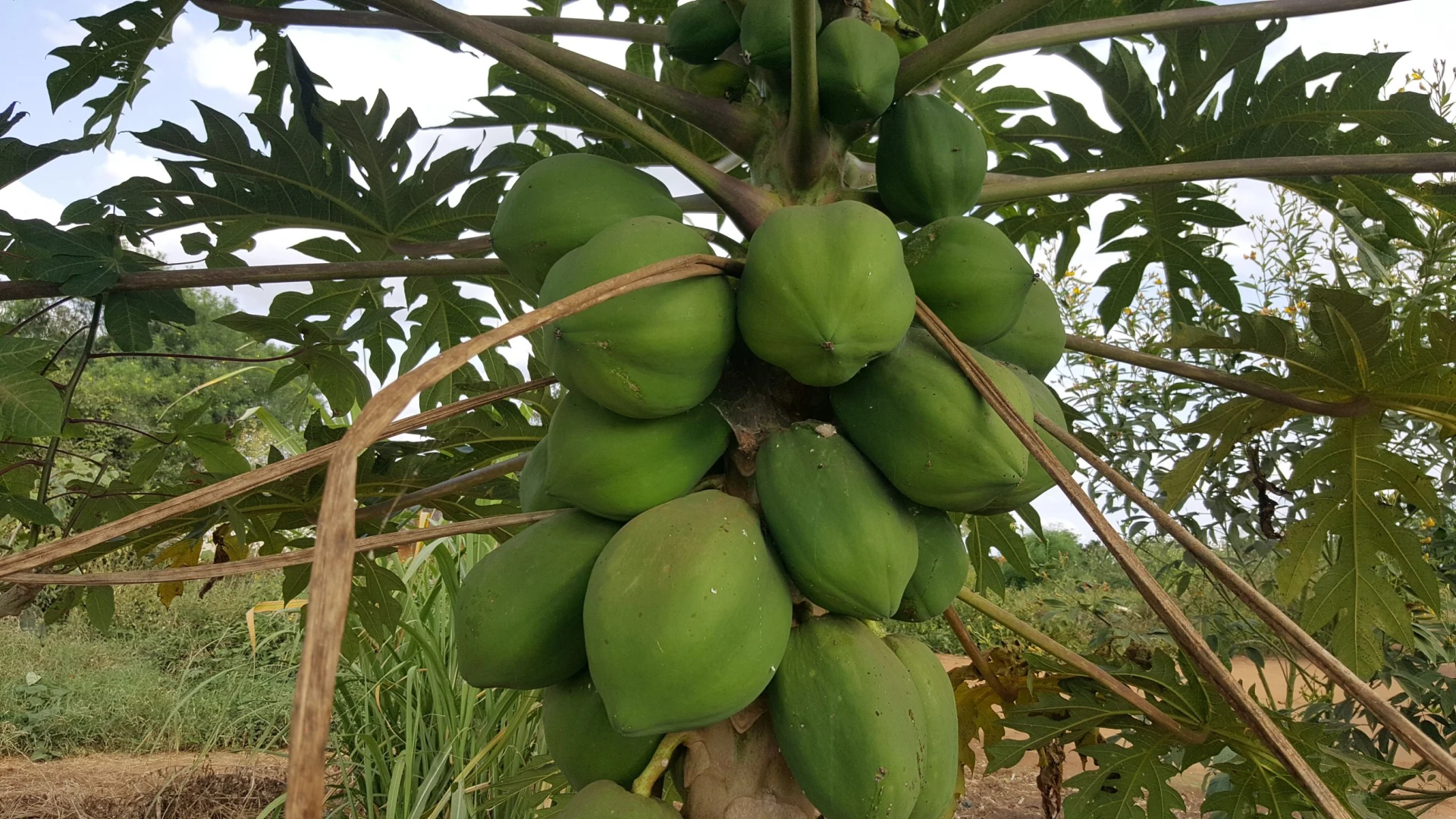
One of the fruits doing better in the region is papaya which produces up to 50 fruits in its first round of production. Following the current market price for a normal sized papaya (1kg to 1.5kg) which is between 1500/= to 2000/= a farmer may earn an average of 75,000/= to 100,000/= (Equivalent to USD 37 to USD 50). This amount is quite enough to pay for annual school fees and other contributions for an advanced secondary school student. In the same perspective a farmer with at least 50 trees at the same level of production will earn a minimum of 4,375,000/= in the first round. Four harvests of the same quantity are enough for a homeless village farmer in Tanzania to construct a mid-sized house with electricity.
Onions, tomatoes, okra and other easily perishable vegetables have unstable prices however the internal market in towns and cities is still rewarding. In town markets a kilogram for onion stands at 2,500/= to 3,000/=. Selling 40 kg of onions equivalent to five buckets of 10 liters (full of onions) covers all necessary contributions for a high school student in Tanzania. The timing of tomato production can have a tremendous impact to the profit a farmer can earn. At lower production season a bucket of twenty liters full of tomatoes is sold up to 45,000/=. Eventually it would need only three buckets of tomatoes for school fees of an advanced student to be covered.
However small scaled this cultivation is, there still looks a way through for the poor farmers to make it.


