
Subsistence farming is considered to be a backbone of the Tanzanian economy since more than 75% of the country population rely on that. Being a developing country, Tanzania is one of the African countries whose agriculture is prone to numerous challenges including limited access to reliable markets, quality maintenance, climatic reasons, poor storage systems and facilities, capital shortage and policies etc.
Despite such challenges, there are notable chances for farmers to thrive. Most of the cities especially Dar es Salaam, Arusha, Tanga, Nairobi, Kampala and Mwanza heavily depend on food produced by these countryside peasants. Extra market opportunities can be exploited in other neighboring countries where local agricultural production is frequently affected by extreme weathers and political instabilities.
With daily increase for such critical needs in these cities, farmers in Tanzania would expect to have been squeezed to an edge of extreme poverty line.
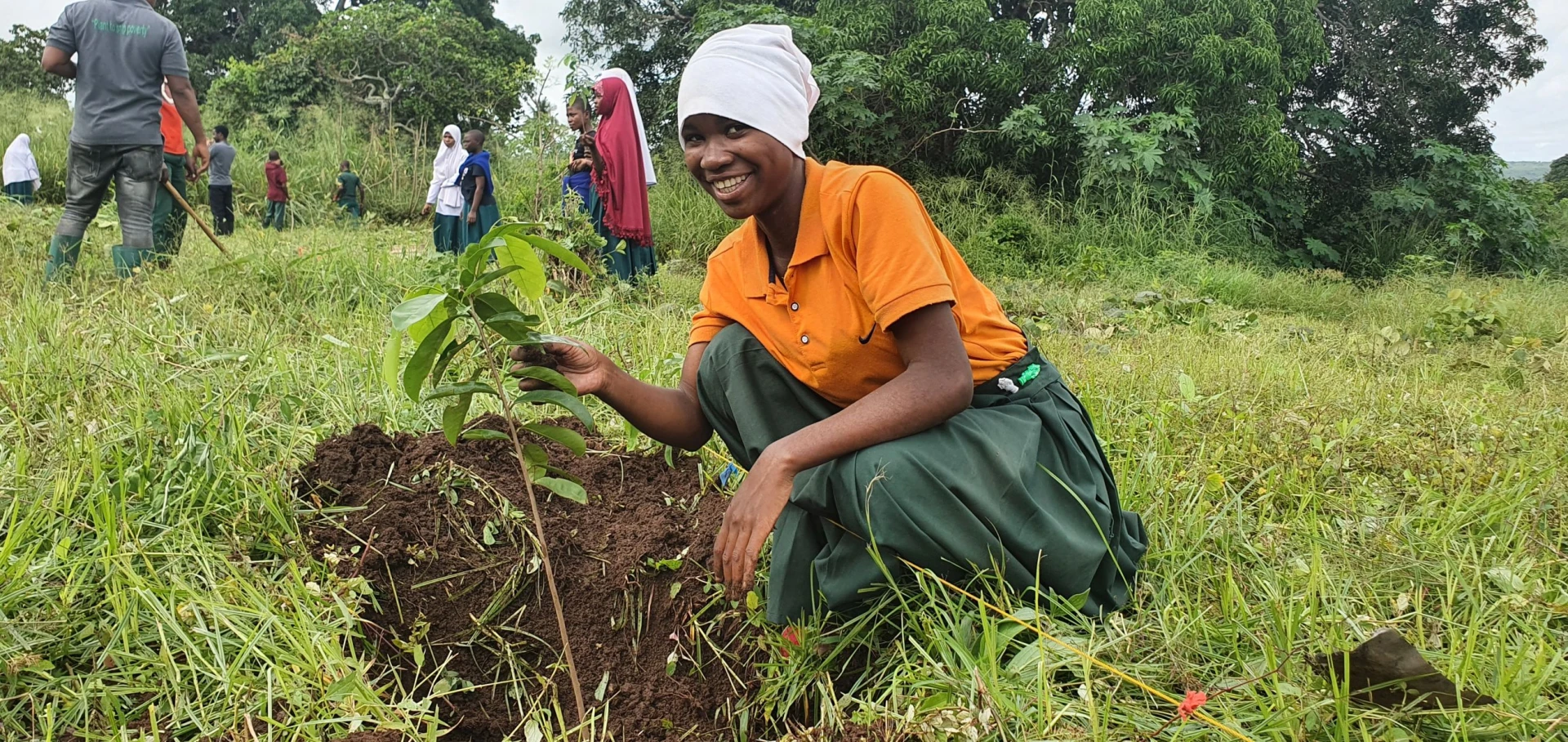
Supporting tree planting activities for these farmers in Tanzania means something beyond environmental protection. For instance, a fruit tree does not just provide clean air to breath or assist soil nutrients fixation, it acts as an important lever towards social economic prosperity in these communities.
In regions like southern higher lands, Kilimanjaro and Arusha avocado plays an important role in people’s daily lives.
Below are three reasons why farmers in Tanzania should be supported to include avocado trees in their primary farming pieces.
Health benefits of avocados
Undernutrition is still a serious problem in Tanzania, the percentage of acute malnutrition appears to be the highest. 450,000 children in the country are estimated to be underfed and more than 100,000 suffering from severe acute malnutrition. (AAH & IRIS, 2017).
Being rich in vitamin E, vitamin K, vitamin A, vitamin C, vitamin B6, vitamin B1, vitamin B2, dietary fibers, monosaturated fats etc. a nutrients’ combination rarely found in other individual tropical fruits may provide a solution to this human development challenge. Avocado tree is reasonably easy and cheap to raise across the country and it takes an average of three to four years for the first fruit to be picked.
Economic benefits of avocados
In its first 3 years of production an avocado tree can produce maximum 200 fruits in a year, a farmer with at least 10 avocado trees beginning to produce is likely to earn 1,000,000/= an amount enough to cover school needs and expenses for 2 children in a public secondary school in a year, yet cover a basic an annual health insurance for a family of 5 with the same income. Avocado has a notable market demand all over Africa since it fairly grows in a few countries. A few trees combined in agroforest land portion can uplift the farmers in less than a decade.
Ecological benefits of avocados in agroforestry
Like any other flowering perennial plants, avocado may host a number of insects, birds, molluscas, reptiles and mammals (especially bats). The nectary flowers attract bees important for Apiculture which in turn makes a good business for the farmers.
Since its non-allelopathic (a selfish behavior in plants), avocado can be included with other annual crops in agroforests without any damage.
AVOCADO TREE RAISING COST.
Many species of avocado in the higher lands proved to be pest and diseases resistant cutting down most of the maintaining costs. Since rainfall is reliable in many places where it grows, a farmer will experience the least when taking care of a newly planted tree. When included in agroforest land pieces, weeding will eventually include other crops and therefore more costs pressed down. When other factors including proximity and transport are fairly retained a sapling can be produced and raised at less than USD 20 before it starts to produce.


