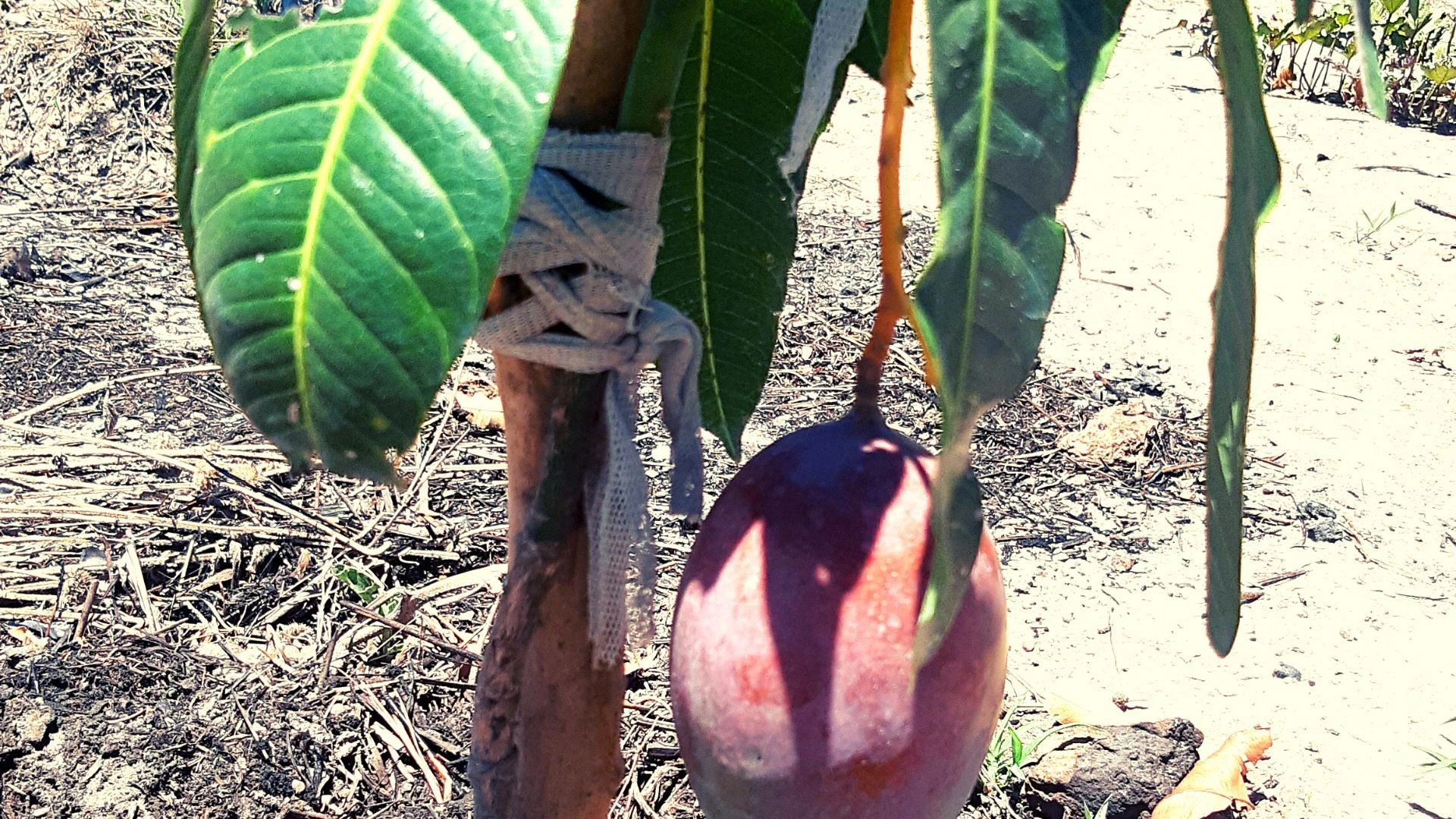

Seeds with hard shells take a bit of time before they sprout out to make new trees. To shorten the process foresters and agroforests use various techniques such as Nicking, hot and cold water soaking. Natural mango germination normally delays, this simple step guide on how to easily assist mango seed germination. It can be applied for practical purposes during construction of backyard gardens or simple to medium agroforests. Something important to remember during the process is that mango seeds fall in two categories, monembryonic and polyembryonic. Monembryonic seeds are those with single embryo which normally produce only one sapling. Contrary to monembroynic, Polyembryonic have more than one embryo which are duplicates of the parent except for one. The different embryo will always germinate and sprout first before the others. As it is sometimes difficult to identify which one came first, the easiest way to determine is by assessing their physical viabilities.
Requirements
- Mango seeds
- Water
- Strong scissors or Knife
- Paper towels or any equivalent
- Water container.
- Soil
- Plastic bag.
Steps to follow
- Collect mango seeds from any of their source i.e., fruits or dimpled seeds. Make sure the seed are in good/ health state.
- Clean the seed shells.
- Carefully cut the edge of the seed shell to open and remove the seed. Be precautious not to damage the soft seed inside.
- A membrane like coat (normally brown in color) may be found wrapping the seed, get it softly removed.
- Soak the seeds in water for 24 hours. Ideally, a bucket full or a washing basin can be used depending on the number of seeds available.
- Moisturize the towel. Make sure it is moist throughout, but not soaking wet. Wrap the seed in the paper towel.
- Place the seeds and paper towel inside a plastic bag, and store the seed in a warm place.
- Monitor the seed’s progress every few days, watching for sprouts. Germination time will depend on air temperature and the mango’s ripeness when the seed was extracted.
- Plant the seed in potting soil, making sure not to cover the new leaves.
- You should see a set of true leaves showing and significant growth within a week.
- Keep in mind that you may have to step up the young tree into a larger pot over time as it grows large enough to plant in the ground.
For the case of polyembryonic seed the different clone can either be kept that to produce a new cultivar or get rid of it in order to ensure the tree is a clone of the parent and will produce identical fruit. However, the embryos can still be separated before germinating the seed to have two plants.


