
As our team went through a year end review of the sacred seeds project and our future goals it was hard to hold down our excitement over the universal value this place has to us all. Sacred seeds as a project is so much more than the face value reforestation and preservation of rare and medicinal species. There are so many potential directions that defining the priority task at hand is not always easy. What does saving a plant mean really? Is it enough to simply have it exist even without the traditional knowledge that empowers it, or do we have the responsibility of protecting that understanding as well? The team was unanimous when asked, the preservation of traditional and cultural use was as important as the garden itself, without the knowledge, what good is the plant?
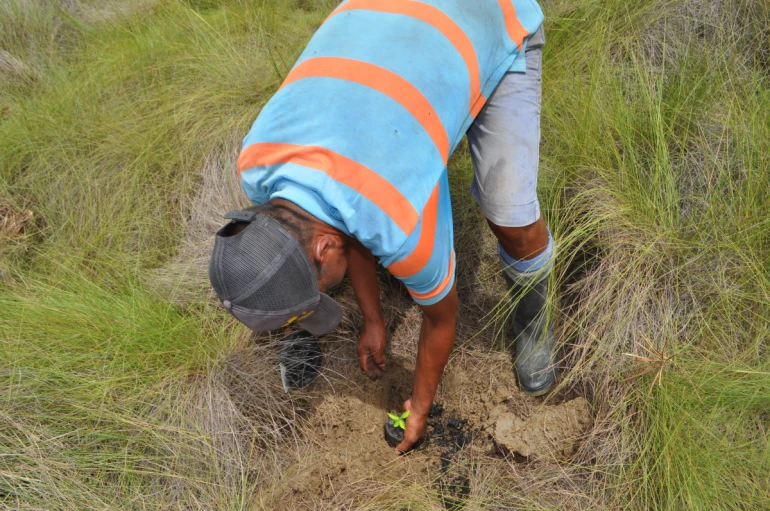
Currently, most of our focus is on creating very modern technical data on the plant’s germination and growth in restoration environments. How do they germinate? How much water does it take?
Do the seeds require a heat shock? What about a digestive enzyme? Are intensive techniques required for each seed like scarring or abrasion of the shell? The variety of germination requirements alone can be staggering. Temperature
needs, moisture and nutrient requirements, soil quality, compaction, light exposure and many other factors that alter with every single species we take on, it can be a challenge that involves years of study, data and careful
balances for unexpected variables like heat waves and drought and flood.
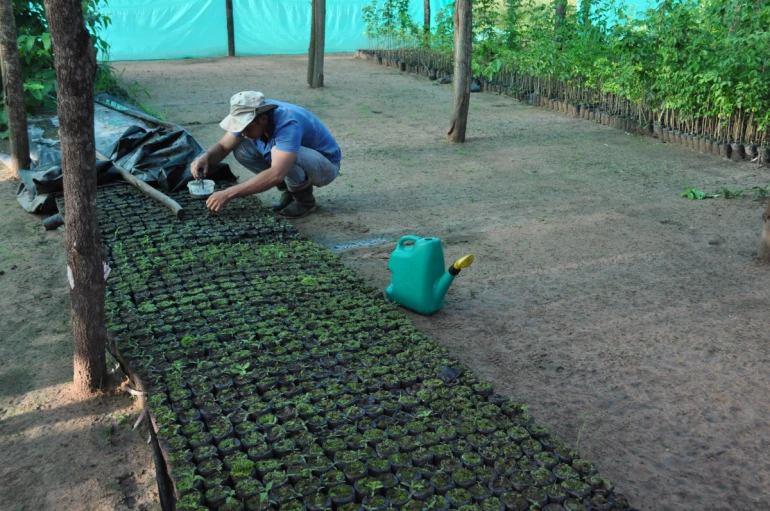
Once the plant is understood at that initial technical level, from seed to sprout, sapling and tree, it is still really only the beginning of the sacred journey here. Is it medicinal? What parts are medicinal? Is the potency altered by season? Temperature? Location and rainfall? Are there toxins? How is the medicine used traditionally? Is it brewed? Dried? Roasted? Fresh? Protection and preservation of this knowledge is a major next step for the Sacred Seeds garden. Connecting with indigenous and elder populations who still retain the ancient knowledge and forming a new, accessible database of these long standing techniques. Without the ability to safely and properly use the plants we all agreed that simply restoring them is not enough.
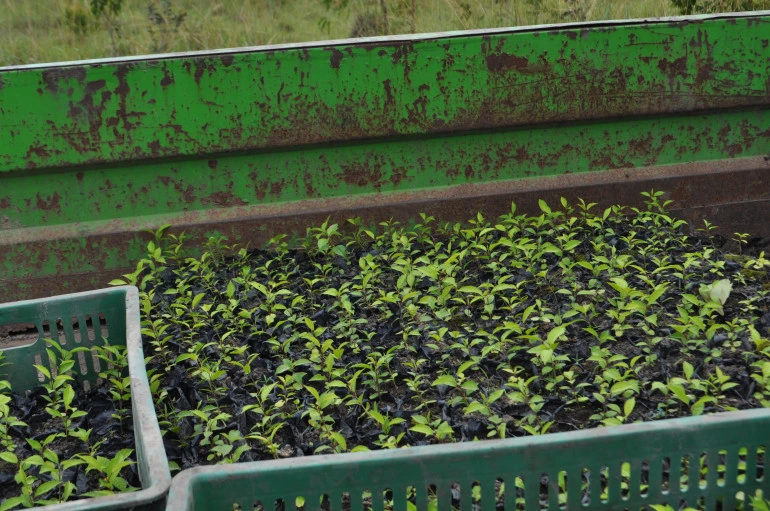
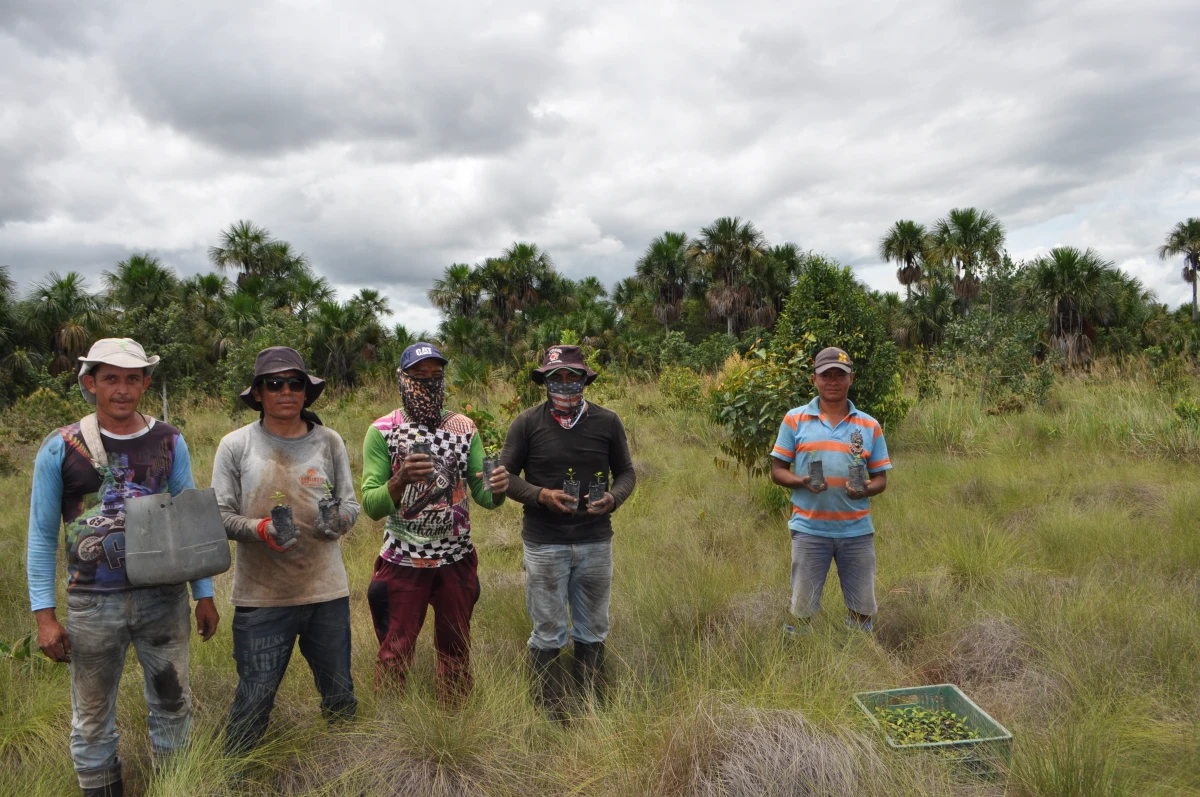
Vitex orinocensis on the way to the field for planting.
From a solid foundation of sacred knowledge and traditional medicine we are keen to expand access to this garden and return to allowing large school groups and public visitors entry again, something COVID has kept on lock down for the entire year now. Better
pathways, better signage and other important improvements to help our future visitors and guests to learn, connect with, and understand these unique and special sacred spaces on earth. Access to this information through publications or perhaps educational apps also seems like a worthy venture. Each of the species planted here will
go on to provide so much more to the world and region and we are as always extremely happy to be a part of the sacred journey with you. Sincere blessings to you and your family in 2022 from all of us at the Sacred Seeds Garden.