
The Muraria River is a significant watercourse that runs through the eastern part of the Aberdare Forest in Kenya. It is one of the major tributaries of the Tana River, which is the longest river in Kenya and an important source of water for the country's agricultural and industrial sectors. The Muraria River originates from the eastern slopes of the Aberdare Range and flows through dense bamboo forests and indigenous tree plantations before joining the Tana River.
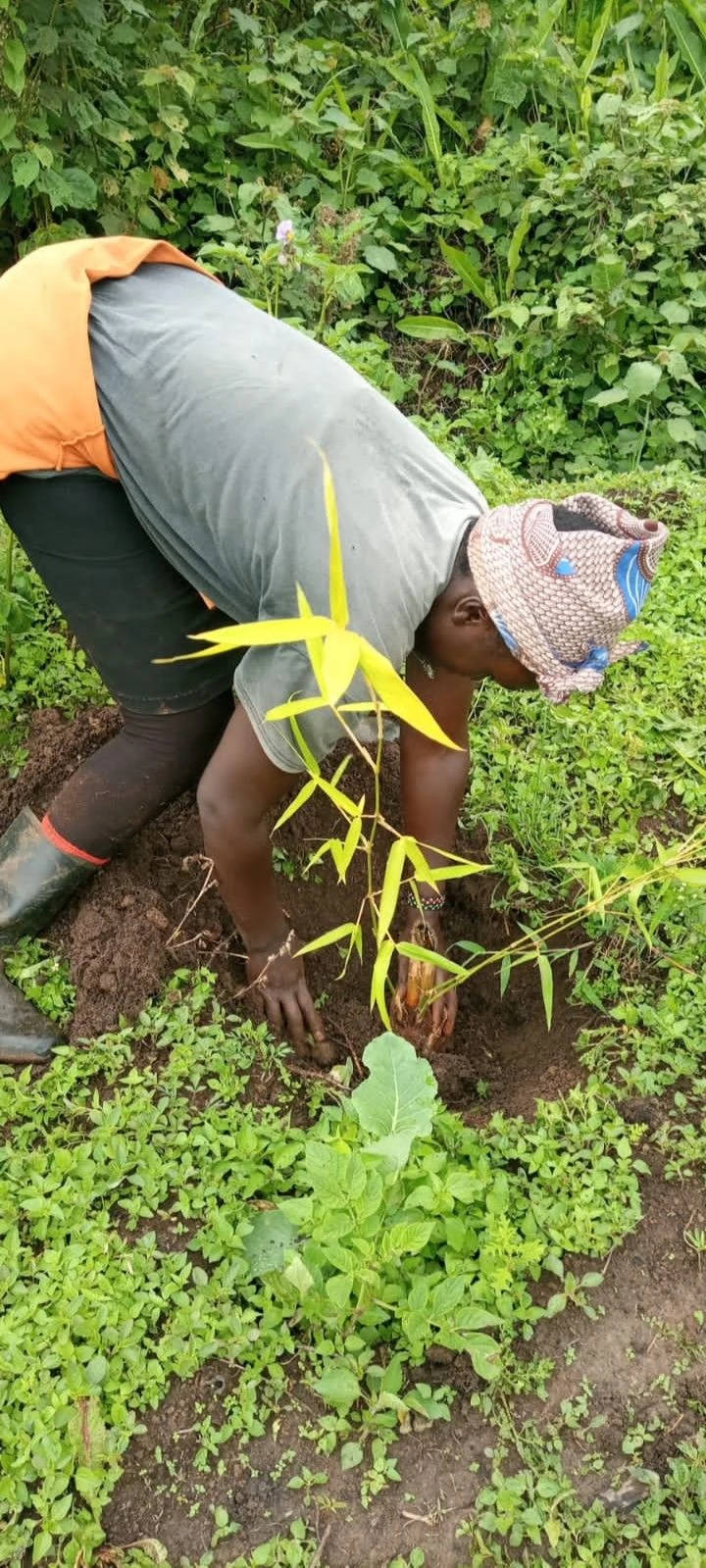
It is located in Kabage forest where Kiangure Springs Environment Initiative is adopting a site through Through the generous support of Tree Nation .During this Moth of May 2023,we have planted 250 bamboo seedlings along the river catchment.
The Muraria River plays a crucial role in the ecological and hydrological functioning of the Aberdare Forest ecosystem. It supports a diverse range of aquatic and terrestrial species and provides water for downstream communities. However, like other rivers in the area, the Muraria River is under threat from various human activities, including deforestation, agricultural expansion, and illegal logging. These activities contribute to soil erosion, sedimentation, and water pollution, affecting the river's water quality and quantity.
To address these challenges, various conservation and restoration initiatives have been undertaken in the Muraria River catchment area. These include:
Reforestation and bamboo planting: Reforestation programs have been implemented to restore degraded areas in the catchment. In particular, bamboo planting has been promoted due to its ability to stabilize soil, regulate water flow, and provide habitat for biodiversity.
Watershed management: Watershed management practices, such as terracing and contouring, have been introduced to reduce soil erosion and sedimentation in the river.
Sustainable agriculture: Programs promoting sustainable agricultural practices, such as agroforestry and conservation agriculture, have been implemented to reduce the impact of agricultural activities on the river.
Community participation: Engaging local communities in conservation efforts is critical to the success of restoration initiatives. Local communities have been involved in reforestation, riverbank stabilization, and other conservation activities, promoting their ownership and long-term sustainability.
Monitoring and research: Monitoring water quality, river flow, and biodiversity is crucial to track the progress of conservation efforts and inform future decision-making.
The Muraria River is an important natural resource that requires sustained conservation efforts to ensure its ecological and socio-economic benefits are realized in the long-term
Bamboo plays a significant role in catchment conservation in the Aberdare Forest of Kenya. The Aberdare Forest is a vital water catchment area that supplies water to Nairobi, Kenya's capital city, and other surrounding regions. Here's how bamboo contributes to catchment conservation in this area:
Soil erosion control: Bamboo has an extensive root system that helps stabilize soil on steep slopes. Its roots bind the soil, preventing erosion caused by heavy rainfall. In the Aberdare Forest, where the terrain is often hilly and prone to erosion, bamboo plays a crucial role in maintaining soil stability and preventing sedimentation in water bodies.
Water regulation: Bamboo plants have high water absorption capabilities. They can efficiently capture and store water during the rainy season and release it slowly during dry periods. This capacity helps regulate water flow in streams and rivers within the catchment area, ensuring a consistent water supply throughout the year.
Streambank protection: Bamboo's dense root network and robust growth help protect streambanks from erosion. By growing along riverbanks, bamboo acts as a buffer, preventing soil erosion and reducing sedimentation in water bodies. It helps maintain the integrity of stream ecosystems, contributing to improved water quality.
Biodiversity conservation: Bamboo forests in the Aberdare catchment area provide habitat for various plant and animal species. They serve as important corridors for wildlife movement and promote biodiversity conservation. Protecting and restoring bamboo habitats in the Aberdare Forest contributes to the overall health and resilience of the ecosystem.
Carbon sequestration: Bamboo is known for its fast growth and high carbon sequestration capacity. It absorbs significant amounts of carbon dioxide from the atmosphere, helping mitigate climate change. By planting bamboo in the Aberdare Forest, carbon dioxide emissions can be reduced, contributing to global efforts to combat climate change.
Sustainable livelihoods: Bamboo can also provide sustainable livelihood opportunities for local communities living in and around the Aberdare Forest. It can be harvested for various purposes, including construction, furniture, crafts, and charcoal production. By promoting sustainable bamboo management practices, communities can benefit economically while ensuring the long-term conservation of the catchment area.
To maximize the benefits of bamboo in catchment conservation, it is important to implement proper management practices, including controlling invasive species, monitoring bamboo growth, and promoting sustainable harvesting methods. Additionally, community engagement and awareness programs are essential to ensure the participation and support of local communities in the conservation efforts.
We sincerely Thank Tree Nation and all our donors for continued support. ASANTE SANA


