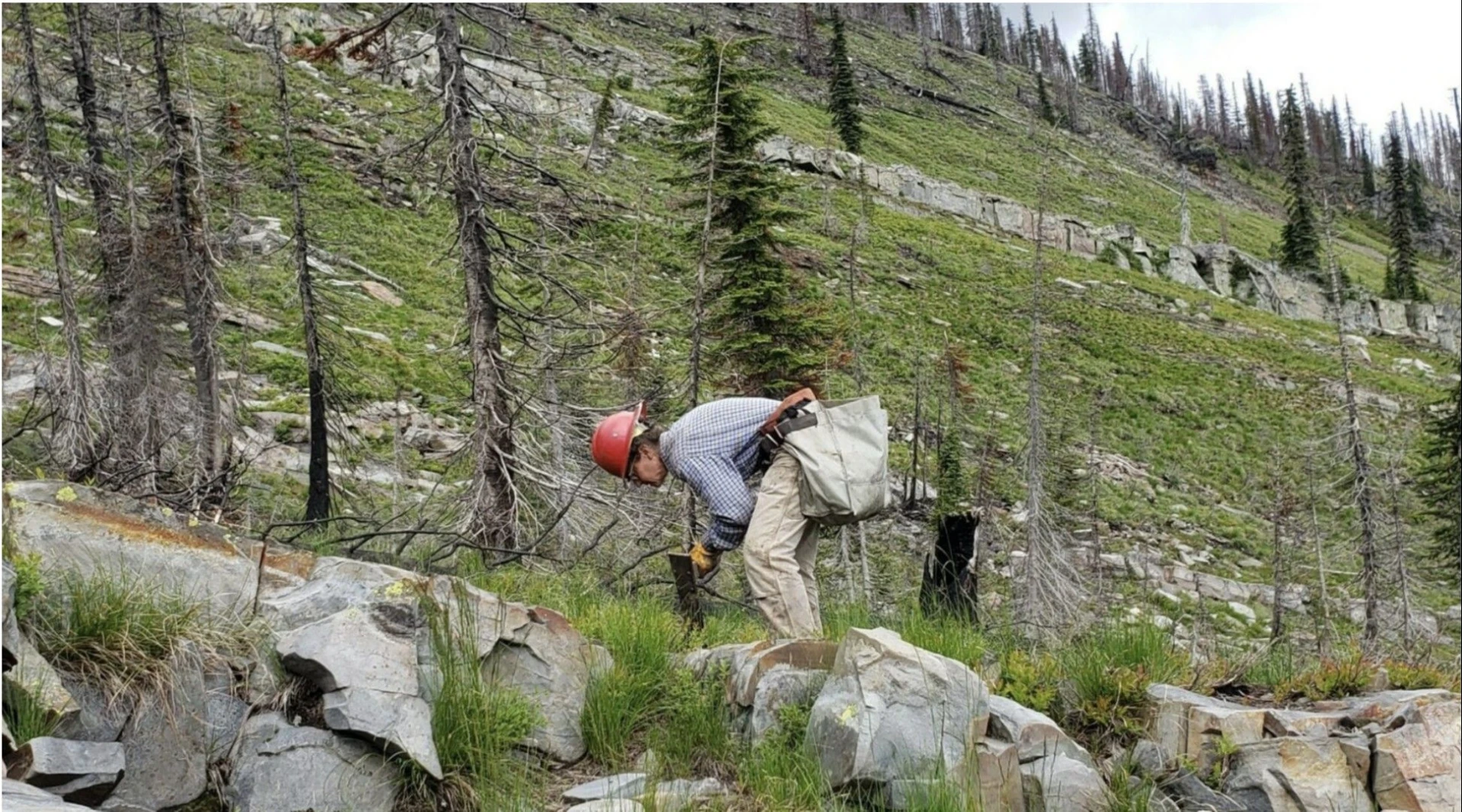

Bark beetles, tiny insects native to the US, play a vital role in maintaining healthy conifer forests. However, climate change is driving their population to uncontrollable levels, leading to extensive tree loss and affecting wildlife habitat, watersheds, and regional economies. Warmer, drier conditions and drought weaken trees' natural defenses, making them more susceptible to bark beetle infestations.
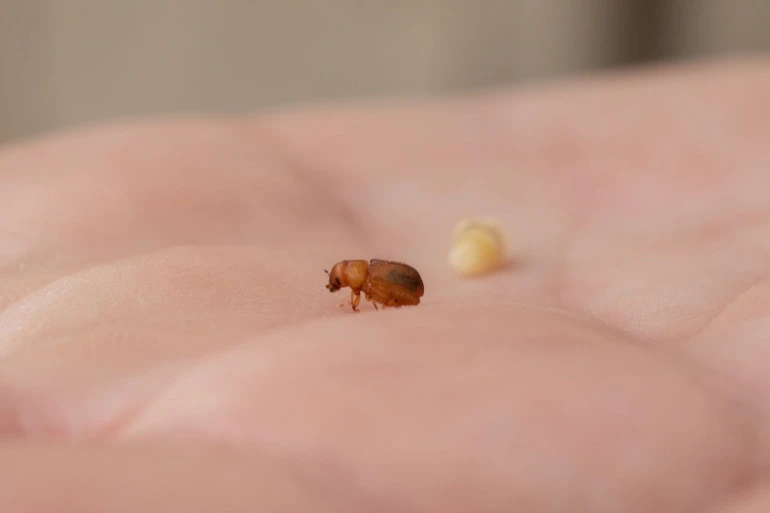
Over the past 20 years, bark beetles have devastated more than 59 million acres of forests in the West and caused significant damage in the South. Dead and dying trees left behind by the beetles increase the risk of wildfires, although this risk depends on various factors, including the outbreak's severity, tree moisture, and wind.
Reforestation efforts offer hope in addressing the aftermath of bark beetle outbreaks. Each year, we plant trees in severely affected areas, totaling over a million trees over the past decade. We also collaborate with the US Forest Service and local partners on projects such as the Wilder-Highlands Pine Beetle Response Project in Colorado.
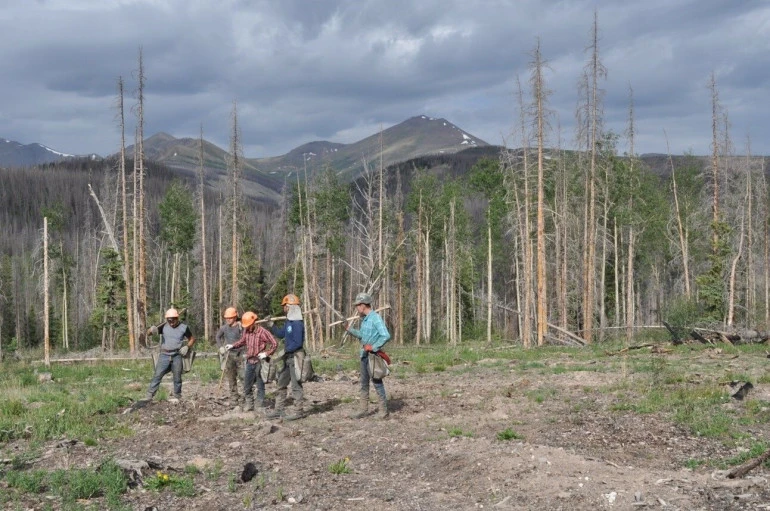
Restoring forests through tree planting is crucial for wildlife habitat, watershed health, and recreational quality. These reforestation projects aim to combat the effects of bark beetles and restore the health of our forests.


