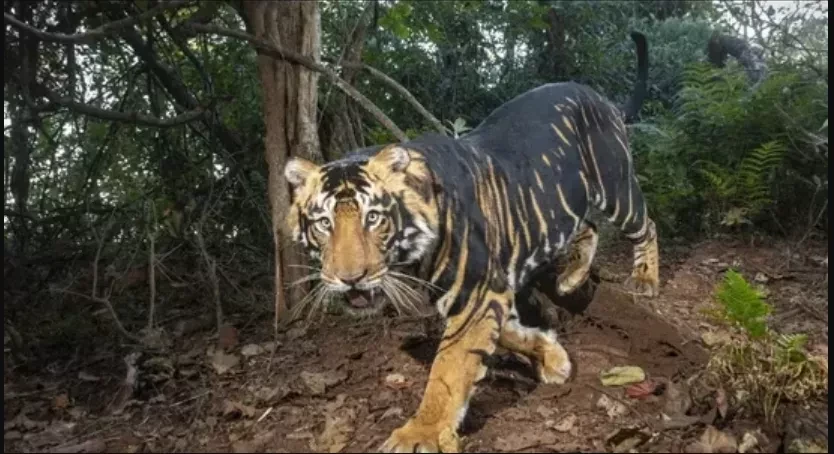

Melanistic tigers, also known as black tigers, are a rare and captivating variation of the Tiger species. These tigers have a genetic condition called melanism, which causes an excess of dark pigment in their fur. As a result, their fur appears black, making them stand out from their orange and white counterparts.
While melanistic tigers may seem mysterious and elusive, they possess the same physical characteristics and behaviors as other tigers. They are powerful, agile and play a crucial role in maintaining the balance of their ecosystems.
Simlipal Tiger Reserve, nestled in the heart of Odisha, India, is not only renowned for its lush forests and diverse wildlife but also for being home to a rare and captivating sight the melanistic tigers. These majestic creatures, with their striking black fur, add an air of mystery and allure to the already enchanting landscapes of Simlipal. The presence of melanistic tigers in Simlipal highlights the importance of preserving and protecting this unique ecosystem.
Efforts such as anti-poaching measures, habitat restoration, and community involvement play a crucial role in safeguarding the future of the melanistic tigers in Simlipal. Melanistic tigers are important as they contribute to the biodiversity of the tiger population. Their unique genetic makeup adds to the overall genetic diversity within the species, which is crucial for its long-term survival and adaptability to changing environments. Melanistic tigers serve as an emblem of conservation efforts. Their rarity and beauty draw attention to the importance of protecting their habitats and preserving the delicate balance of ecosystems where they reside.
By conserving these habitats, we not only safeguard the melanistic tigers but also protect countless other species that depend on the same ecosystems for their survival. The presence of melanistic tigers in Simlipal helps to promote tourism and raise awareness about the need for wildlife conservation. People from all over the world are fascinated by the sight of these magnificent creatures, and their presence can attract visitors to the region. This in turn, can generate revenue for local communities and create incentives for the conservation of the tiger habitat.
Forests are extremely important for melanistic tigers as they provide them with ample prey which are essential for their diet and energy needs. They offer the perfect habitat for melanistic tigers to thrive. The dense vegetation and ample cover allow them to camouflage effectively, making it easier for them to hunt and avoid potential threats.
Forests also provide shelter and protection for tigers, allowing them to rest and raise their cubs in a safe environment. They help regulate temperature, retain water, and prevent soil erosion, creating a suitable environment for the tiger’s prey and ensuring a healthy ecosystem. That’s why it’s essential to conserve and protect forests, by preserving forests, we can ensure the survival of melanistic tigers and other wildlife species that rely on these habitats.
To help protect melanistic tigers and their habitats, plantation initiatives are crucial. Planting trees and restoring forest areas can create a suitable environment for these tigers to thrive.
Overall, melanistic tigers play a vital role in the ecological, cultural, and economic aspects of the regions where they are found. Their existence reminds us of the incredible diversity of nature and the importance of preserving it for future generations to appreciate and cherish.
Comments (2)
Leave a comment