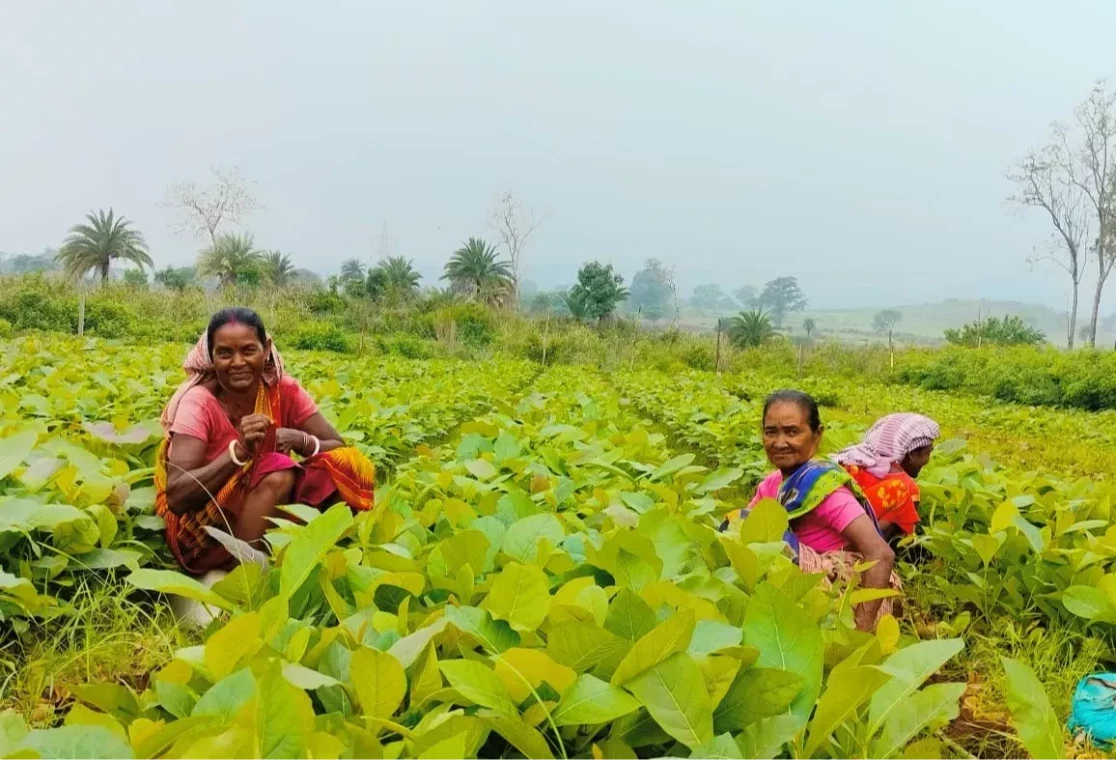

The plantation of trees in the Mayurbhanj district of Odisha have been instrumental in addressing food security, gender equality, and the empowerment of women tribes. This article delves into the intricacies of plantation activities and their impact on the local communities, highlighting the transformative role they play in promoting sustainable development and empowering women.
The plantation project have a profound impact on the lives of women from local tribes, extending far beyond tree plantation. Through their active participation in plantation, women are not only ensuring food security but also experiencing a transformative empowerment that permeates various aspects of their lives. The plantation initiative provides a platform for women to challenge traditional gender norms and stereotypes, allowing them to take ownership of their livelihoods and contribute to the local economy in a meaningful way. As they engage in plantation activities, women are developing skills and knowledge in various plantation practices, conservation methods, building confidence and self-esteem, and increasing their income and financial independence. The plantation project has a significant impact on the local community's relationship with the forest. Planting a variety of crops, including fruit trees, vegetables, and medicinal plants, can provide a consistent supply of nutritious food, reducing dependence on forest resources and increasing food availability. The communities have traditionally relied on the forest for livelihood and have built a belief system that is compatible with their ecological surroundings. It will ensure the economic viability of tree species used for fuelwood and other minor forest products. By engaging in plantation practices, their dependence on forest resources is reduced, minimizing their impact on the ecosystem, and promoting biodiversity conservation. This, in turn, is supporting the conservation efforts protecting endangered species, and preserving the natural beauty of the forest. The plantation project provides an alternative source of income for women, reducing their reliance on forest resources.
The plantation of trees also has an impact on the local ecosystem. The trees help in reducing soil erosion, improving soil fertility, and promoting biodiversity conservation. Moreover, the collective action and shared responsibility fostered through plantation activities are promoting a sense of community ownership and stewardship, encouraging women to take pride in their role as custodians of the forest and its resources.
The impact of plantation project on women's cultural heritage is also significant. By engaging in plantation activities, women will be preserving and passing down their traditional knowledge and skills to their children and grandchildren, ensuring the continuation of their cultural heritage. By recognizing the value of these initiatives, we can support and scale up these efforts, leading to a more resilient and sustainable ecosystem, where community development and environmental sustainability are intertwined.
Comments (0)
Leave a comment