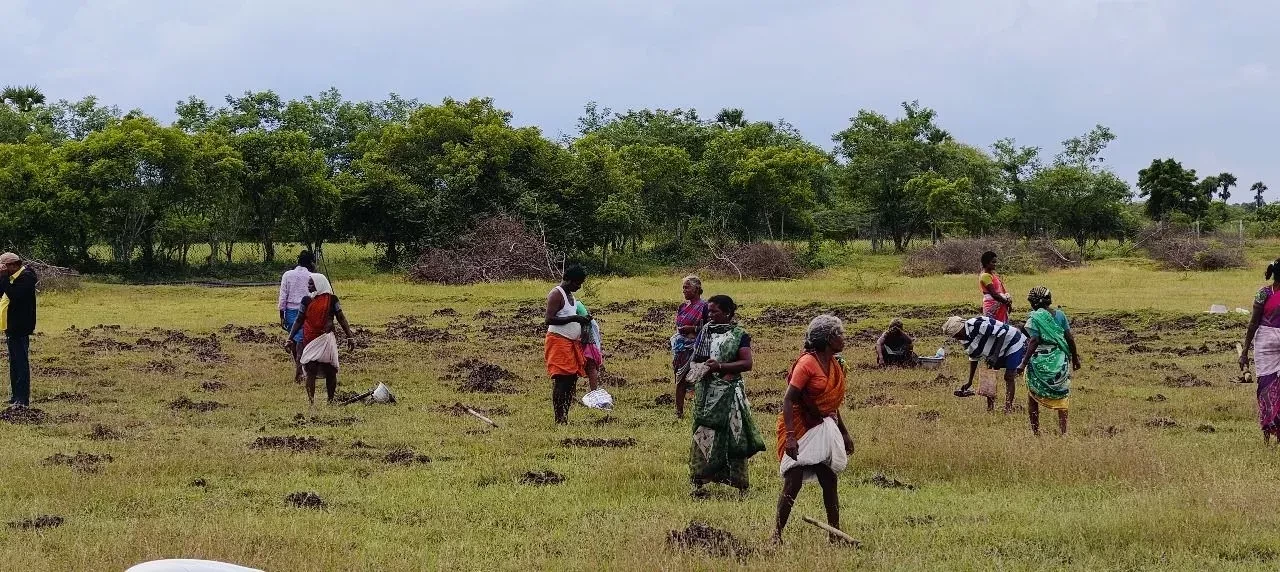

Engaging local communities and indigenous tribes like the Irulas and Bhatra in tree planting initiatives offers a dual advantage of environmental restoration and poverty alleviation. These initiatives not only help restore degraded ecosystems but also provide sustainable livelihoods, empowering communities and improving their quality of life. Here’s how tree planting projects can contribute to poverty relief for these communities.
Economic Empowerment through Employment Job Creation: Tree planting projects create numerous job opportunities. From seed collection and nursery management to planting and maintenance, these activities provide steady employment for local communities and tribes. This steady income can significantly enhance their economic stability and reduce poverty.
Skill Development: Involvement in tree planting initiatives offers valuable skill development. Training in sustainable agricultural practices, nursery management, and environmental conservation equips community members with skills that are transferable to other areas of employment, increasing their job prospects and earning potential.
Sustainable Livelihoods Agroforestry Systems: Integrating tree planting with agricultural practices through agroforestry systems can increase food security and income. Trees can provide fruits, nuts, and other non-timber forest products (NTFPs) that can be sold in local markets, creating additional income streams. This diversification of livelihoods reduces dependency on a single source of income, making communities more resilient to economic shocks. Eco-Tourism: Restored forests and green landscapes attract eco-tourism, providing another source of income. Indigenous tribes like the Irulas and Bhatra can offer guided tours, cultural experiences, and traditional crafts to tourists, promoting cultural preservation while generating revenue.
Environmental Benefits Leading to Economic Gains : Healthy ecosystems support agriculture by improving soil fertility and water availability. Trees prevent soil erosion, enhance soil nutrients through leaf litter, and maintain the water cycle, leading to better crop yields. This boost in agricultural productivity translates into increased food security and higher income for farming communities. Climate Resilience: Tree planting helps mitigate the effects of climate change, such as droughts and floods, by stabilizing the climate and reducing the severity of natural disasters. Improved climate resilience ensures that communities are less vulnerable to crop failures and economic losses, thereby reducing poverty.
Comments (0)
Leave a comment