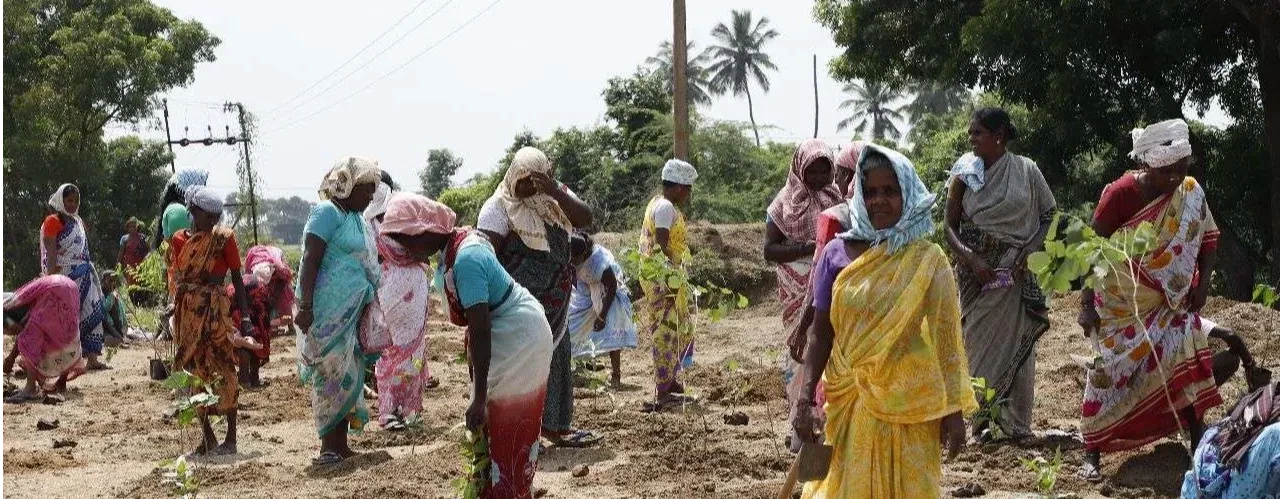

Roots of Tree Planting: A Historical Perspective
Tree planting has been an integral part of Southern culture for centuries. Ancient traditions and agricultural practices have emphasized the importance of maintaining green cover to support biodiversity, ensure soil fertility, and provide sustainable livelihoods. Communities in the South, particularly in rural areas, have long relied on indigenous tree species for timber, medicine, and shade, integrating these trees into their way of life. Over time, industrialization and urbanization led to deforestation, causing environmental degradation and loss of biodiversity. However, a resurgence in organic tree planting has emerged as a sustainable solution to restore this lost heritage.
Why Organic Tree Planting is the Best Approach
Organic tree planting involves growing trees without the use of chemical fertilizers, pesticides, or genetically modified organisms. Instead, it utilizes natural compost, bio-fertilizers, and indigenous planting methods to enrich soil health and support ecological balance. This approach not only promotes healthier tree growth but also ensures that the surrounding environment and wildlife remain unharmed.
Environmental Benefits
- Soil Enrichment: Organic tree planting improves soil quality through natural decomposition and nutrient cycling, reducing the dependency on synthetic fertilizers.
- Water Conservation: Trees planted organically support groundwater recharge, prevent soil erosion, and maintain moisture levels essential for agriculture.
- Carbon Sequestration: Forest cover acts as a natural carbon sink, absorbing CO2 and mitigating climate change effects.
- Biodiversity Enhancement: Native trees provide habitats for birds, insects, and other wildlife, fostering a balanced ecosystem.
Social and Economic Benefits for Locals
- Livelihood Opportunities: Organic tree planting projects create jobs in nurseries, plantation maintenance, and sustainable forestry, empowering local communities.
- Food Security: Many native tree species yield fruits, nuts, and medicinal plants, supplementing diets and local markets.
- Community Well-being: Green spaces improve air quality, provide shade, and contribute to mental and physical health benefits for residents.
- Cultural Preservation: Reviving traditional agroforestry practices ensures that ancient knowledge and environmental ethics are passed on to future generations.
Conclusion
Organic tree planting in the South is not just an environmental initiative—it is a holistic approach that intertwines history, culture, and sustainability. By embracing this method, communities can reclaim their green heritage, support local economies, and combat climate change effectively.
Comments (0)
Leave a comment