
Written by: Hugo Bitouzé, Head of Reforestation Projects.
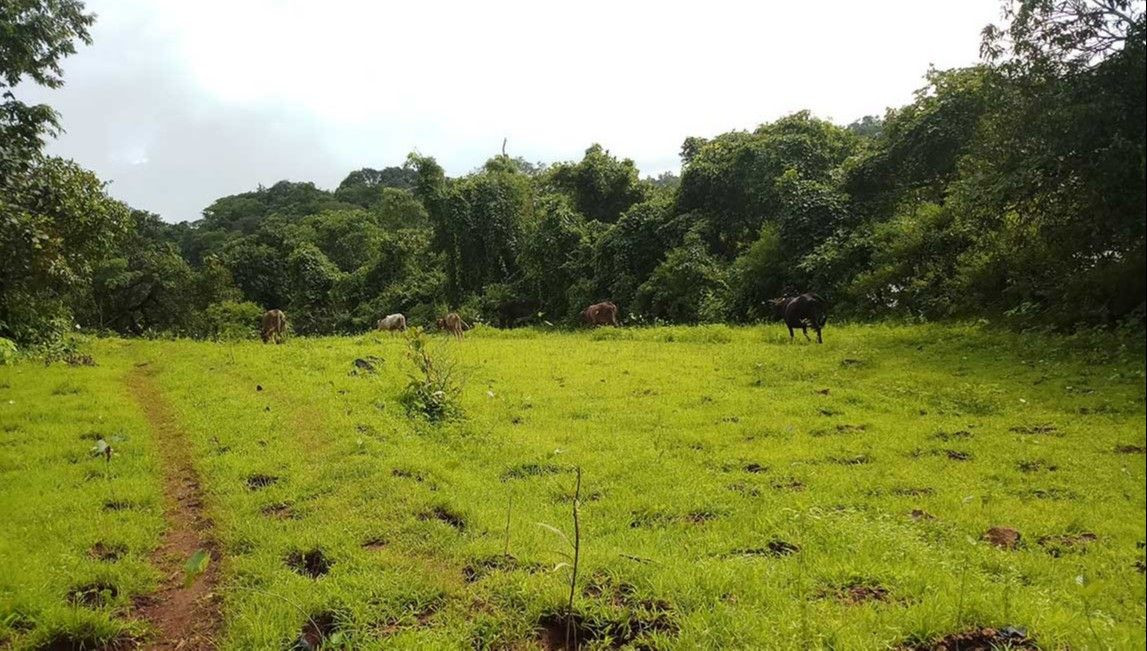
Tree-Nation, in partnership with a local reforestation organization, has launched 'Trees for Water', a groundbreaking afforestation project in the Mumbai Metropolitan Region. With 50,000 native species being planted near Bhatsai village, the project seeks to address irregular rainfall patterns that have caused increased soil degradation and surface runoff in the last 2 to 3 years.
The project's multifaceted approach aims to create a sustainable solution by increasing groundwater availability, creating a carbon sink for urban areas, and promoting green employment opportunities for local communities.
In December 2022, a devastating fire swept through the Bhatsai Gram Panchayat plantation site in Thane District, Maharashtra, destroying 70% of the 50,000 saplings planted. The presence of tall, dry grasses and weeds made the site particularly vulnerable to fire, which can be sparked by even the slightest source, such as a discarded cigarette butt.
The investigation from the local team concluded that the fire was caused by a man-made incident from an external passer-by, which demonstrates the importance of environmental consciousness among local communities to preserve and take care of their forests.
Data from other forest fires during 2022 show some valuable insights. In the EU only, the European Forest Fire Information System (Effis) reported 2,295 different fires in the first seven months of 2022. More than 785,000 hectares went up in smoke from January 1 to November 19, 2022. This is more than double the average of just over 317,000 hectares between 2006 and 2021. Only in Spain 293,155 ha have burned during summer 2022.
The Importance of Reforestation in High-Risk Fire Areas
The consequences of the fire on the "Trees for Water" reforestation project are significant for all key elements involved, including fauna conservation, water resources management, food security, gender equality, social economy, organic farming, environmental awareness, and the preservation of indigenous tribes' habitats.
Reforestation of these regions prone to natural wildfires is therefore vital for the several reasons:
Preventing Soil Erosion: Trees help to hold the soil in place and prevent erosion during wildfires or heavy rains. By planting trees in these areas, the risk of soil erosion is reduced, which can help to maintain the quality and fertility of the soil.
Protecting Biodiversity: Forests are home to a wide range of plant and animal species, many of which are unique to these areas. Reforestation can help to restore and protect biodiversity by providing habitat for these species.
Mitigating Climate Change: Trees absorb carbon dioxide from the atmosphere and store it as carbon in their biomass, leaves, and roots. This helps to mitigate the effects of climate change by reducing the amount of greenhouse gasses in the atmosphere.
Providing Economic Benefits: Forests can provide valuable resources, such as timber and non-timber forest products, which can support local economies. Additionally, reforestation can create jobs and support sustainable economic development in these areas.
Prevention Measures
This setback should not discourage reforestation efforts in regions prone to natural wildfires, which is why it is important to continue supporting the "Trees for Water" project and organizations like Tree-Nation, helping to restore these regions and prevent soil erosion, protect biodiversity, mitigate climate change and provide economic benefits.
The right measures to prevent more wildfires in these regions with higher risks are crucial to successful reforestation.
As next steps, our local project partner holds additional awareness sessions with the local stakeholders to sensitize them on the ill effects of losing green cover and hazardous impact of forest fires, as well as how their actions can help prevent them.
As a preventive measure, additional clearing activities have been done to remove remaining patches of tall dry grasses from the planting site, in order to limit the risk of additional wildfires. This also provided more employment to the local communities.
Re-plantation of the dead saplings that is part of our standard contingency measure will be carried out during the upcoming monsoon season in this year (June-July 2023) of the damaged saplings to maintain the project number ratio.
Reforestation is indeed a challenging task, as it involves changing the natural landscape and taming the forces of nature. It is a known fact that reforestation is necessary in order to mitigate the effects of climate change, but it also comes with its own set of difficulties. Just like nature itself, reforestation can be messy, chaotic, and full of ups and downs. That is why we are committed to continuing our efforts to support and implement reforestation projects that are well-planned, well-executed, and designed to overcome the challenges associated with taming nature.
Comments (0)
Leave a comment