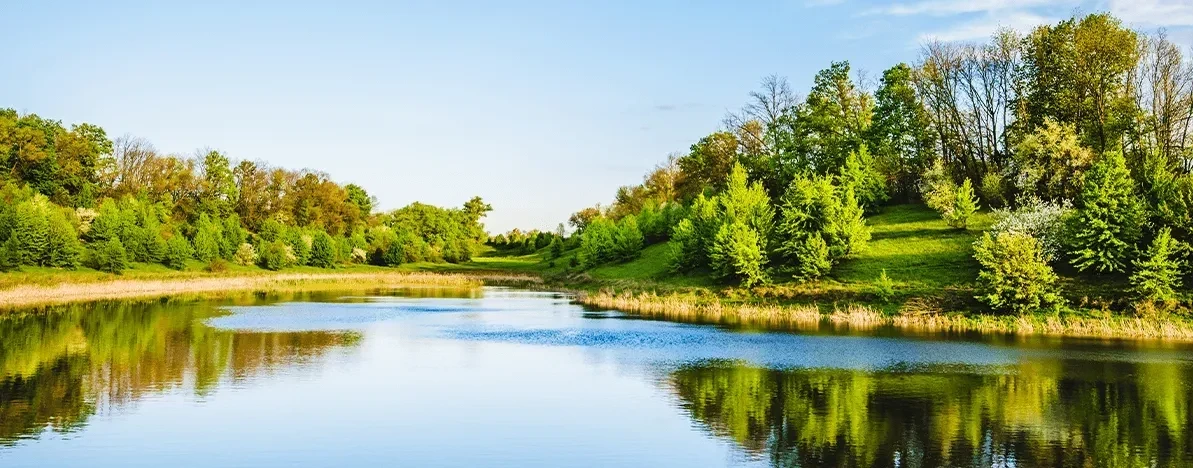

Water scarcity is a pressing issue in many parts of the world, especially in regions with arid climates or overexploited water resources. While the problem often requires large-scale solutions like efficient water management systems and conservation techniques, tree planting is a natural and effective strategy that plays a critical role in addressing water scarcity.
1. Improving Soil Water Retention
Trees enhance the water-holding capacity of soil by increasing organic matter. The roots of trees help bind the soil, reducing erosion and allowing rainwater to seep into the ground. Leaf litter from trees enriches the soil, forming a sponge-like layer that retains moisture for longer periods, even in dry conditions.
2. Reducing Surface Runoff
In water-scarce regions, heavy rains, though infrequent, often lead to surface runoff, causing water to flow away without being absorbed. Tree roots slow down this process, allowing water to infiltrate into the soil and recharge underground aquifers. This helps in maintaining a steady supply of groundwater, even during dry spells.
3. Promoting Groundwater Recharge
Trees play a significant role in recharging groundwater tables by facilitating water percolation. In areas where water is scarce, planting trees strategically can help replenish aquifers, ensuring a sustainable supply of water for agricultural, industrial, and domestic use.
4. Cooling the Microclimate
Trees provide shade and reduce surface temperatures, which in turn minimizes water evaporation from the soil. By lowering the temperature of their surroundings, trees also make conditions more favorable for other vegetation to grow, creating a cascading effect that helps retain water in the ecosystem.
5. Preventing Desertification
Water scarcity is often accompanied by land degradation and desertification. Planting trees can reverse this process by stabilizing the soil, reducing wind erosion, and creating a more humid environment that supports the growth of other plants and increases water availability in the region.
6. Capturing Atmospheric Moisture
Certain tree species can capture moisture from the atmosphere through their leaves and release it into the soil. This is particularly valuable in regions with low rainfall, where every drop of water counts.
7. Creating Rainwater Harvesting Systems
Forests naturally act as rainwater harvesting systems. Trees help in breaking the fall of rain, allowing water to seep gently into the soil instead of running off. In larger forested areas, this process contributes to maintaining local water cycles, bringing more consistent rainfall over time.
8. Reducing Dependence on Irrigation
In agricultural areas, planting trees around fields can reduce the need for excessive irrigation. Trees help maintain soil moisture, act as windbreakers to reduce evaporation, and create a microenvironment conducive to crop growth.
Conclusion
Tree planting is a cost-effective and sustainable method to combat water scarcity in regions struggling with limited water resources. By improving soil health, recharging groundwater, reducing evaporation, and promoting a balanced ecosystem, trees provide long-term solutions that benefit both the environment and local communities. Strategic afforestation and reforestation programs, especially in water-stressed areas, can significantly contribute to securing water resources for future generations.
Comments (0)
Leave a comment