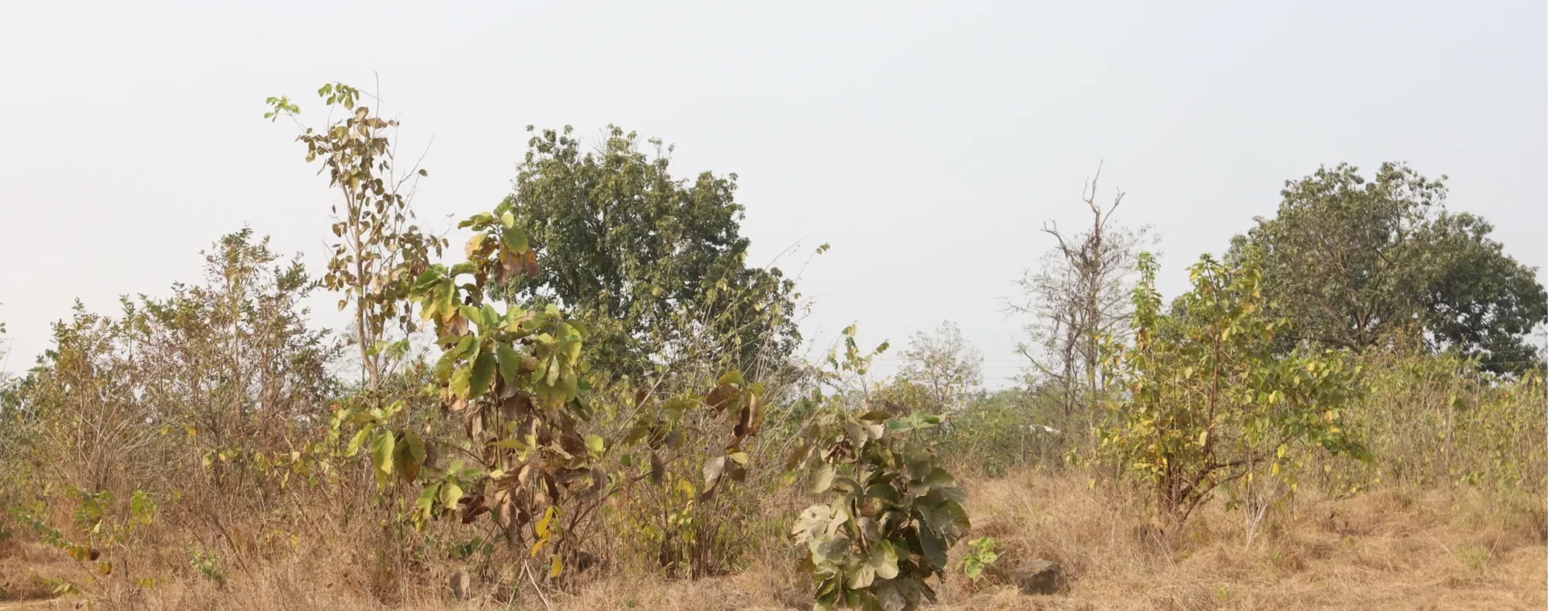

Maharashtra, one of India's most populous and agriculturally significant states, faces recurring water scarcity issues. Erratic rainfall, over-reliance on groundwater, and inefficient water management practices have exacerbated the crisis, affecting millions of people, farmers, and ecosystems. However, a sustainable and nature-based solution lies in large-scale tree plantation, which can play a pivotal role in addressing Maharashtra's water challenges.
The Water Crisis in Maharashtra
Maharashtra's water woes are multifaceted. Drought-prone regions like Marathwada and Vidarbha often experience acute water shortages, while urban areas like Mumbai and Pune struggle with water distribution and storage. Over-extraction of groundwater, deforestation, and soil degradation have further reduced the state's water retention capacity, leading to depleted reservoirs and dry wells.
How Tree Plantation Can Help
Tree plantation offers a holistic approach to water management by addressing the root causes of water scarcity. Here’s how:
- Recharging Groundwater: Trees improve water infiltration into the soil, allowing rainwater to percolate and recharge groundwater tables. This is especially critical in drought-prone areas.
- Preventing Soil Erosion: Tree roots bind the soil, reducing erosion and preventing siltation in rivers and reservoirs, which improves water storage capacity.
- Enhancing Rainfall: Forests contribute to the local water cycle by releasing moisture into the atmosphere, which can increase rainfall in the region.
- Reducing Runoff: Trees slow down surface runoff during heavy rains, allowing more water to seep into the ground and reducing the risk of floods.
- Sustainable Agriculture: Agroforestry practices, combining trees with crops, can improve soil moisture retention, reducing farmers' dependency on irrigation.
Success Stories and the Way Forward
Initiatives like the Jalyukt Shivar Abhiyan have shown promise in improving water availability, but integrating tree plantation into such programs can amplify their impact. For instance, planting species like banyan, neem, and tamarind in watershed areas can enhance water conservation efforts.
Community-driven tree plantation drives, supported by government policies and corporate CSR initiatives, can ensure long-term sustainability. By restoring degraded lands, creating green belts, and promoting agroforestry, Maharashtra can build resilience against water scarcity while supporting biodiversity and rural livelihoods.
Comments (0)
Leave a comment