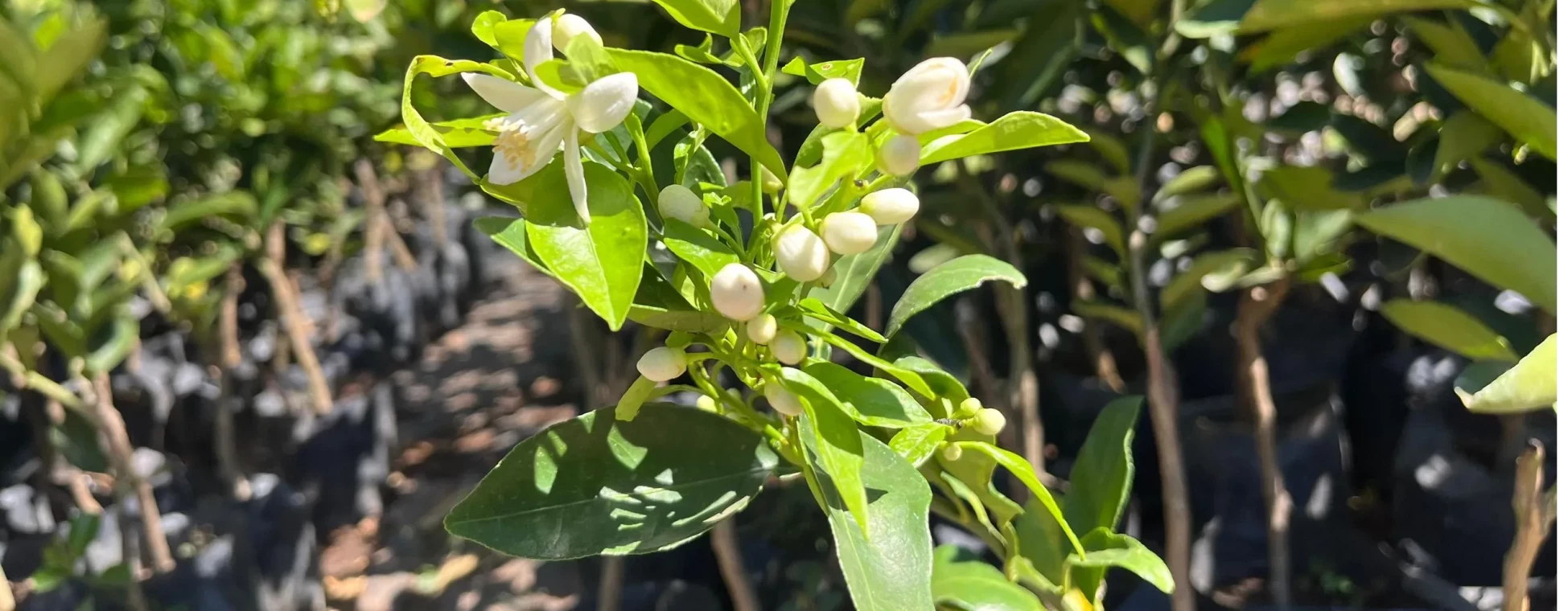

Grafting is a horticultural technique where tissues from one tree are joined with another so they grow as a single plant. This method is widely used in fruit tree cultivation to improve quality, productivity, and disease resistance. One of the biggest advantages of grafting is the ability to produce superior fruit. By grafting high-quality fruit-bearing branches onto strong rootstocks, tree planters ensure consistent taste, size, and yield. This method also accelerates fruit production compared to growing trees from seeds, allowing quicker harvests. Another benefit is disease resistance. Certain rootstocks offer natural protection against soil-borne diseases, ensuring healthier trees.
Additionally, grafting helps preserve rare or endangered tree species by propagating them onto stronger bases. Grafting allows multiple varieties to grow on a single tree, reducing space requirements. For example, a single apple tree can produce different apple varieties, enhancing diversity in orchards. This method is also widely used in commercial farming for improved economic value and sustainable land use. By utilizing grafting, tree planters and gardeners create stronger, more productive trees that benefit both the environment and related value chains. It is a powerful tool for ensuring food security and biodiversity while optimizing tree growth for long-term success.
Comments (0)
Leave a comment