tree-nationLegacy
Legacy projects are reforestation projects in Tree-Nation's active portfolio that predate our current certification framework. They use the same underlying carbon calculations as our four certification tiers and continue to deliver real reforestation impact on the ground.
Best for impact-focused sponsors continuing to support Tree-Nation's long-standing reforestation projects
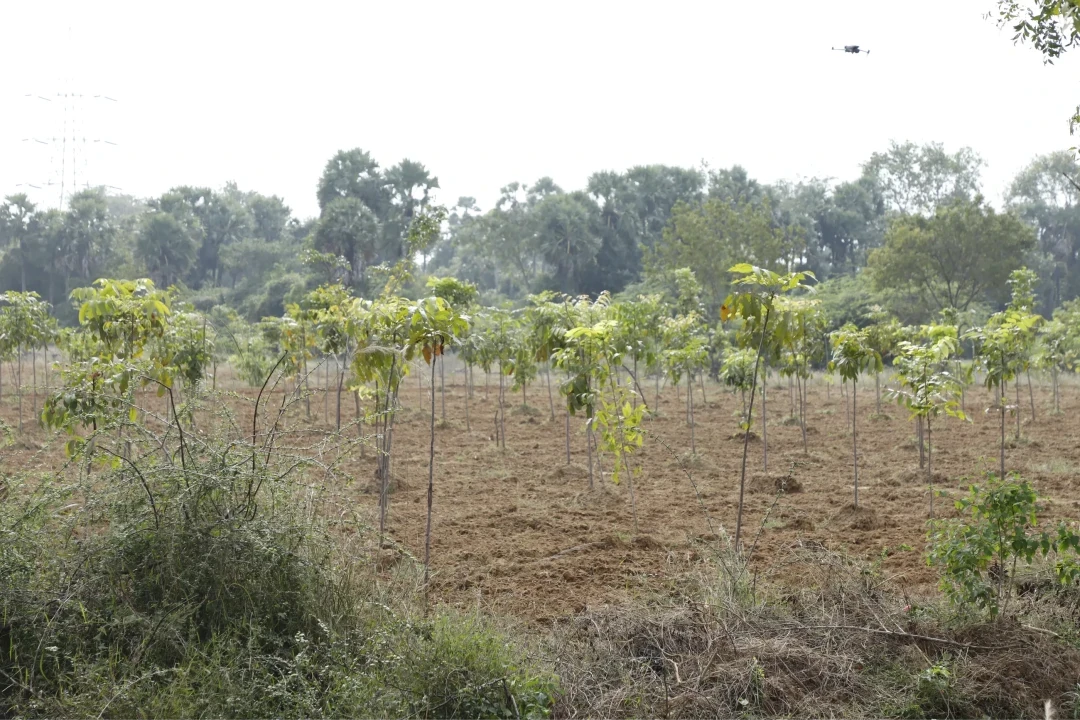
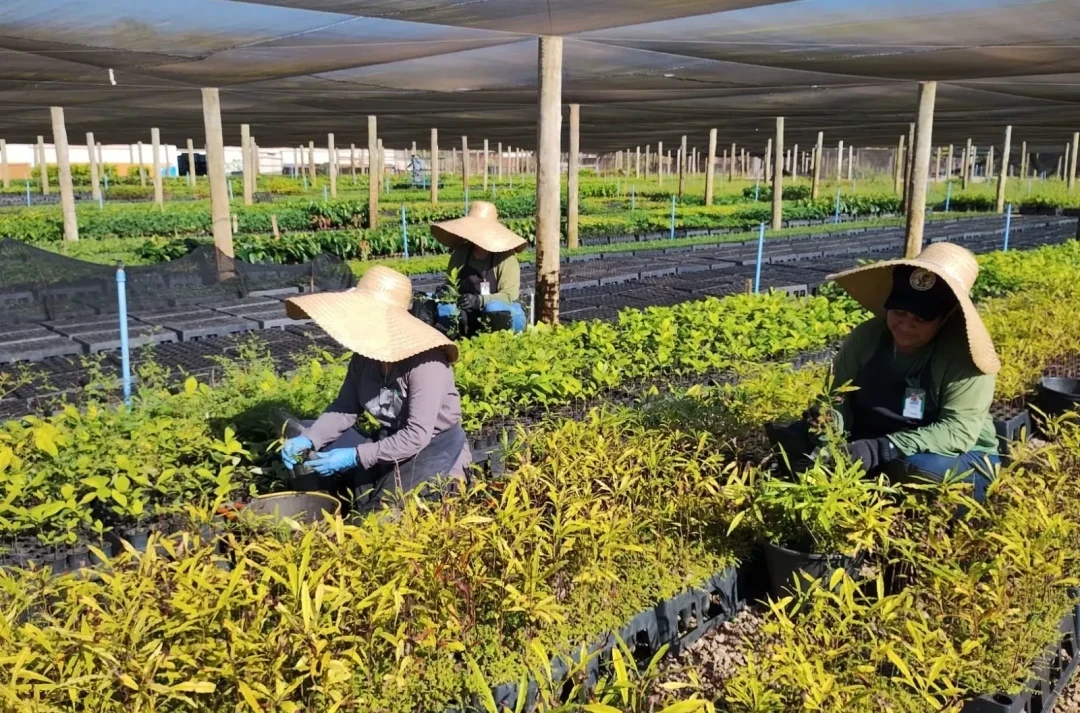
- Land
- Private and communal
- Carbon rights
- Included
- Verification
- Satellite enhanced vegetation index (EVI)
- Typical use
- Varied reforestation types
- Price
- From €2/tree
- Carbon captured
- Capped at 500kg ex-ante per tree
- Monitoring period
- Varies by project
- Partners
- Community and private restoration partners
Reporting & disclosure
Legacy projects are Tree-Nation's long-standing reforestation portfolio, established before our current four-tier certification framework. They retain their carbon rights and continue delivering their full environmental and social impact. Their original methodology isn't formally certified for the specific requirements of climate offset reporting under CDP Climate Change or CSRD ESRS E1, so they fit biodiversity, community, and forestry disclosure frameworks instead. Because carbon rights are retained, Legacy projects remain candidates for future migration to Foundation or Mission certification where methodology and project conditions allow. Sponsors who need quantified climate mitigation disclosure today can fund Foundation or Mission projects.
| Framework | Suitability | Applies to | Tree-Nation legacy fit |
|---|---|---|---|
| CDP Climate Change (Full Corporate) | Not suitable | Voluntary. The version used by companies with 1,000+ employees or $250M+ revenue when they respond to CDP | Not recommended for Legacy. Legacy projects predate the documentation chain that certified tiers apply and that CDP Climate Change requires to substantiate a retirement claim. Sponsors wanting to disclose Tree-Nation contributions under CDP 7.79 should fund a certified tier instead. |
| CDP Climate Change (SME) | Not suitable | Voluntary. The version available to smaller companies | Not applicable. The SME module covers internal emissions inventory, targets, and reduction initiatives only. |
| CDP Forests (Full Corporate) | Suitable | Voluntary. The version used by companies with 1,000+ employees or $250M+ revenue when they respond to CDP | Answer affirmatively on Question 8.17 (supporting or implementing projects focused on ecosystem restoration and long-term protection). In Question 8.17.1, fill the fields in order. Project reference: your name or identifier for this project. Project type: from CDP dropdown, most commonly Reforestation or Forest ecosystem restoration. Expected benefits: Increase in carbon sequestration, Net gain in biodiversity and ecosystem integrity (add others where relevant). Is this project originating any carbon credits: No. Description of project: a brief summary of the project and the sponsor's contribution. Where is the project taking place in relation to your value chain: Project based elsewhere unless the sponsor has operations near the project. Start year: the planting year of the sponsor's contribution. Target year: typically 10 years from planting. Project area to date and Project area in the target year (hectares), Country/Area, Latitude, and Longitude come from the specific project record. Monitoring frequency: Annually. Total investment over the project period: the amount of the sponsor's contribution. For which of your expected benefits are you monitoring progress: the ones selected above. Please explain: any additional context on the project or contribution. |
| CDP Forests (SME) | Not suitable | Voluntary. The version available to smaller companies | Not applicable. The SME Forests module asks the sponsor to disclose the deforestation-free (DF) or deforestation- and conversion-free (DCF) status of their own commodities (timber, palm oil, cattle, soy, rubber, cocoa, coffee), not restoration financing. |
| CSRD ESRS E1: Climate | Not suitable | Mandatory for 1,000+ employees and €450M+ turnover. First reports for FY 2027 due in 2028 | Not recommended for Legacy. Legacy projects predate the documentation chain that certified tiers apply and that ESRS E1 requires to substantiate a quantified climate contribution. Sponsors wanting to disclose Tree-Nation contributions under E1 should fund a certified tier instead. |
| CSRD ESRS E4: Biodiversity | Suitable | Mandatory for 1,000+ employees and €450M+ turnover. First reports for FY 2027 due in 2028 | Under Paragraph 28, disclose the Legacy project as a biodiversity restoration action. Describe the action (reforestation activity, geography, species mix), local knowledge incorporation via species selection and site management, and nature-based solutions applied (Paragraph 28c). Sponsors may optionally add KPIs (hectares planted, species diversity, biodiversity signal via satellite EVI), financing effects (direct sponsor contribution), and Tree-Nation legacy as the framework applied. |
| CSRD ESRS S3: Affected Communities | Suitable | Mandatory for 1,000+ employees and €450M+ turnover. First reports for FY 2027 due in 2028 | Under Paragraphs 30-38, disclose where community impact is a direct outcome: affected communities as those engaged through the specific Legacy project; positive impacts including local employment during planting, income to local operators, and ecosystem service benefits to surrounding communities; financing effects as the sponsor's contribution allocation; tracking through project-level engagement records that Tree-Nation maintains together with local implementing partners. Applicability varies by project. |
| VSME | Suitable | Voluntary for SMEs | Describe your Legacy project contribution in the Practices and Initiatives narrative (B2 in the Basic Module, or expanded in C2 in the Comprehensive Module). VSME is a simplified voluntary standard and does not include a quantified climate contribution slot. |


