La Pedregoza

La Pedregoza

CO Colombia
Completed

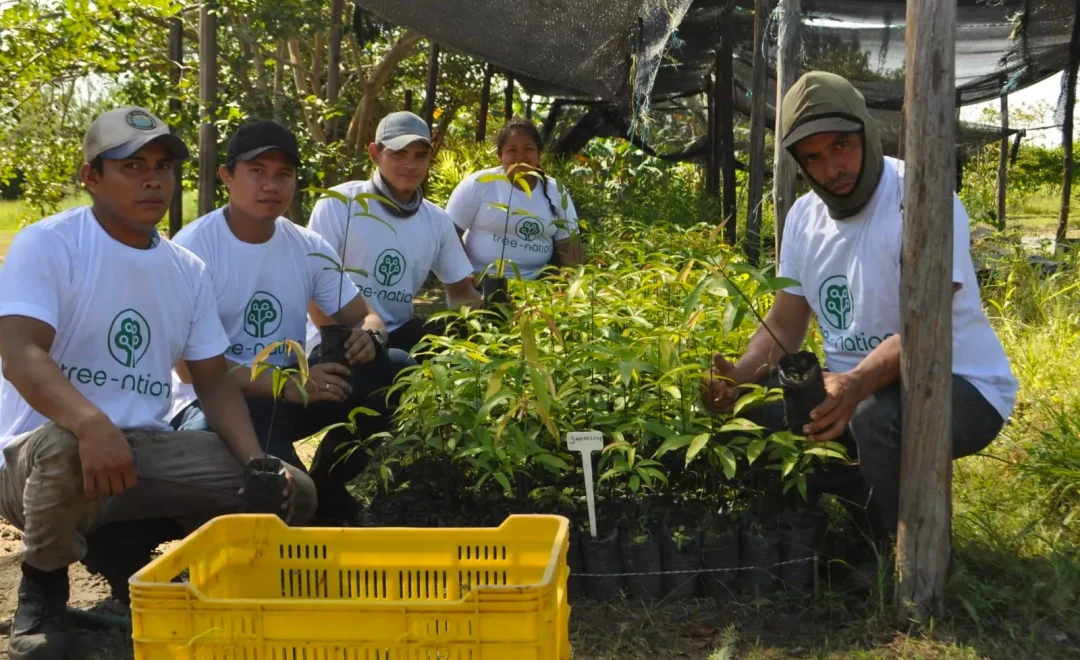
Our project focuses on afforestation and reforestation in the Orinoco River basin of Colombia. The goal is to create long-term economic sustainability for the nearby natural reserve, which is dedicated to conserving local flora and fauna. We achieve this by employing natural farming techniques that support both the environment and the surrounding communities.

230,337Trees funded of 208,790
75,321 TCO2 captured
4,247Followers
465 updates
September 2017

The first step in tree planting is soil preparation. In this picture a worker is helping to lay out the planting grid, after which the planters will place trees at regular intervals along the grid lines. This lot was dedicated to native trees. We planted Congrio (Acosmium nitens),

 See more
17 Sep 2017

Our office table has a display of some of the agroforestry products that result from our tree planting. From the left are unshelled cashew nuts (#Anacardium_occidentale), dried African hibiscus (#Hibiscus_sabdariffa) fruits, #Moringa_oleifera seeds and finally more cashews, but from

 See more
10 Sep 2017

Our Zebu cattle are the chief producers of fertilizers at La Pedregoza. We presently have 40 head of cattle pooping about 1 ton of manure per day, half of which we are able to collect in the stable. This means that the cow's diet is very important, so we supplement it with silage

 See more
10 Sep 2017
Trish Geidel · 23 November 2017

By the Way, is there another pg to this, with the rest of ur story, Dexter ? ...

Trish Geidel · 28 October 2017

OHHH, I DIDN'T KNOW THAT ABOUT THE AUSSIE COWS, THANX FOR TELLING ME, DEX...

Dexter Dombro · 17 September 2017

Thanks Trish. Zebu cows are gorgeous and well adapted to tough, hot climates....

August 2017

Victor Scharnhorst, a German intern student at La Pedregoza, took this photo of a red howler monkey (Alouatta seniculus), making use of the trees at La Pedregoza to find fruits and seeds. Sometimes we wake up to howler monkeys putting on an impromptu concert, with their voices traveling

 See more
26 Aug 2017
Trish Geidel · 28 October 2017

THIS IS AMAZING & WONDERFUL, THAT THE WILDLIFE IS STARTING TO BENEFIT FRO...

Dexter Dombro · 17 September 2017

Thanks Gabriela and Joana. We have 2 species of monkeys that live in our inun...

Joana Baldaia · 14 September 2017

Amazing news!

Our agroforestry engineer, Lina Maria, has been busy supervising the sanitary pruning of our cashew trees. This one is 3 years old and will start to produce fruits and nuts in 2018. She has her work cut out for her, as we have some 20,000 cashew trees that need love and care planted

 See more
24 Aug 2017

At La Pedregoza we have installed efficient wood stoves in the homes of all of our workers. They consume significantly less wood, and provide families with an oven and hot water at the same time. Perhaps more importantly, they ensure that the ladies of the house and the children

 See more
13 Aug 2017
Trish Geidel · 23 November 2017

Neat lil stove, ; I'm pleased for the women & kids sakes, that they a...

Every year the gallery forests and inundation forests in Vichada flood, sometimes for up to almost 8 months in some areas. The inundations are generally at their peak in July and August. This picture, taken in the rain, shows the flooded forest almost touching our #citrus and mango

 See more
13 Aug 2017
Trish Geidel · 23 November 2017

WOW ! 14.5 meters, that IS a lot of flowing water ! xxx

July 2017

Many tree species are planted at the peak of the rainy season, so they don't drown, but still get a lot of water with which to develop their root systems. Trees are hand-planted at La Pedregoza, as we prefer the benefits of local socio-economic development to the mechanized approach

 See more
27 Jul 2017

At La Pedregoza we are pioneering new planting systems for trees. One method that seems to work really well is to create ditches which run perpendicular to the natural drainage of the terrain. The trees are planted in the higher areas between ditches, which forces shallow rooted

 See more
27 Jul 2017
Dexter Dombro · 13 August 2017

Our pleasure Alina. When something is a passion, it doesn't seem that muc...

Alina Steiner · 1 August 2017

Thanks for this informative update - and thumbs up, thanks for this hard work...
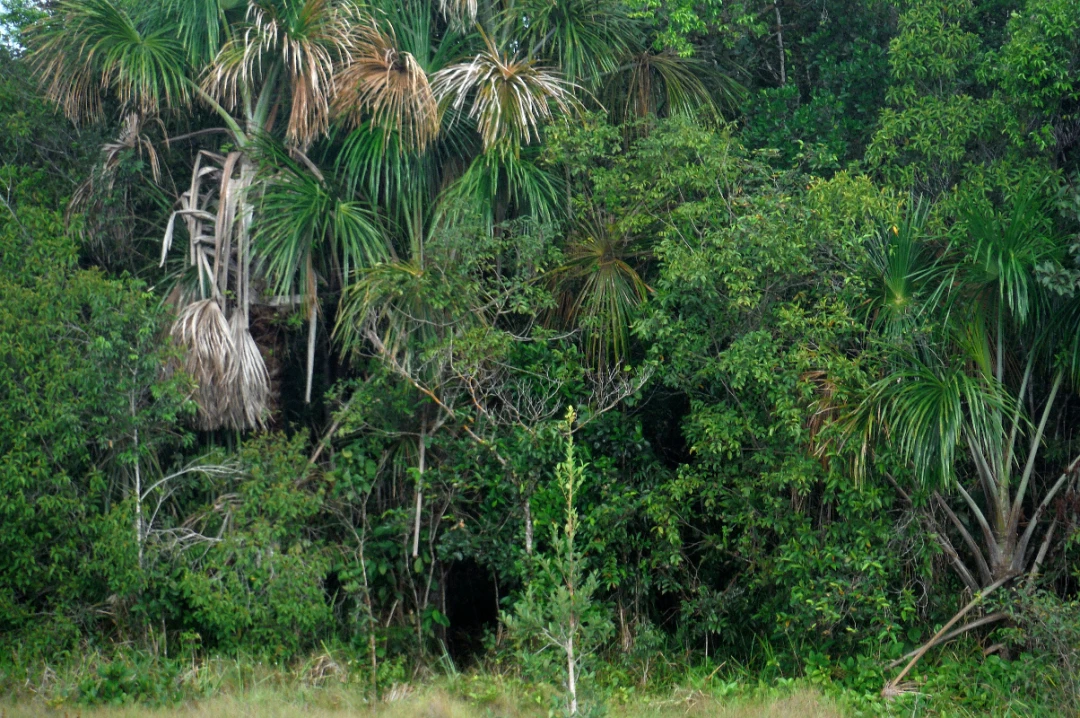
May and June are the months when the mango trees are full of fruits, and the birds come from far and wide to feast. At La Pedregoza we plant mango trees as living fences, for shade and of course for the fruits, which can be sun-dried, made into pulp for juices, or eaten fresh. This

 See more
01 Jul 2017
June 2017

Our biochar plant is up and running, with a daily production of some 2 tons of #biochar. We are also producing about 55 gallons (210 liters) of wood vinegar and 25 KG of wood tar per day.The wood vinegar is an amazing organic fertilizer and insecticide, depending on how it is diluted

 See more
26 Jun 2017

Once the Acacia mangium seedlings are about 4 to 5 cm tall, they are transplanted to the planting bags in the tree nursery. This avoids having empty planting bags, which cost time and money to prepare, when trying to germinate directly in the bags. This means that pretty much 100%

 See more
18 Jun 2017

Acacia mangium is normally cultivated as a plantation tree for biomass, but it also has other uses, principally for nitrogen fixing and carbon deposits in soil building, as well as for repairing contaminated soils like for instance in the restoration of old mining sites. At La Pedregoza

 See more
18 Jun 2017
May 2017

One of the most exciting times of the year is watching the native tree seeds germinate in the tree #nursery. In this picture one can see #Acosmium_nitens or Congrio trees germinating. We use #germination tables, and then transplant the seedlings to planting bags. With this species

 See more
21 May 2017
The Sassafras: saving an endangered species

The Sassafras: saving an endangered species

by Dexter B. Dombro In the Orinoco River basin of Colombia there are several endangered tree species. One of them is the Sassafras or #Ocotea_cymba...

Read more