Protect Amazonian Biodiversity

Protect Amazonian Biodiversity

PE Peru
Completed

Our project aims to protect biodiversity in the Peruvian Amazon while promoting indigenous rights and sustainable development. We work at the intersection of people and forests, planting trees and fostering sustainable practices to protect the ecosystem. Through this, we support indigenous autonomy and spread sustainable ways of life to encourage fair, long-term development.

74,167Trees funded of 71,225
19,928 TCO2 captured
2,933Followers
135 updates
December 2019

There are an impressive number of beautiful hardwoods from the bean family (Fabaceae). Listing their names is a bit like reciting the names of gods. Estoraque, Chihuahuaco, Azucarhuayo, Copaiba, Tornillo, and Ana Caspi are all steely beanstalks. And for fine timber, another Fabaceae

 See more
27 Dec 2019

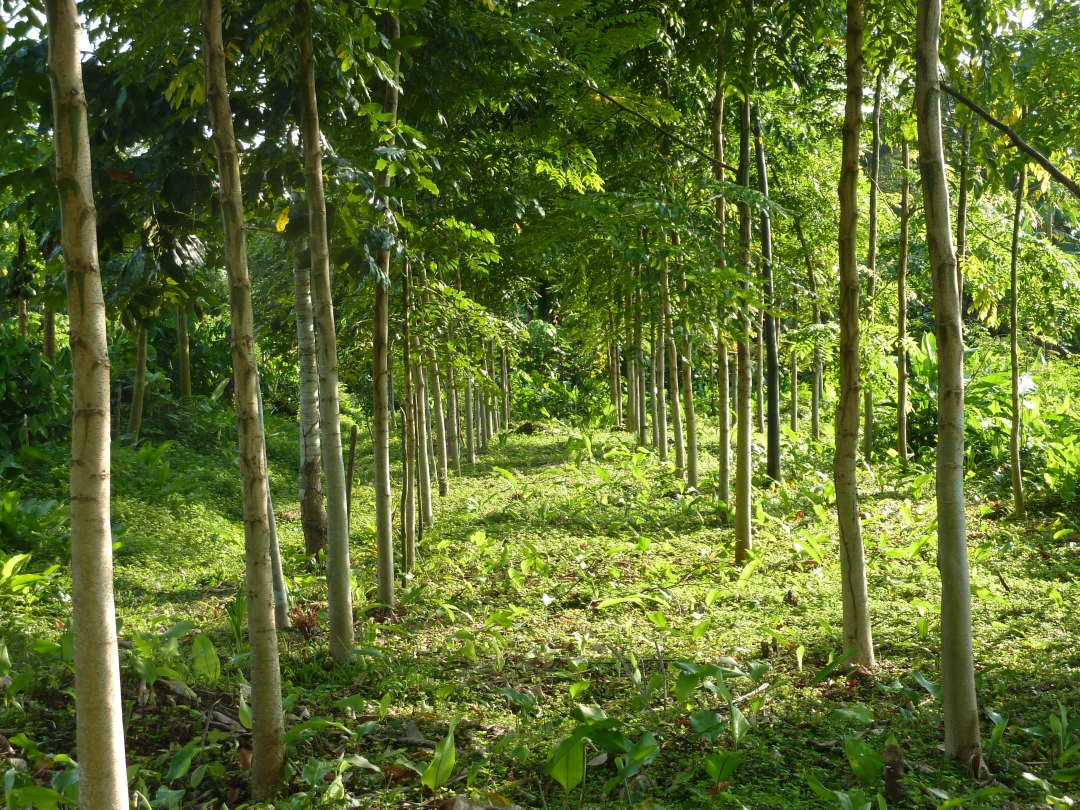
Seeds from the primary forest are planted out in service of forest landscape restoration (FLR). Native forests that abruptly vanished are regenerated by planting back a variety of the same species that once grew here before a farmer interjected the irrefutable logic of the clear

 See more
20 Dec 2019

There are over 800 species of Ficus, the genus that includes the fruit tree known as Fig. The Amazon contains a substantial percentage of the total global diversity of Ficus and is the homeland of many mutualisms formed between the abundantly producing wild figs and wasps, birds,

 See more
04 Dec 2019
Dexter Dombro · 4 December 2019

In Vichada we have the Ficus donell-smithii, with the common name of Matapalo...

November 2019

If you cannot quite call Brazilian Rosewood (Aniba rosaeodora) a scent that launched a thousand ships, you could at least mention hundreds of lumberjack expeditions. In the middle and late 20th century in the Amazon of Brazil and Peru, Rosewood trees were pulled out of the ground,

 See more
26 Nov 2019

What do waterfalls, the ocean, and giant trees have in common? Perhaps they all emit negative ions, which are said to calm the stress of humans. If the jury is still out about just how positive these negative ions are for our health and wellbeing, what is clearly true is that standing

 See more
18 Nov 2019

Known by many names: mother of the forest, Giant Kapok, Lupuna, Ceibo, to botanists as Ceiba pentandra. In the Amazon it is not the tree that lives to be the oldest – though it does live a long time – nor that becomes the tallest – though as an emergent species it does tower above

 See more
12 Nov 2019
October 2019
The Apple of the Amazon: an Ethnography of Pijuayo by Robin Van Loon, Executive Director of Camino Verde

The Apple of the Amazon: an Ethnography of Pijuayo by Robin Van Loon, Executive Director of Camino Verde

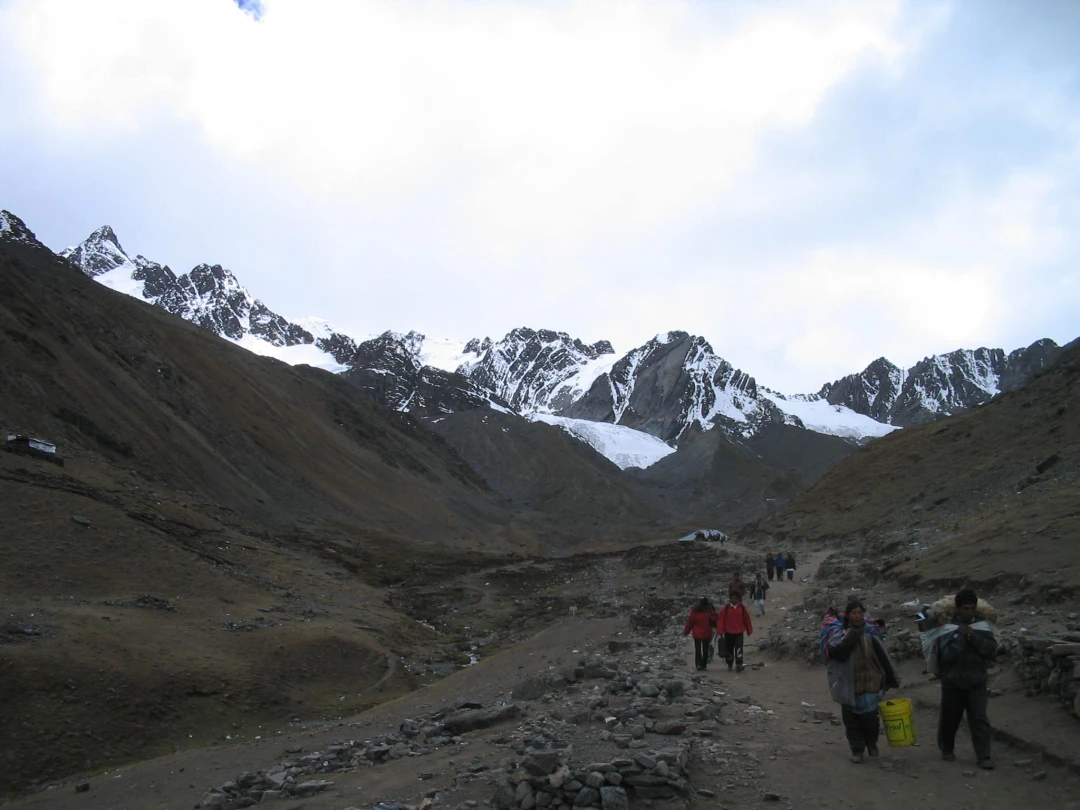
Ch'unchus in the Highlands Every year in the high Andes of Peru, tens of thousands of pilgrims walk a cold stony trail to the base of one of the re...

Read more

The genus Passiflora is known in English as Passionfruit or Passionflower, and sometimes in the English-speaking world it’s not realized that there are in fact many species of edible Passionfruit, several of which are commercially significant in the tropical countries where they’re

 See more
30 Oct 2019

. Not many people know that the famous Açaí of Brazil has a cousin species found in the western Amazon basin. Known botanically as Euterpe precatoria (as opposed to Açaí’s E. oleracea), in the Peruvian Amazon this palm tree is called Huasaí or Wasaí, which you pronounce just as

 See more
24 Oct 2019

In a land of many important and emblematic species, it is difficult to speak in superlatives about any one individual species. But with the Aguaje palm (Mauritia flexuosa) it is hard to resist the use of phrases like “unique” or “most important.” What açaí is to the Amazon heartlands

 See more
18 Oct 2019
Walking the Green Path

Walking the Green Path

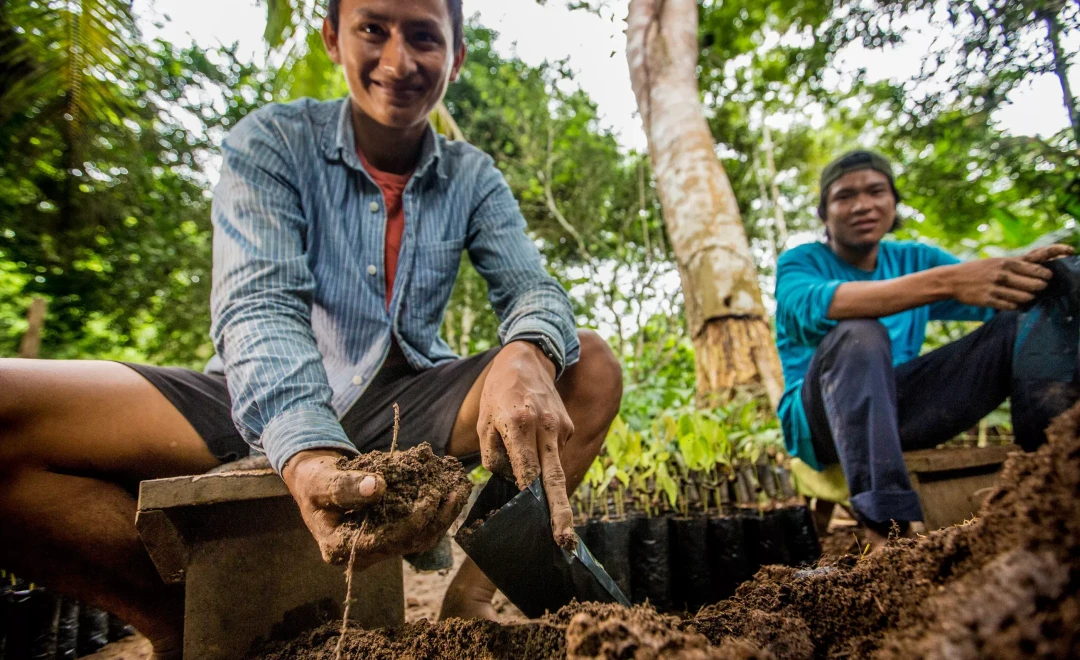
Manuel Huinga was running a tree nursery when he was 17. He had mastered the art of germinating seeds of dozens of species by the time he reached a...

Read more
September 2019

Renealmina alpinia is a member of the ginger family Zingiberaceae – but looks more like cardamom than ginger. Depending on how your Quichua or Quechua was transcribed, the local name may be recorded as Misquipanga, Mishquipanga, or even Misqui Panga. Misqui means “sweet” in Quechua

 See more
30 Sep 2019

The spiny fruits of Achiote (known botanically as Bixa orellana) are a familiar crop in the Amazon, and possibly one of the oldest domesticated trees in the region. Inside these fruit pods are small seeds covered in a bright red pulp that dries to a paste or powder as the fruits

 See more
23 Sep 2019

Our next few updates we will share with you some of the fruits we encounter here in our little part of the jungle. The first one is the oily fruit of Moena Alcanfór or Endlicheria krukovii, a precocious canopy tree in that it starts producing these fruits at age 3-5. Many of its

 See more
16 Sep 2019

The home for the product of an experimental distillation, this little bottle came to hold the results of our first ever distillation of wild branches of Endlicheria williamsii. Tiny amounts made the trip as far away as New York and Vermont, to entice the senses of a number of aromatic

 See more
03 Sep 2019