
National Forest Recovery
 United States
58.2 Quality Score
Our project aims to support the recovery of the Nation's 155 Forests and 20 Grasslands, managed by the USDA Forest Service, by addressing the impacts of wildfires and spruce budworm infestations. With tree mortality reaching 60-80% in some areas, we work to re-establish seed sources for future regeneration and enhance the forests' resilience to future infestations. This effort ensures the long-term health, diversity, and productivity of these 193
Fast growing and soil fertilizing species
These trees are strong and easy to grow. Commonly planted in large quantities, they build the base of a plantation system.
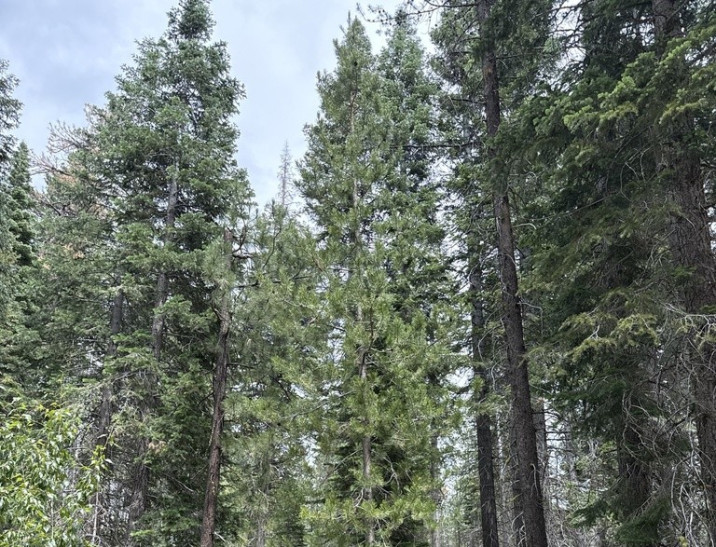
Pinus contorta
lodgepole pine
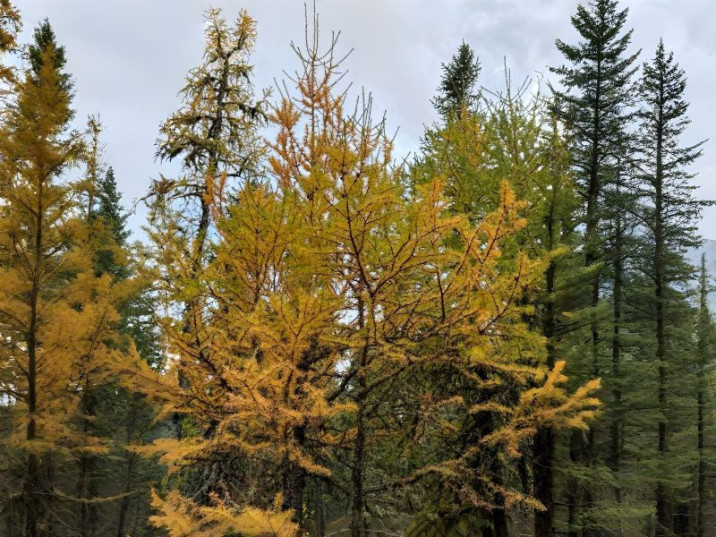
Larix laricina
Tamarack
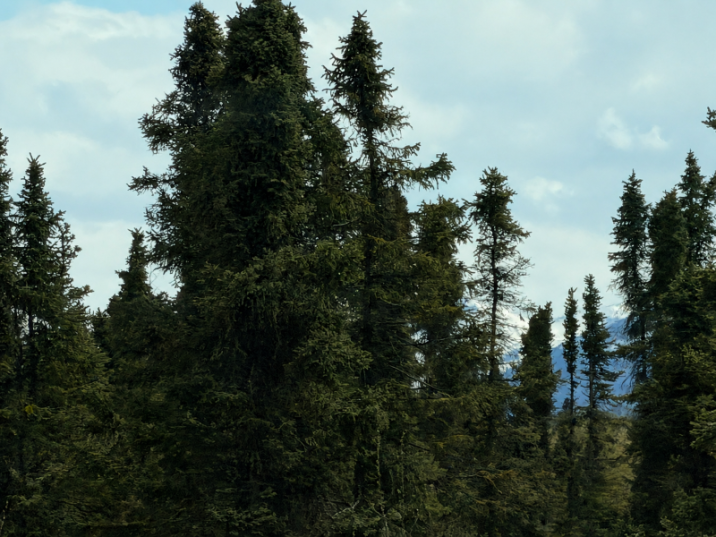
Picea mariana
Black spruce
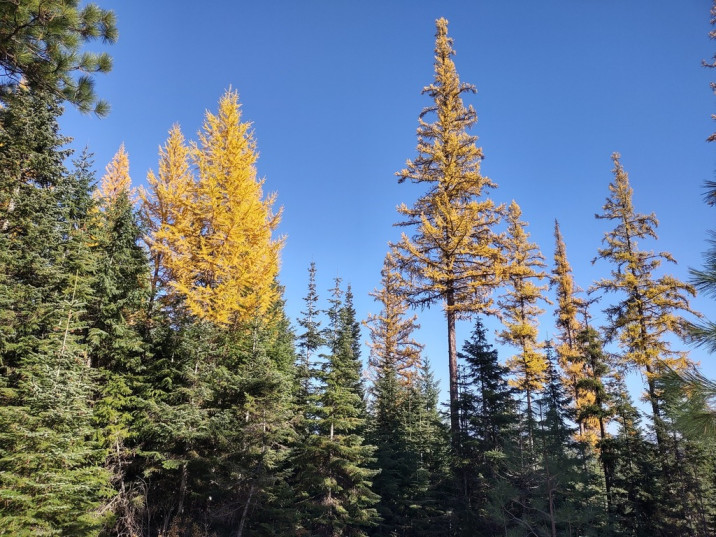
Larix occidentalis
Western larch
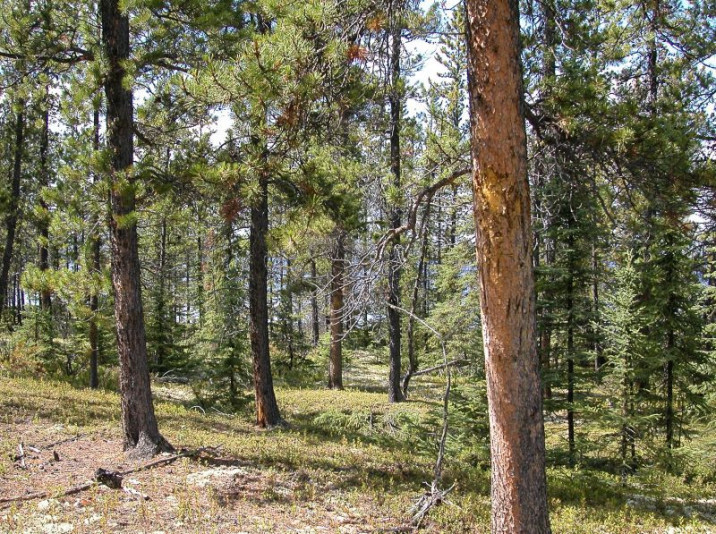
Pinus banksiana
Jack pine
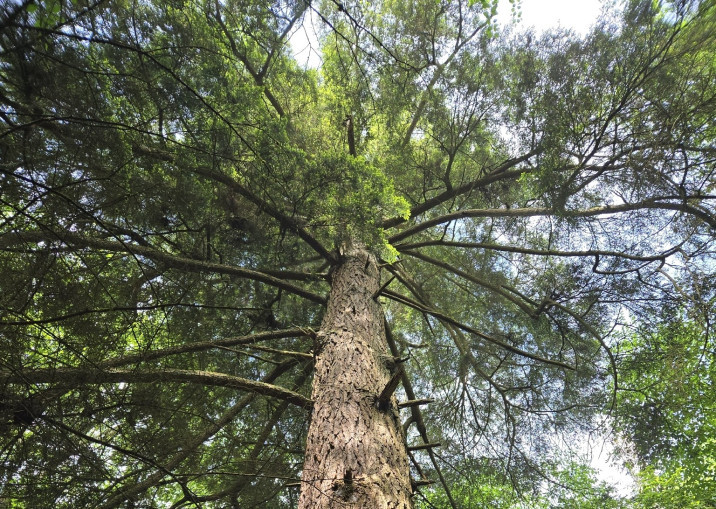
Tsuga canadensis
Eastern Hemlock
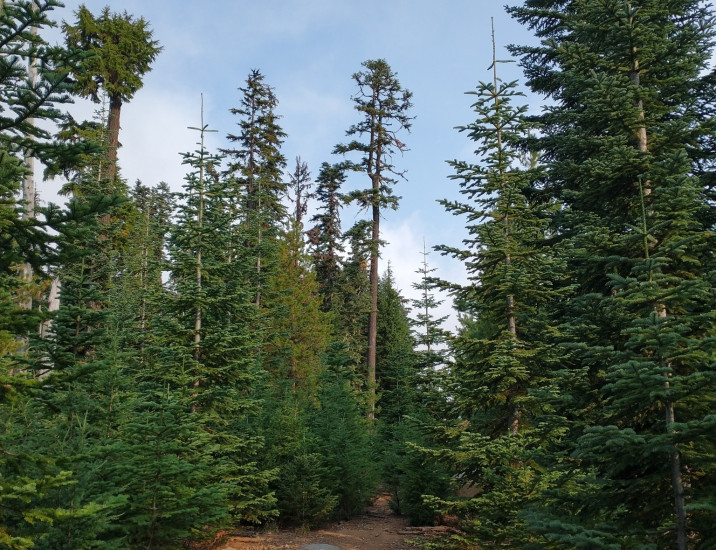
Abies procera
Noble Fir
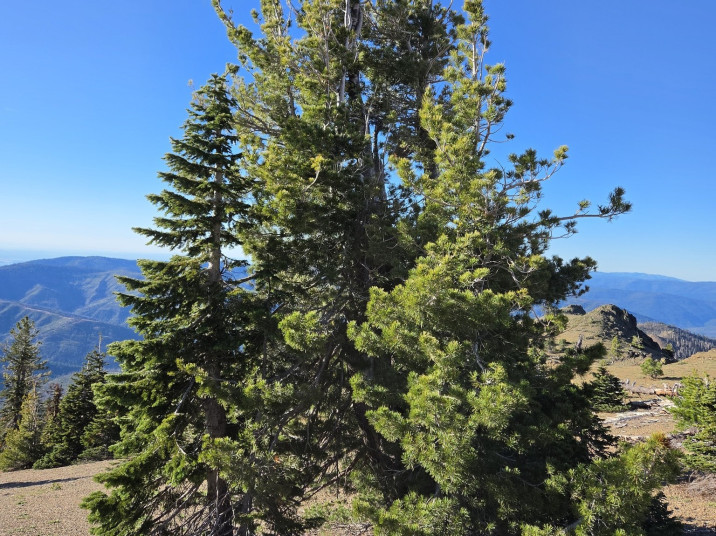
Pinus monticola
Western White Pine
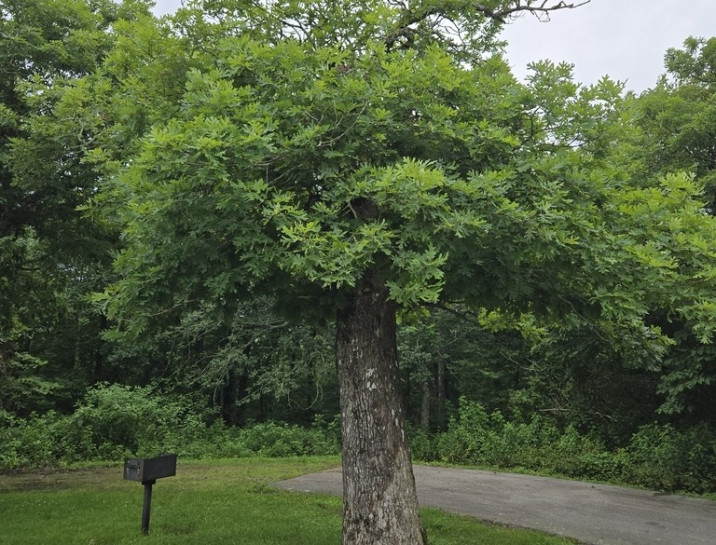
Quercus alba
White Oak
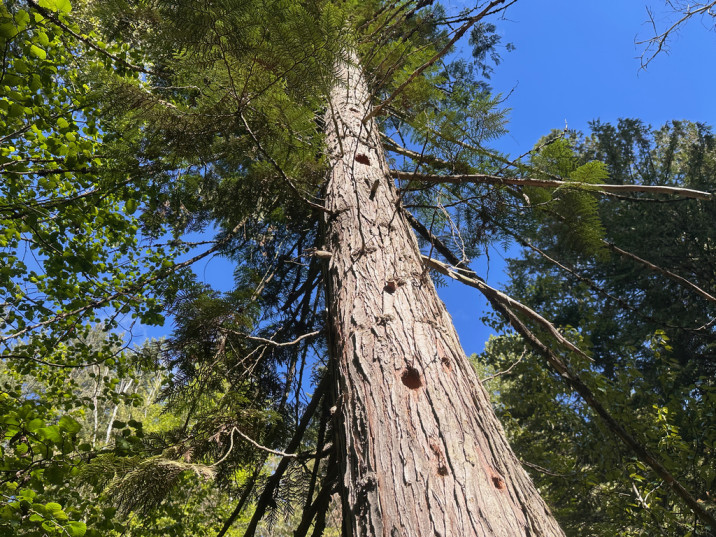
Thuja plicata
Western Hemlock
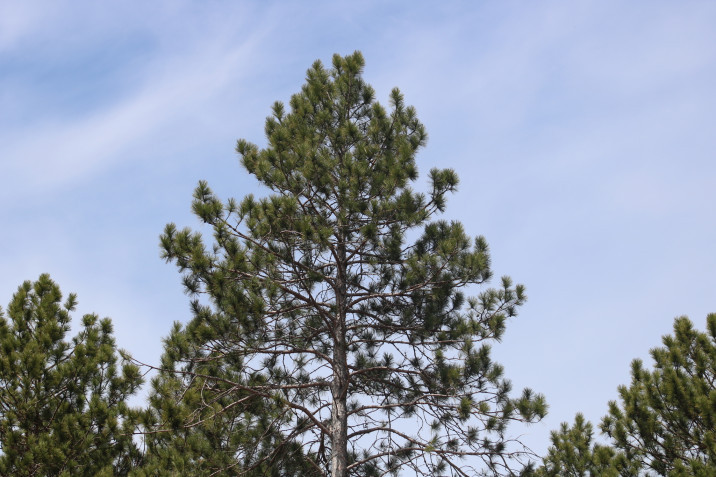
Pinus resinosa
Red Pine
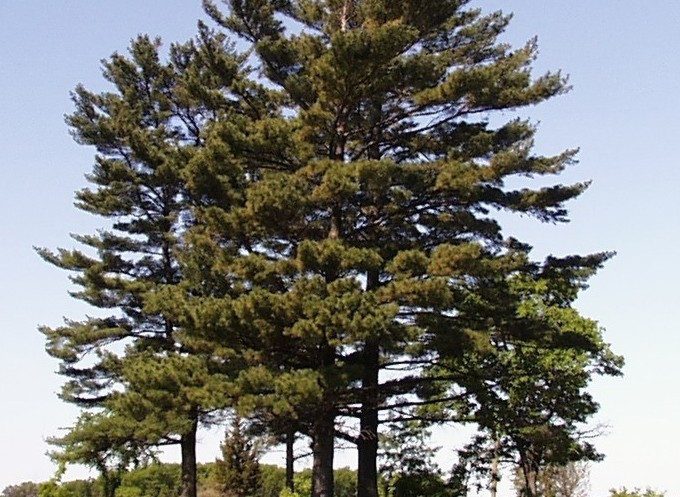
Pinus strobus
Eastern White Pine
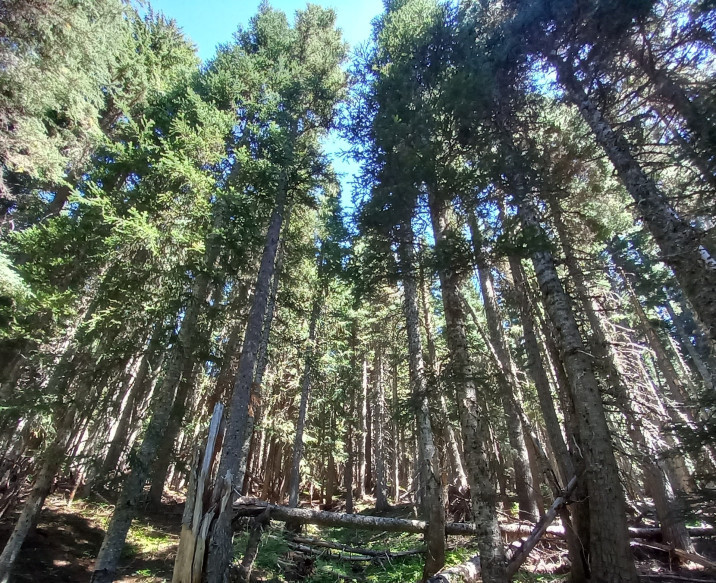
Abies amabilis
Pacific Silver Fir
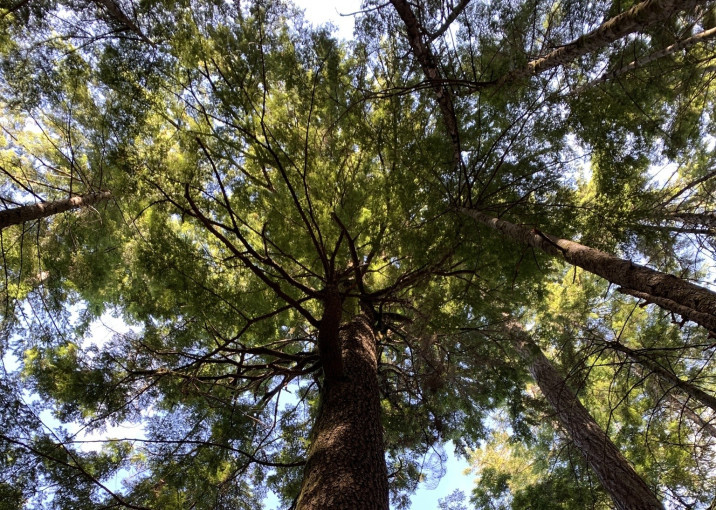
Tsuga heterophylla
Western Hemlock
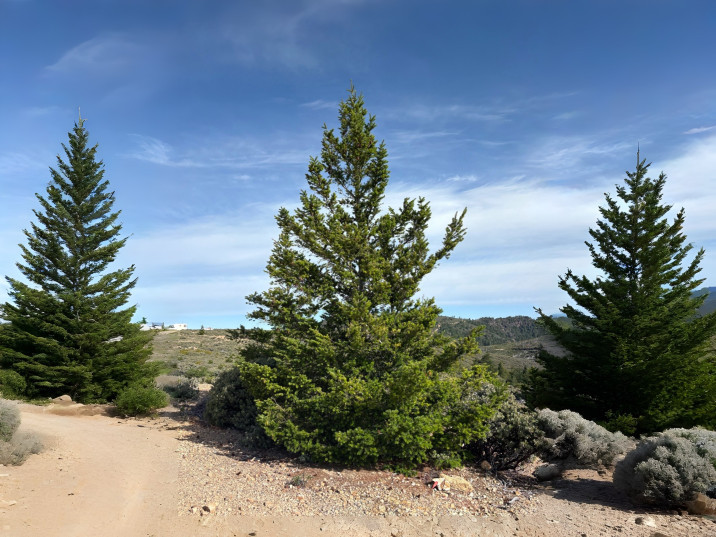
Pseudotsuga menziesii
Douglas fir
Fruit and medicinal species
These trees produce the most delicious fruits or very useful ingredients for cosmetic and medicinal purposes.
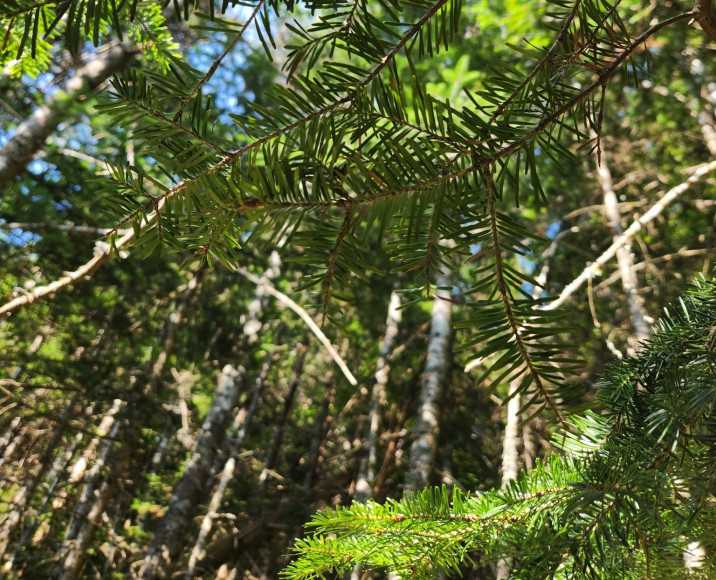
Abies balsamea
Balsam fir
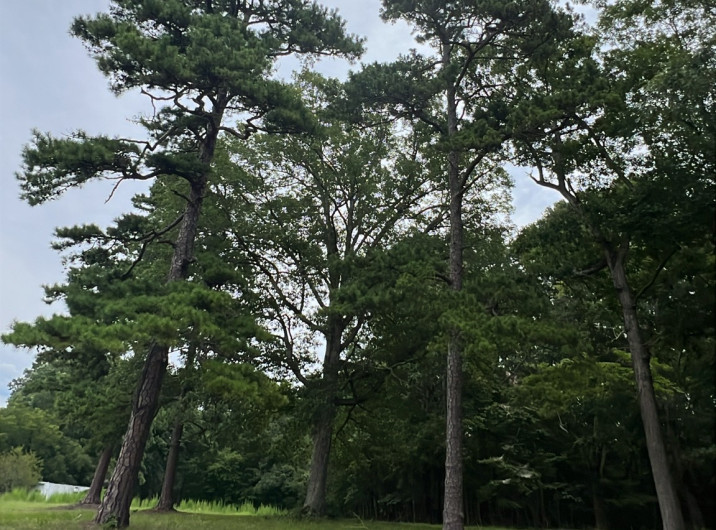
Pinus echinata
Shortleaf pine
Rare and magnificent species
Some trees impress by their sheer size or longevity, while others hold their particular beauty from their inner fight against the threats of extinction that loom upon them.
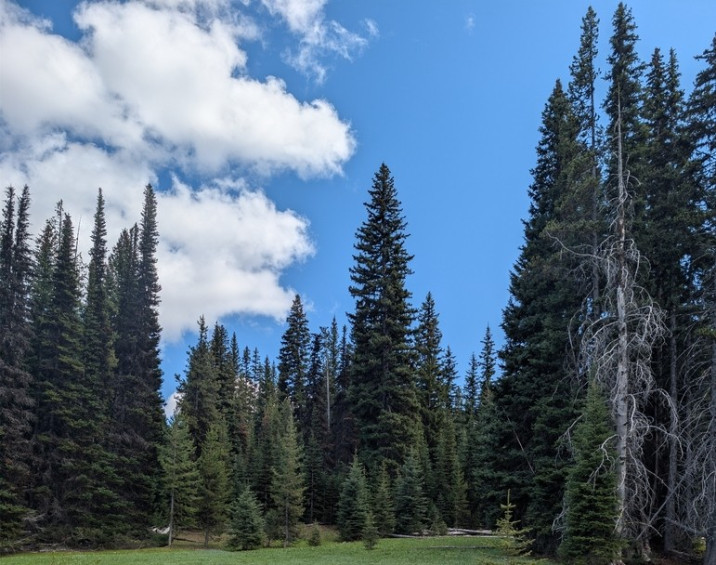
Picea engelmannii
Mountain spruce
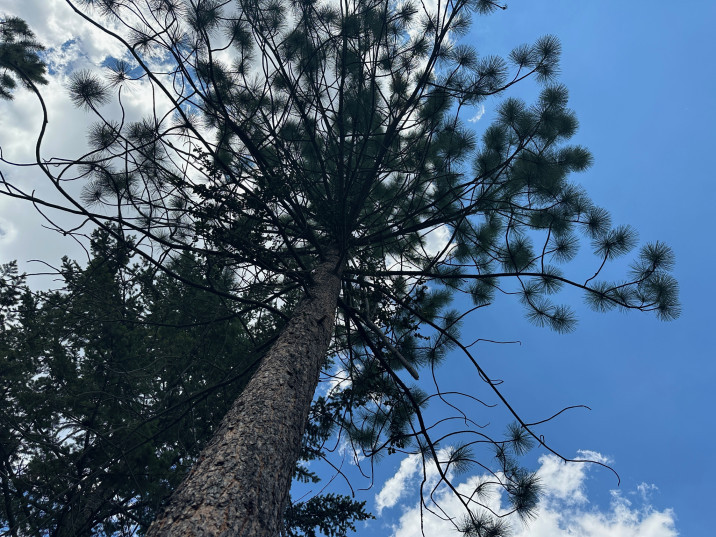
Pinus ponderosa
ponderosa pine
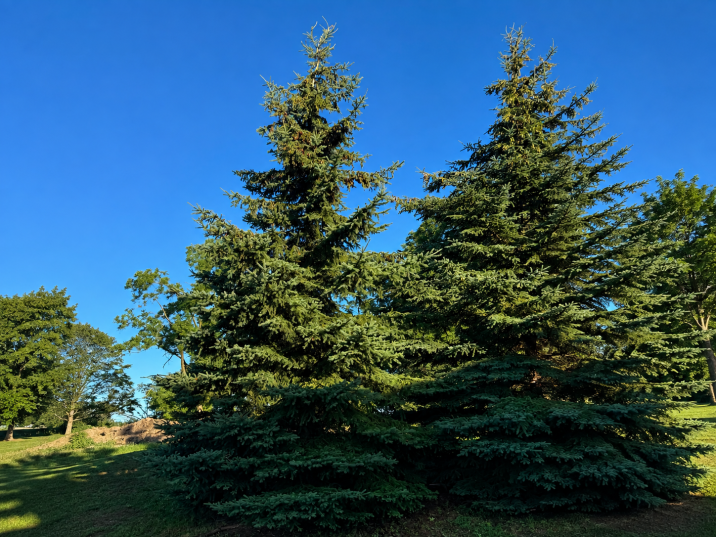
Picea glauca
White spruce
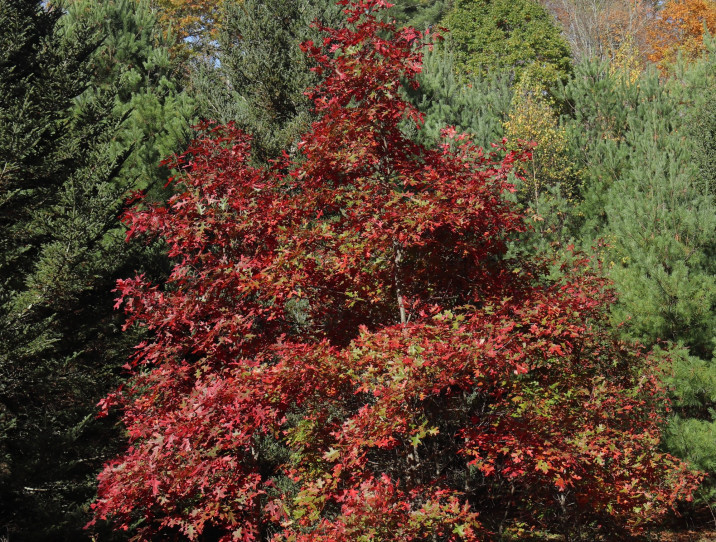
Quercus rubra
Northern red oak
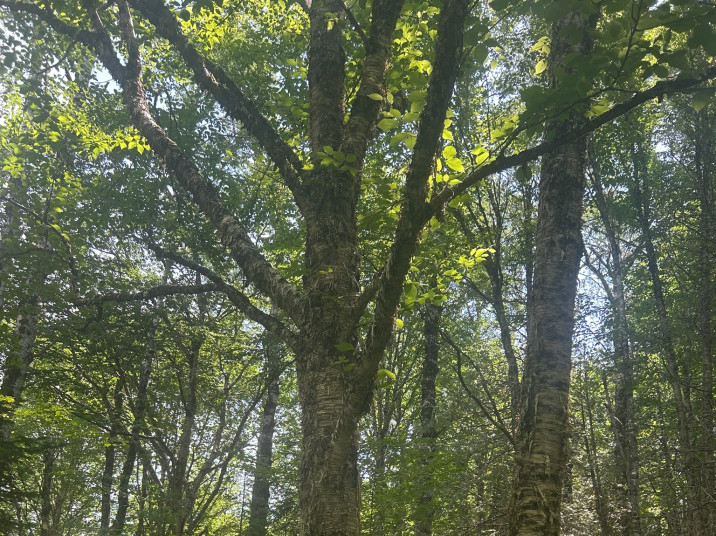
Betula alleghaniensis
Yellow birch
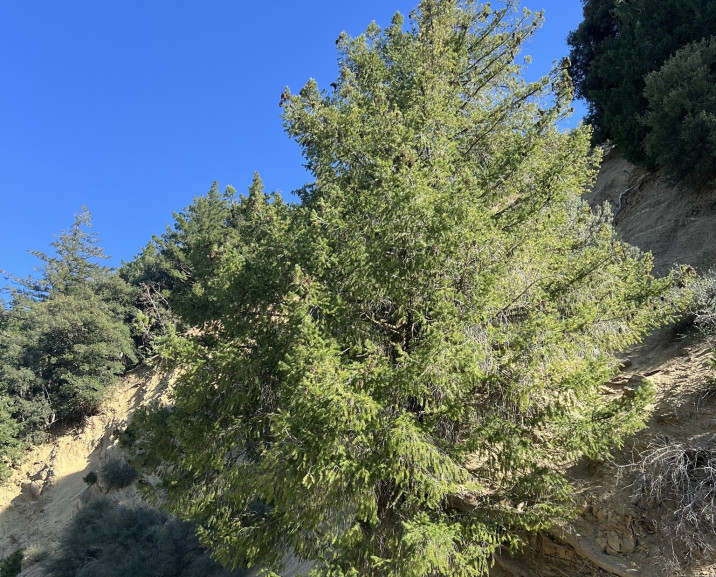
Pseudotsuga macrocarpa
Douglas-fir
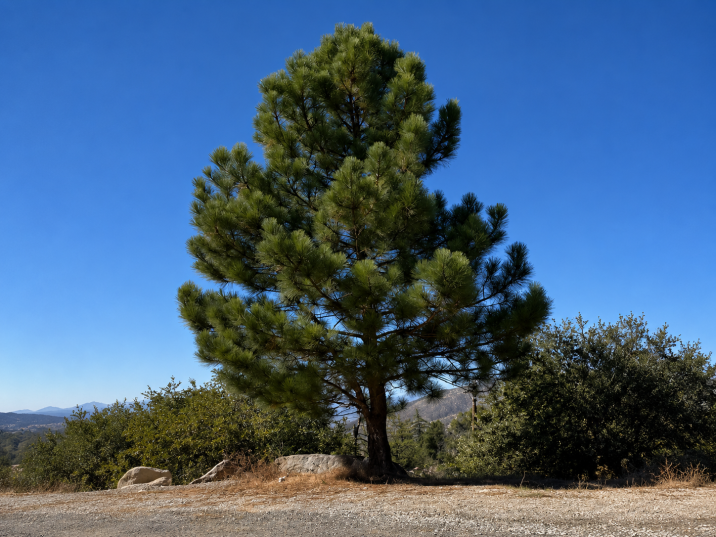
Pinus coulteri
Coulter
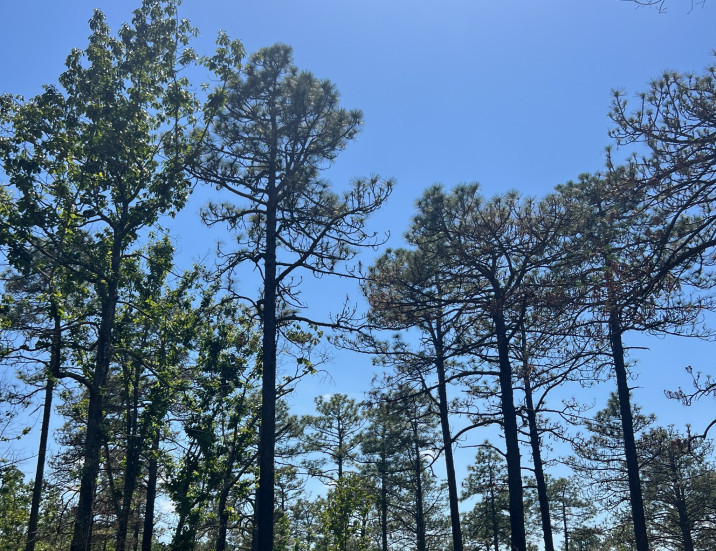
Pinus palustris
Longleaf pine
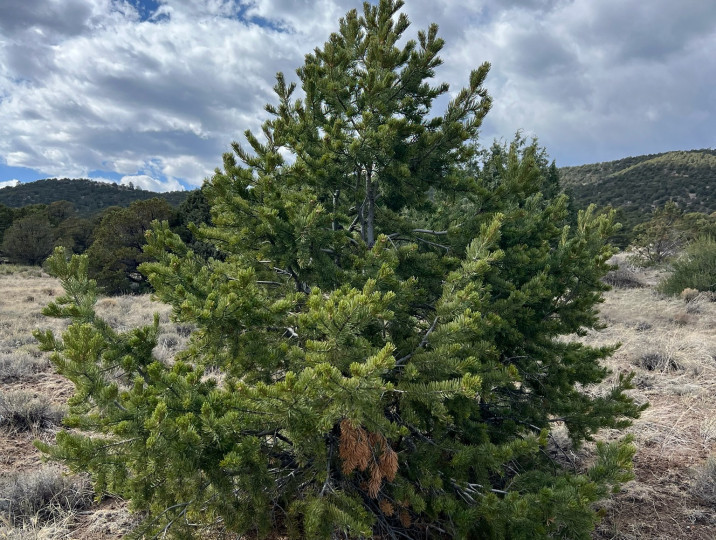
Pinus flexilis
Limber pine
VAT will be added at checkout if applicable