United States58.2 Quality Score
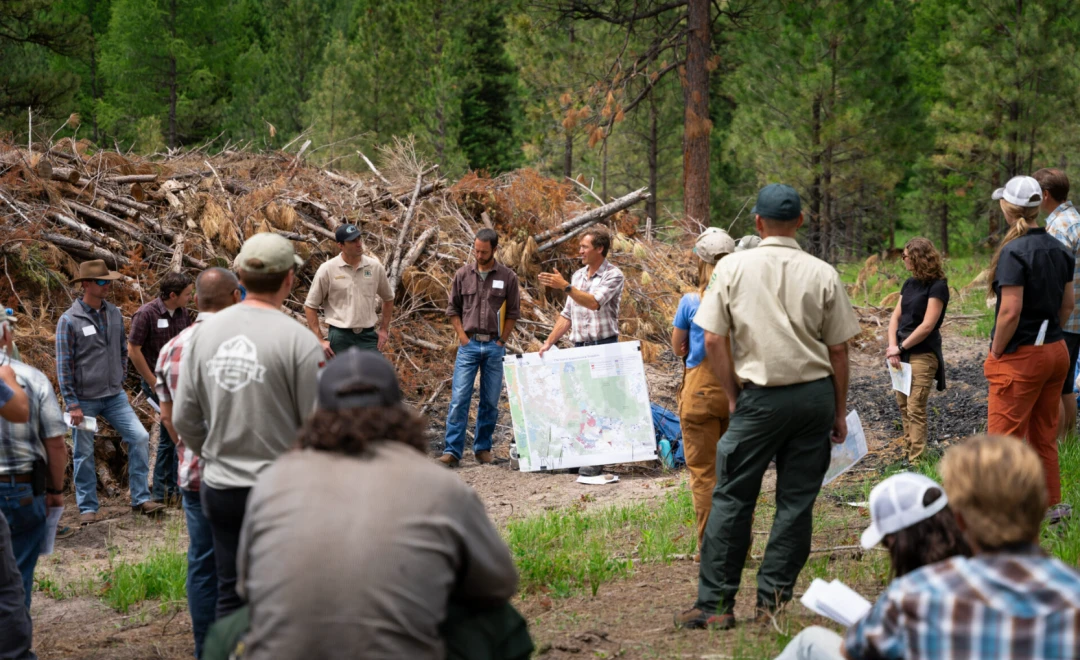
Our project aims to support the recovery of the Nation's 155 Forests and 20 Grasslands, managed by the USDA Forest Service, by addressing the impacts of wildfires and spruce budworm infestations. With tree mortality reaching 60-80% in some areas, we work to re-establish seed sources for future regeneration and enhance the forests' resilience to future infestations. This effort ensures the long-term health, diversity, and productivity of these 193
Education plays a crucial role in ecotourism. Visitor centers and guided tours provide valuable information about the park's biodiversity, the importance of its conservation, and how each individual can contribute to protecting these precious natural resources.
Community involvement and environmental education are fundamental to the success of conservation programs. By engaging and educating the local population and visitors about the importance of forests, greater respect and commitment to their protection are fostered.
Many national parks offer volunteer and education programs that allow visitors to actively participate in conservation. These opportunities range from reforestation and trail cleaning to citizen science programs, where visitors can help in collecting data on flora and fauna.
Trees, rivers, animals, and even us – we all depend on each other. Keeping nature in balance is like making sure that puzzle stays together. Simple actions, like planting trees, recycling, and using less water, are ways we can help. By learning about and caring for our environment,
See moreThe sight of a moose in one of our Minnesota national parks carries a significant message: the local wildlife is flourishing, and our forest conservation endeavors are paying off. Our efforts are creating an environment where moose and other native animals can thrive in their natural
See moreWhen visiting natural habitats, it's crucial for visitors to exercise discipline in their actions. This includes staying on designated trails, disposing of waste responsibly, and refraining from disturbing wildlife. By following these guidelines, visitors contribute to the preservation
See moreWaterfalls, play a crucial role in our national forests, symbolizing the harmony between water resources and forest health. They are not only a source of awe-inspiring beauty but also act as vital arteries that support diverse ecosystems. As water cascades down, it contributes to
See moreMt. Hood's majestic presence is a testament to the enduring value of forest conservation. Protecting areas like this is key to sustaining biodiversity, safeguarding water supplies, and combating climate change. It's essential that we maintain the health of such vital ecosystems for
See moreNational Forests can be just as spectacular as National Parks, but without the crowds. While taking care of our forests diligently, ecotourism can also be part of the day to day activities
Our dedicated experts and local staff are out in the field, tirelessly working to recover and restore the most vulnerable areas of our forests.
Majestic Mt. Hood National Park, a serene expanse where pristine waters mirror the sky, serves as a vital sanctuary. Protecting this splendor is essential for nature and our well-being.
Volunteers and local community members get hands-on in our tree-planting efforts, bringing vitality to our forests with every seedling.
Did you know that over five square miles of glaciers cloak the summit of Mt. Hood in Oregon? These icy formations are believed to hold an impressive 300 million cubic meters of snow and ice.
#Forests
Protecting National Forests safeguards the diverse habitats of the local fauna, like this Moose, North America's largest deer species. From swimming miles to running 35 mph, these herbivores navigate various terrains across the continent. Conserving forests ensures they, and we,
See moreAn award-winning snapshot of an Oregon waterfall, showcasing the stunning beauty nestled within our National Parks. A reminder of the vital need to preserve these natural wonders.
#NaturalHabitat