Tanzânia78.8 Pontuação de Qualidade
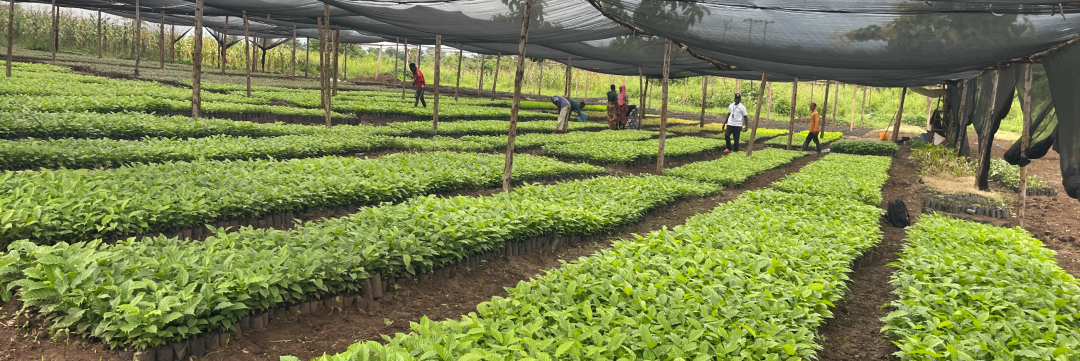
Our project helps rural communities adopt agroforestry to combat poverty and the effects of climate change. This approach secures food and income while restoring and protecting forests through tree planting. With experience planting over 1,230,000 trees in different districts, we bring proven expertise to these initiatives.
Why We Must Keep Planting Trees — #1
Rising Atmospheric CO₂ is changing our climate. But we can be part of the solution.
We believe every tree planted is an investment in a healthier planet and stronger communities. Through our Plant to Stop Poverty initiative, we are restoring
It may look like nothing is wrong but look closer.
Some of our planted trees are being covered by weeds and need care to keep growing strong.
Because restoration doesn’t end with planting.
It takes monitoring, maintenance, patience, and commitment to give every tree a real chance
When we talk about restoring nature, it can be tempting to think that the answer is simple: find an open space and plant as many trees as possible....
Ler artigoThis is why we plant.
Not just to grow forests, but to restore beautiful landscapes, create peaceful green spaces, and inspire a deeper connection with nature.
Every healthy tree tells a story of commitment, care, and restoration.
Through plant to stop poverty initiative, monitoring is a vital part of achieving successful restoration.
Although maintaining and cleaning planted trees requires significant effort and resources, we remain
A towering tree naturally draws our eyes upward. We admire its broad canopy, sturdy trunk, and the shade it provides on a hot day. Yet the greatest...
Ler artigoWorld Nature Conservation Day
Nature is our greatest investment. Every tree we plant, every ecosystem we restore, and every community we support brings us closer to a healthier and more sustainable future.
At Plant to Stop Poverty, we continue working to restore landscapes, protect
When we talk about sustainability, the next generation must be part of the conversation. The students of today are the ones who will shape how we care for our environment tomorrow.
Through hands-on experiences like tree planting, they learn that protecting nature is not just a
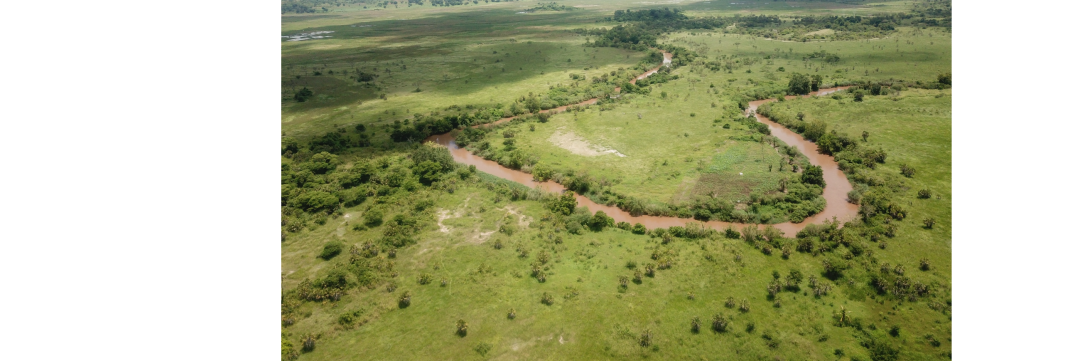
The Pangani River is proof that restoration creates lasting impact. Approximately 500 km of riverbank have been restored, helping protect one of Tanzania’s most important watersheds.
More than 2,000 villagers have adopted agroforestry, replacing unsustainable practices with solutions
When we think about protecting water, our attention often goes straight to rivers, lakes, and springs. Yet healthy water sources do not begin in th...
Ler artigoTree planting is often seen as a simple
action, but it’s more than what happens at
the planting moment.
There’s a whole process behind it that takes
time, care, and working with people to make
sure the trees actually survive and make a
difference
You cannot protect what you don’t understand 🌿
That is why we bring young minds closer to nature not just to see it, but to understand it.
Today, students visited the field to experience environmental conservation in real life: from restoration work, agroforestry practices, to
Every tree we plant needs care to survive and thrive. 🌱
Tree maintenance is an important part of restoration. By caring for young trees, local community members earn income while contributing to the growth of forests that will benefit their communities for years to come.
The trees
In reforestation projects, planting trees is often seen as the main milestone. However, planting is only the beginning. The first year after planti...
Ler artigoMonitoring the growth of our trees is at the heart of every restoration effort. One of the key tree care methods we consistently use in the field is weeding the careful removal of grasses and unwanted plants around young trees.
This simple but powerful practice reduces competition